Why Kids Love Bedtime Stories (And What That Tells You)
Dreamtime
8 May 2026
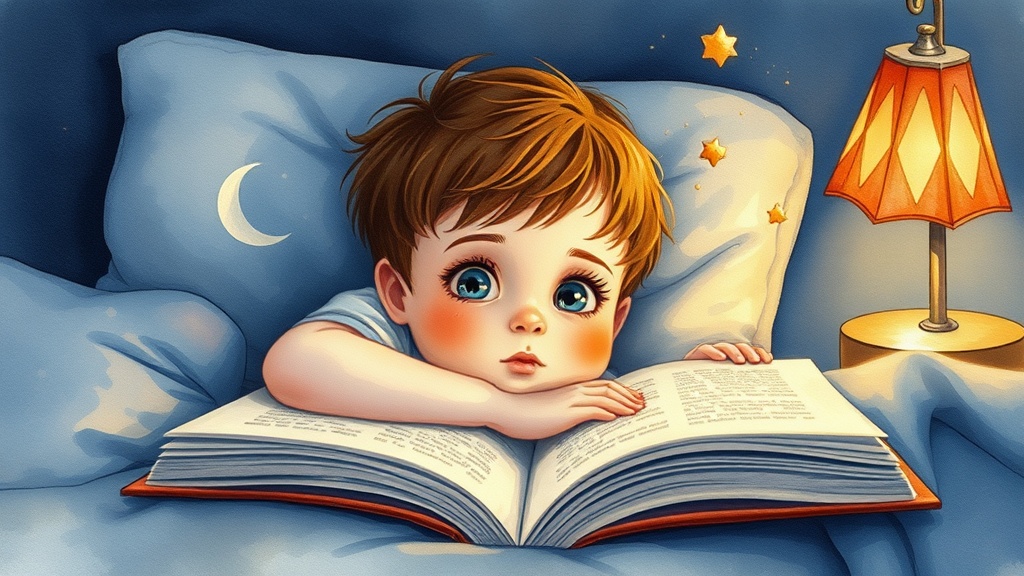
If your child begs for just one more story every night, there's a very good reason — and it goes deeper than stalling for sleep. Understanding why kids love bedtime stories can completely change how you think about this small daily ritual.
If your child's eyes light up the moment you reach for a book, or they've perfected the art of the "just one more" plea, you're not alone. Most parents know that bedtime stories matter — but the real reasons why kids love bedtime stories run much deeper than you might expect. It's not just about winding down before sleep. It's about connection, safety, identity, and the way young minds make sense of the world. Understanding what's really going on can help you lean into storytime in a more meaningful way — and stop feeling guilty on the nights when you're running low on energy.
Why Kids Love Bedtime Stories: The Science Behind the Magic
At its core, children's love of bedtime stories is rooted in the brain's need for narrative. Humans are wired for stories — we process information through them, remember things better because of them, and use them to understand cause and effect. For young children, whose brains are developing at an extraordinary pace, stories are a primary tool for making sense of a complex world.
Research in developmental psychology consistently shows that shared reading activates far more of a child's brain than passive screen time. When a child listens to a story, they're not just hearing words — they're visualising scenes, anticipating what comes next, feeling emotions alongside characters, and building what psychologists call a "theory of mind": the ability to understand that other people have thoughts and feelings different from their own.
In short, bedtime stories are a workout for the developing brain, wrapped up in something that feels like pure pleasure.
It's About Safety as Much as Stories
Here's something worth sitting with: for many children, the story itself is almost secondary to the ritual around it. The familiar pattern of pyjamas, a warm bed, a trusted adult nearby, and a story beginning with "once upon a time" sends a powerful message to a child's nervous system — you are safe, the day is done, all is well.
Young children live with a surprising amount of uncertainty. They navigate new social situations, process big emotions they don't yet have words for, and encounter a world that often feels unpredictable. Bedtime, with its consistent routine and guaranteed story, is one of the most reliable anchors in their day.
This is also why so many children ask for the same story over and over again. Repetition isn't boredom — it's comfort. When a child already knows the ending, they can relax into the journey. The predictable story mirrors the predictable routine, and both together tell their brain: relax, this is safe.
The Emotional Processing Children Do Through Stories
One of the less obvious reasons kids are drawn to bedtime stories is that stories give them a safe distance from which to process difficult feelings. A child who's been struggling with a new sibling, starting nursery, or falling out with a friend doesn't always have the language to say "I'm feeling anxious and a bit left out." But they can feel those emotions vicariously through a character — and watch how that character navigates them.
This is why children's literature so often features themes of belonging, bravery, loss, and friendship. These aren't just nice plot points — they're mirrors. When a child watches a storybook character feel scared but keep going anyway, something clicks. I can do that too.
As a parent, you can gently amplify this by pausing during a story and asking: "How do you think she's feeling right now?" or "What would you do if you were him?" These small moments of reflection, done lightly and without pressure, help children build emotional vocabulary and resilience.
Why Personalisation Makes Stories Even More Powerful
If you've ever made up a story where your child is the main character, you'll have noticed their reaction: total, riveted attention. Their eyes go wide. They might giggle, or quietly lean in closer. This is no coincidence.
When children see themselves reflected in a story — their name, their interests, their world — it activates a deeper level of engagement. They're not just watching events unfold for someone else; they're imagining themselves navigating the adventure. This kind of personalised storytelling also reinforces a child's sense of identity and self-worth. I am someone stories get written about. My life, my interests, my name — they matter.
This is one of the reasons apps like Dreamtime have resonated so much with parents. Rather than reading the same picture books on rotation, Dreamtime generates a brand-new personalised bedtime story every night — tailored to your child's name, age, and interests, complete with narration and watercolour illustrations. For children who are particularly captivated by hearing their own name in a story, or whose interests shift rapidly (dinosaurs this week, pirates the next), this kind of storytelling can make the bedtime ritual feel genuinely magical again.
How to Make the Most of Bedtime Storytime
Knowing why kids love bedtime stories gives you practical tools to make storytime work harder for both of you. A few things worth trying:
Follow their lead on topics. The subject matter your child keeps returning to — animals, space, superheroes, fairies — isn't random. It's telling you something about what they're curious about, or what they're working through. Lean into those themes.
Don't rush the ending. When time allows, let a story breathe. Pause at a tense moment. Wonder out loud what might happen next. This builds comprehension and makes the story feel like an event rather than a checkbox.
Let them be part of the story. Even with a picture book, you can weave your child in: "And then, just like you would, Rosie decided to be brave." These small additions cost nothing and mean everything.
Lower the bar on tired nights. A short, simple story told from memory is infinitely more valuable than no story at all. The ritual matters more than the performance. Your child wants you, not a perfect narrative.
Talk about the story afterwards. Even a single question — "What was your favourite bit?" — extends the benefits. It signals that the story mattered and that their thoughts about it matter too.
The Bigger Picture
Bedtime stories are one of those everyday rituals that can feel mundane in the middle of a long week, especially when you're tired and your child is stalling and you've read The Gruffalo forty-seven times. But zoom out and the picture looks quite different. Night after night, you're building a child who feels safe, loved, and capable of understanding the world around them. You're growing their language, their empathy, their imagination, and their sense of self.
The reason kids love bedtime stories so fiercely is because, on some level, they know all of this — even if they can't say it. They're not just asking for a story. They're asking for connection, and for the quiet reassurance that tomorrow will be okay.
That's worth showing up for, even on the tired nights.
Give your child a new story every night
Dreamtime creates personalised bedtime stories with beautiful illustrations, tailored to your child, every single night.
Start your free trial →