The Power of Storytelling for Child Development: What Happens in Your Child's Brain at Story Time
Dreamtime
2 April 2026
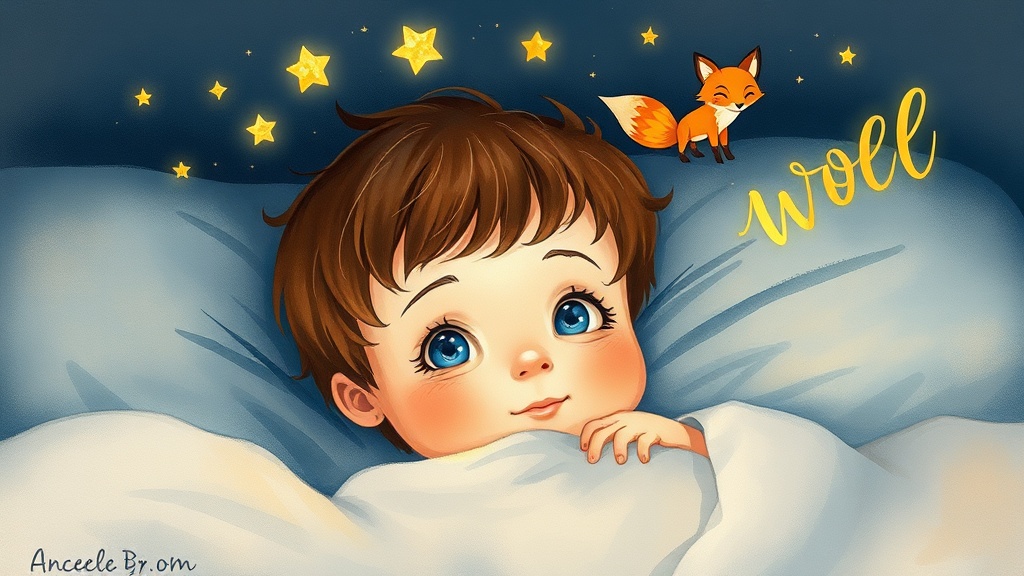
Bedtime stories are so much more than a sweet ritual — they're quietly doing extraordinary things for your child's developing brain. From building vocabulary to strengthening emotional intelligence, here's the science behind why story time matters more than you might think.
Every parent who has ever sat on the edge of a small bed, book in hand, has felt it — that particular kind of quiet magic that settles over a child the moment a story begins. But what if that magic is doing something far more profound than simply helping your little one drift off to sleep? Research in child development, neuroscience, and early education consistently points to the same conclusion: story time is one of the most powerful tools in a parent's arsenal, and its effects ripple outward into almost every area of a child's life.
What's Actually Happening in Your Child's Brain
When your child listens to a story, their brain doesn't just passively receive information — it lights up. Neuroscientists call this phenomenon neural coupling, where the listener's brain activity begins to mirror that of the storyteller. Regions associated with sensory processing, movement, and emotion all activate, even though your child is simply lying still listening to words.
For young children aged 2–5, whose brains are developing at a staggering pace, this kind of rich, multi-sensory mental engagement helps form and strengthen neural pathways. The more varied and vivid the stories they're exposed to, the more connections their brains are busy building. Think of each bedtime story as a tiny but meaningful workout for a developing mind.
For older children (ages 6–10), the brain begins engaging more deeply with narrative structure — cause and effect, character motivation, plot — which lays vital groundwork for critical thinking and reading comprehension later in school.
The Language Explosion You Might Not Be Noticing
One of the most well-documented benefits of regular story time is vocabulary growth. Studies show that children who are read to frequently are exposed to a far wider range of words than those who aren't — and crucially, the kinds of words found in stories are often different from everyday spoken language. Words like shimmered, reluctant, enormous, and whispered turn up in books far more often than they come up in daily conversation.
For toddlers and preschoolers, this exposure happens at the exact moment their language centres are most receptive. Research from the University of Michigan found that children who were read to regularly heard approximately 1.4 million more words by the time they started school than children who weren't. That's an extraordinary head start.
You can amplify this benefit at home by pausing during stories to explain unfamiliar words in simple terms, or asking your child what they think a word means based on what's happening in the story. There's no need to turn it into a lesson — curiosity-led conversations during story time are enough.
How Stories Build Emotional Intelligence
One of the quieter, less celebrated gifts of bedtime stories is the way they help children understand and manage emotions — both their own and other people's.
When a child follows a character through fear, disappointment, jealousy, or joy, they're practising empathy in a safe, low-stakes environment. They learn that feelings have names, that those feelings make sense given what a character is going through, and that difficult emotions can be navigated. For young children who often struggle to articulate how they feel, stories provide both the vocabulary and the framework.
This is particularly powerful when stories feature characters who look like your child, share their name, or face situations that mirror their own experiences — starting a new school, feeling left out, being afraid of the dark. Personalised stories can be especially effective here, helping children feel seen and giving them a narrative template for processing their own emotions. Apps like Dreamtime create stories tailored specifically to your child's name, age, and interests, which can make that emotional resonance even stronger.
A simple way to harness this at home: after a story, ask open-ended questions. "How do you think Lily felt when that happened?" or "What would you have done?" Even brief conversations like these build the reflective thinking that underpins emotional intelligence.
The Unexpected Connection to Sleep Quality
Parents instinctively reach for a book at bedtime, and it turns out that instinct is well-founded. A consistent story time ritual signals to a child's nervous system that the day is winding down. The predictability of the routine — wash hands, brush teeth, story, sleep — helps regulate the cortisol (stress hormone) levels that can make it harder for children to settle.
Beyond routine, stories also give busy little minds something constructive to focus on, which can ease the restlessness that often shows up at bedtime. Rather than lying in the dark with a brain still spinning through the day's events, a child engaged in a story has a gentle, absorbing destination for their thoughts.
The content of the story matters here, too. Calm, imaginative narratives — rather than fast-paced, high-stakes plots — are best suited to the pre-sleep window. Stories set in peaceful worlds, featuring characters on gentle adventures, help guide the nervous system toward rest. Keep screens away from this ritual where possible; a narrated audio story or a read-aloud keeps the wind-down benefits intact without the stimulating effects of screen light.
Making the Most of Story Time: Practical Tips for Every Age
Knowing the benefits is one thing — putting them into practice across different ages and attention spans is another. Here's what works:
Ages 2–3: Keep stories short and highly visual. Repetition is your friend — repeated phrases help toddlers anticipate what comes next, which builds both language and a satisfying sense of mastery. Use exaggerated voices and plenty of expression.
Ages 4–5: Children this age love feeling clever. Choose stories with a problem to solve and pause before the resolution: "What do you think happens next?" Their predictions don't need to be right — the thinking is the point.
Ages 6–8: Longer stories with chapters work well here. This is a brilliant age for stories that explore friendship, fairness, and belonging. Let your child hold the book and follow along, even if they're not reading yet.
Ages 9–10: As children become readers themselves, taking turns reading aloud keeps story time collaborative rather than something that feels childish. Audiobooks are also wonderful for this age — a shared listening experience can feel genuinely special.
For all ages, consistency beats length. A ten-minute story every night is worth far more than an occasional hour-long session.
A Final Thought for Tired Parents
If you've ever wondered whether story time is worth the effort on the nights when you're exhausted and the day has been long — it is. Not because you need to be a perfect storyteller, or because every story needs to be a masterpiece, but because the simple act of sitting together, sharing a narrative, is doing something quietly remarkable for your child.
You don't have to do it alone, either. On the nights when the energy just isn't there, a beautifully told, personalised story can carry the magic just as well. What matters most is that the ritual exists — warm, reliable, and theirs.
The science is clear: story time shapes the minds and hearts of children in ways that last long after the lights go out. And that, perhaps, is the most wonderful bedtime story of all.
Give your child a new story every night
Dreamtime creates personalised bedtime stories with beautiful illustrations, tailored to your child, every single night.
Start your free trial →