Sleep After Jabs and Doctor's Visits: How to Settle Your Child at Bedtime After Vaccinations or Medical Appointments
Dreamtime
16 November 2026
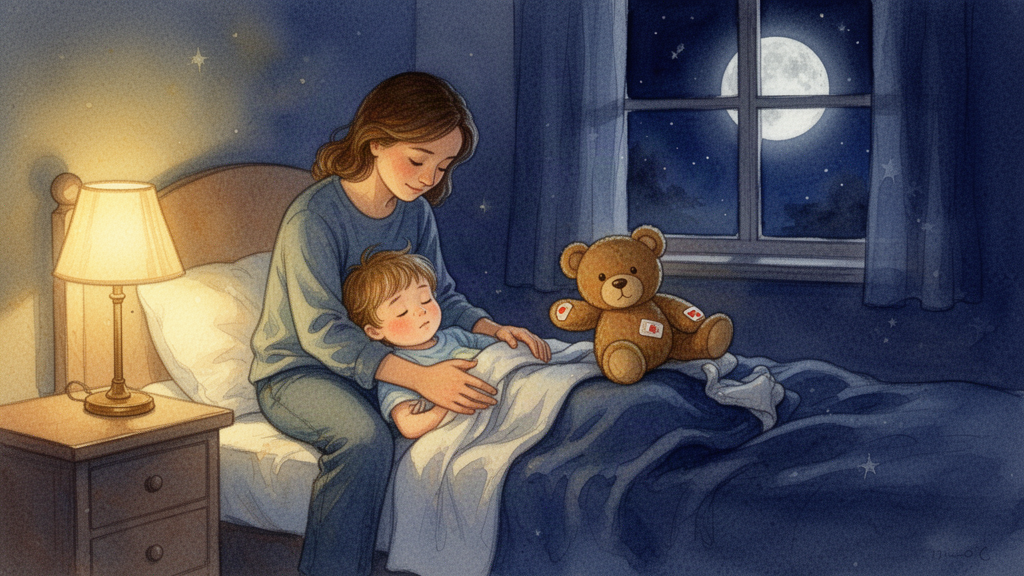
A jab, a check-up or a trip to the hospital can leave children sore, unsettled and wary at bedtime. Here is how to comfort them, ease the aches and rebuild a sense of safety so everyone gets a better night.
You expected the appointment to be the hard part. The nurse was kind, the sticker was chosen, and the tears were over within minutes. Then bedtime arrives and your child is grizzly, clingy and sore, or suddenly wide awake and anxious about what happened that afternoon. If your little one struggles to settle after vaccinations, a check-up, a blood test or a trip to the dentist, you are far from alone. Medical visits can leave a mark on the evening, even when they went smoothly. The good news is that a few gentle adjustments can make that night much easier for both of you.
Why Medical Visits Disrupt Sleep
Children are often unsettled after an appointment for a mix of physical and emotional reasons.
Physical discomfort. After vaccinations, many children have a sore arm or leg, a mild temperature, or general achiness. Lying still in bed can make soreness feel more noticeable, because there are fewer distractions at night.
Feeling off. Some children are sleepier than usual, while others are irritable and restless. Both are common in the day or so after a jab.
Emotional echoes. Young children do not always have the words for what they felt. A needle, an unfamiliar room or a moment of being held still can come back as worry at bedtime, when the house is quiet and their mind starts replaying the day.
Understanding which of these is at play helps you respond to what your child actually needs.
Easing the Physical Side
Start with comfort, because a child in discomfort will struggle to relax no matter how lovely the routine.
- Follow the advice you were given. Your nurse, GP or pharmacist can tell you whether a children's pain relief or fever medicine is appropriate for your child's age and weight, and exactly how to dose it. Do not guess, and always check the leaflet or ask a professional.
- Keep the room comfortably cool. A slightly warm child sleeps better in a calm, airy room with light bedding rather than heavy layers.
- Offer a cool cloth or a cuddle. A gentle cool flannel on a sore spot, or simply letting your child choose which way to lie, can help. Avoid pressing on the injection site.
- Encourage a drink. Sips of water through the evening help, especially if your child has a temperature.
- Know when to seek advice. A mild temperature and a sore limb are normal for a day or two. If your child has a high fever, is very drowsy or hard to wake, has a rash, cries inconsolably or you simply feel worried, contact your GP, NHS 111 or the clinic. Trust your instincts.
Calming the Worries
Once the body is comfortable, turn your attention to the feelings. You do not need a big talk. In fact, low-key is better.
Let them lead. Say something simple like, "That was a busy day at the doctor's. Is there anything you're thinking about?" If they shrug, leave it. Some children process through play or stories rather than conversation.
Name the feeling, not the fear. "It's okay to feel a bit wobbly after that" validates without amplifying. Avoid promises like "it didn't hurt," which can break trust if it did.
Praise the bravery that actually happened. Rather than "you were so brave, no crying," try "you sat so still even though it felt strange, and you got through it." This tells children that being nervous and brave can go together.
Replay it gently through pretend play. Many toddlers and preschoolers love giving a teddy a check-up in the daytime. If it comes up at bedtime, a quick "Teddy had his jab too, and now he's snug in bed" can be reassuring.
Keeping the Routine Steady (With a Little Extra Softness)
A familiar routine is your best tool, because predictability tells a worried child that the world is safe again. Keep the same order of bath, pyjamas, teeth, story and lights out, but soften the edges.
- Start slightly earlier if your child is tired or sore, so nothing feels rushed.
- Add a little extra closeness, such as a longer cuddle, a back rub or sitting with them for a few minutes. One night of extra comfort will not create a bad habit.
- Dim the lights and lower the volume early, since sore, tired children are often more sensitive to noise and brightness.
- Choose calm, cosy activities over anything stimulating. Skip the rough-and-tumble and the screens.
- Expect a slightly unsettled night and stay flexible. If they wake needing a cuddle or a sip of water, respond kindly and quietly, then return to normal the next day.
Using Stories to Soften the Day
Stories are a wonderful way to help a child feel safe after something that felt big. A tale about a character who feels nervous, takes a deep breath and discovers they are stronger than they thought can quietly reinforce the message you want them to hear, without you having to spell it out.
If you would like something tailored to the moment, a personalised story app like Dreamtime can create a brand-new bedtime story featuring your child by name, with their age and interests woven in. You might ask for a gentle adventure about a brave little explorer who has a tricky day and finishes it tucked up warm and proud. Seeing themselves as the hero of a calm, happy ending can be a lovely way to close a slightly wobbly day. Of course, a favourite book from the shelf works beautifully too. What matters is the cosy, predictable ritual.
Looking Ahead to the Next Appointment
How you talk about the next visit shapes how your child feels about it. A few habits help:
- Be honest and matter-of-fact. Tell them in the days before, using simple words, what will happen.
- Avoid threats. Never use the doctor or nurse as a warning for bad behaviour.
- Plan a small, calm treat afterwards, like a walk to the park or a favourite lunch, so the day ends on a good note.
- Talk through what helped last time, such as holding your hand, looking away or blowing out pretend candles.
Be Kind to Yourself, Too
It is hard to watch your child be uncomfortable, and harder still when you are tired yourself. Remember that a rocky night after a medical appointment is temporary. Within a day or two, most children bounce back to their usual sleepy selves. Keep the comfort high, the routine gentle and your expectations flexible, and you will both be back to peaceful bedtimes before long.
If you are ever worried about your child's symptoms after a vaccination or medical procedure, always speak to a healthcare professional.
Give your child a new story every night
Dreamtime creates personalised bedtime stories with beautiful illustrations, tailored to your child, every single night.
Start your free trial →