How to Help Your Child Make the Move from Picture Books to Chapter Books (Without Losing the Magic of Storytime)
Dreamtime
3 August 2026
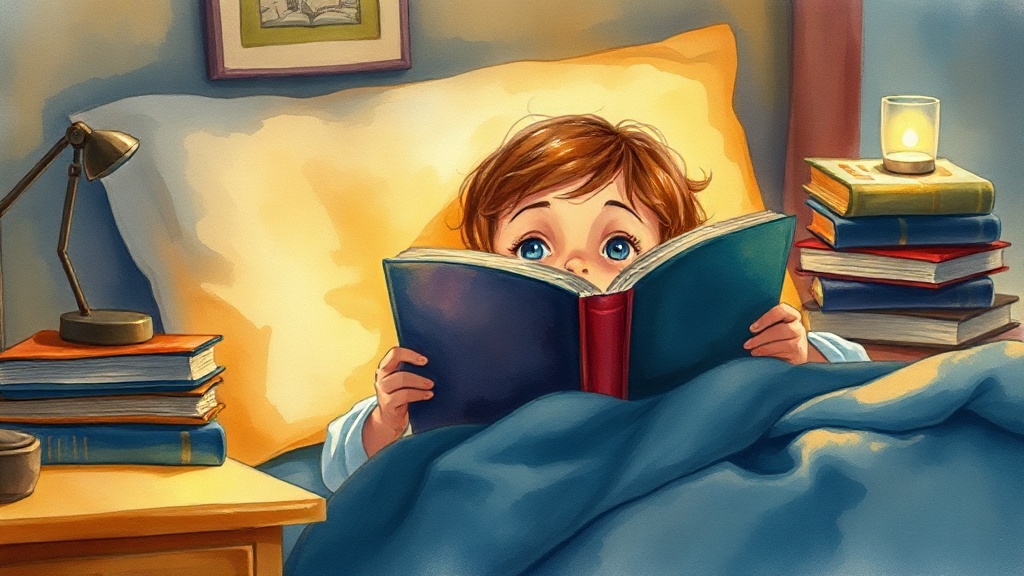
Moving from picture books to chapter books is a big milestone — but for many children, it can feel daunting rather than exciting. Here's how to make the transition feel like an adventure, not a loss.
There's a moment many parents recognise: your child has outgrown the picture books they once adored, but the idea of a chapter book — all those pages, all those words, no pictures to anchor them — feels like a lot. Maybe they've pushed one away at bedtime. Maybe you've quietly wondered whether you're doing it right. The move from picture books to chapter books is one of the most significant reading transitions in a young child's life, and while it's worth celebrating, it doesn't always feel seamless. The good news? With a little patience and the right approach, you can help your child cross this bridge without losing any of the warmth and wonder that made storytime special in the first place.
Why the Transition Can Feel Harder Than Expected
Picture books are a complete sensory experience. The illustrations do enormous emotional heavy lifting — they show your child how a character is feeling, where the story is set, and what the pacing should be. When that scaffolding disappears, young readers are suddenly asked to build the entire world inside their heads from words alone. That's a genuinely impressive cognitive leap.
For children aged roughly 5–8 (though every child is different), the shift typically happens somewhere between Reception and Year 3. But readiness isn't just about decoding words on a page. A child can be a confident reader and still find chapter books emotionally unsatisfying at first — simply because the payoff takes longer to arrive. Picture books deliver a beginning, middle, and end in ten minutes. A chapter book asks a child to hold a thread across days or even weeks. That requires a kind of narrative patience that develops gradually.
Understanding this helps enormously. Your child isn't being difficult or behind — they're building a new skill.
Start With the Bridge Books
Not all chapter books are created equal, and you don't have to leap straight from The Gruffalo to Charlie and the Chocolate Factory. There's a wonderful middle ground of "bridge books" — early chapter books that keep chapters short, include some illustrations, and don't demand too much stamina.
Some reliable favourites in this category include:
- The Owl Who Was Afraid of the Dark by Jill Tomlinson — gentle, episodic, and deeply reassuring
- Mr Gum by Andy Stanton — chaotic and funny, perfect for children who loved silly picture books
- The Magic Faraway Tree by Enid Blyton — imaginative and chapter-sized in its episodes
- Kes Gray's Daisy series — still illustration-rich, but structured around chapters
- Isadora Moon by Harriet Muncaster — half fairy, half vampire, and genuinely irresistible for 5–7 year olds
The key is finding books that match your child's interests, not just their reading level. A child obsessed with dinosaurs who struggles through a book about a Victorian orphan isn't going to make the mental leap — but hand them a chapter book about a kid who discovers living dinosaurs in their back garden, and watch what happens.
Keep Reading Aloud — Even After They Can Read Alone
One of the most common mistakes parents make at this stage is stepping back from reading aloud because their child is now "old enough to read themselves." Please don't. Reading aloud to your child is one of the most powerful things you can do for their development, and it becomes more valuable during the chapter book transition, not less.
When you read aloud, you give your child access to stories that are more complex than they could manage independently. Your voice carries emotion, timing, and character in ways that a child reading silently simply can't replicate yet. You model what engaged, expressive reading sounds like. And crucially, you keep the bedtime story ritual alive — the sense of closeness and calm that children rely on as a cue that the day is ending and sleep is coming.
If your child can now read some books independently, wonderful — let them. But keep a separate "read-aloud book" for bedtime that you work through together. The two don't have to compete.
Use Curiosity to Carry Them Through
One of the most effective tools for helping children engage with longer stories is the cliffhanger. Chapter books are built around them — it's part of what makes them so compelling once a child gets the hang of it. Lean into this deliberately.
Stop reading mid-chapter sometimes, right at a tense moment, and say something like: "Oh, I wonder what's going to happen to him now. What do you think?" You're not just teasing them (though that works too) — you're actively building their ability to hold a narrative in mind and speculate about it. That speculation is the foundation of literary thinking, and it happens naturally in conversation over a chapter book, night after night.
Ask open questions: What kind of person do you think she is? Do you think he made the right choice? What would you have done? These conversations don't need to be long. Even two or three minutes of wondering together at lights-out does something quietly powerful for your child's comprehension and emotional intelligence.
What to Do When Your Child Wants to Go Back to Picture Books
Sometimes, despite your best efforts, your child will ask for a picture book. Maybe they're tired, maybe the chapter book isn't clicking, or maybe they just miss the cosiness of something shorter and more contained. Let them.
Returning to picture books occasionally isn't regression — it's self-regulation. Children know what they need, and a familiar picture book at the end of a hard day is genuinely comforting. The goal isn't to remove picture books from their life entirely; it's to open a new door, not close an old one.
That said, if your child consistently resists chapter books over several weeks, it's worth trying a completely different book rather than pushing harder. Interest is everything at this age. If you're struggling to find something that sparks them, apps like Dreamtime — which creates personalised bedtime stories tailored to your child's specific interests, age, and imagination — can be a wonderful way to keep the love of narrative alive while you search for the right chapter book to click.
A Note on Timelines (And Letting Go of Them)
Some children make this transition at five. Some aren't ready until eight or nine, and that's completely fine. Reading development is not a race, and the children who are pushed into chapter books before they're ready often develop negative associations with reading that take years to undo. The children who are gently encouraged, met with enthusiasm rather than pressure, and given books that genuinely excite them? They tend to become the readers who stay up past their bedtime with a torch under the duvet.
That's the dream — and it starts at bedtime, one story at a time.
The move from picture books to chapter books is a milestone worth marking, but it doesn't have to be a hurdle. Stay warm, stay curious, keep reading together, and trust that your child will get there in their own time. The magic of storytime doesn't live in the format — it lives in the ritual, the closeness, and the worlds you explore together. That never has to change.
Give your child a new story every night
Dreamtime creates personalised bedtime stories with beautiful illustrations, tailored to your child, every single night.
Start your free trial →