Overtired and Wired: Why Your Child Gets a Second Wind at Bedtime (and How to Calm It)
Dreamtime
4 November 2026
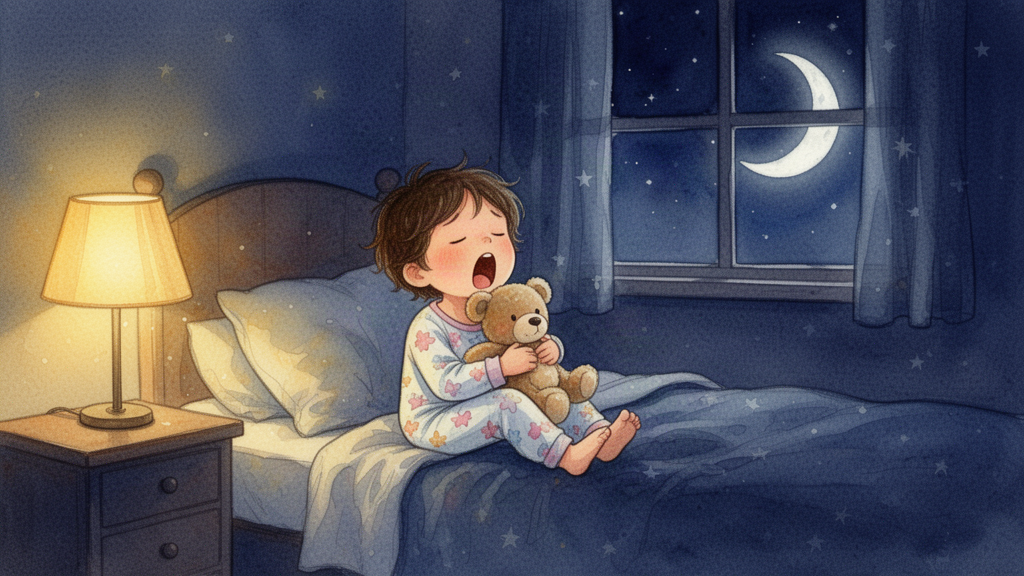
It's long past bedtime, your child is exhausted, and yet they are bouncing off the walls. This is the overtired second wind, and it catches almost every parent out. Here's why it happens, how to spot it early, and how to bring your child back down to calm.
You've had a long day, your child has had a longer one, and bedtime has come and gone. By rights they should be fast asleep. Instead, they are racing round the living room, giggling at nothing, and then suddenly sobbing because their sock feels funny. If this sounds familiar, you've met the overtired second wind: the baffling moment when a child who desperately needs sleep seems to become more awake, not less.
The good news is that it's incredibly common, completely explainable, and very fixable. Here's what's going on and what you can do about it.
Why Tired Children Get Wired
It seems backwards, but it's biology. When a child stays up past their natural sleep window, their body reads the situation as a problem to solve. To keep going, it releases stress hormones such as cortisol and adrenaline. These are the same chemicals that help us stay alert in a stressful situation, and they make it much harder to wind down.
The result is a child who looks energised but is actually running on empty. Their emotions are close to the surface, their patience is thin, and their ability to settle themselves has all but vanished. Younger children, especially toddlers and preschoolers, are particularly prone to this because their sleep systems are still maturing and their windows for easy sleep are narrow.
Once that stress response kicks in, falling asleep takes longer, sleep tends to be lighter and more broken, and early waking is more likely. That's why an overtired child so often has a rough night and a rough morning, which can quietly set off a cycle of ever-later, ever-harder bedtimes.
Spotting the Signs Before the Second Wind Hits
The best cure is catching tiredness while it's still ordinary tiredness. Learn your child's early cues, which tend to appear 15 to 30 minutes before the window closes:
- Rubbing eyes or ears
- Yawning, especially repeated yawns
- Going quiet or staring into the middle distance
- Clinginess or sudden whininess
- Losing interest in a favourite toy or activity
- Clumsiness or frustration with tasks they usually manage
The late signs, the ones that mean you may have missed the window, look more like hyperactivity: silliness, running about, a manic edge to their play, or sudden meltdowns over small things. If you see these, don't read them as "not tired". Read them as "very tired indeed".
A useful trick is to keep a simple note for a week or two of when your child shows their first yawn or grumble. You'll often find a surprisingly consistent pattern, which tells you the real best time to start bedtime.
How to Calm an Overtired Child Right Now
If you're already in the thick of it, the aim is to lower the temperature, not to force sleep. Try this:
- Keep your own energy low and slow. Children borrow our nervous systems. A quiet voice, slow movements and a calm face do more than any instruction.
- Dim the lights and cut the noise. Turn off the television, switch to lamps, and move to the bedroom or another quiet space.
- Skip the extras. This is not the night for a full bath, a long chat about the day or negotiating over the last bit of homework. Do the essentials: pyjamas, teeth, toilet.
- Offer physical comfort. A cuddle, back rub or slow, deep breaths together can help the body shift out of alert mode. Try "smelling the flower, blowing out the candle" with younger children.
- Lean on a gentle story. A familiar, soothing story gives a buzzing mind something soft to hold onto. Choose a slow, repetitive tale with a calm ending, and read it in a steadily quieter voice.
- Stay patient with the protest. Tears at this stage are usually exhaustion, not defiance. Keep the boundaries kind and consistent, and avoid adding new demands.
Don't worry if it takes longer than usual to settle. Staying calm and predictable now teaches your child that bedtime is safe even on a hard night.
Preventing the Second Wind Tomorrow
Once you've got through tonight, a few small adjustments can make the next evening much smoother.
Move bedtime earlier, not later. It feels counterintuitive, but an earlier bedtime, even by 15 to 20 minutes, often leads to faster settling and better sleep. Many parents find that a slightly early bedtime is the single most effective fix.
Protect the wind-down. A predictable sequence of calm steps, such as bath, pyjamas, teeth, story, cuddle, signals to your child's body that sleep is coming. Aim for about 30 minutes of low-key time before lights out, with screens off for at least the last part.
Watch the day, not just the evening. Skipped naps, a very busy day out, or a late finish to the previous night all add up to a sleep debt that shows at bedtime. After an exciting day, plan a quieter, earlier evening.
Keep wake-up times steady. A consistent morning rhythm helps anchor the body clock so tiredness arrives at a predictable time each evening.
Dreamtime can help with the wind-down step. Each night it creates a brand-new bedtime story tailored to your child's name, age and interests, with gentle narration and soft watercolour illustrations. On nights when your child is running on fumes, a calm, personalised story can be the signal that it's finally time to slow down, without you having to dig around for something suitable at 8:45pm.
Be Kind to Yourself (and to Them)
Every parent misjudges bedtime now and then. A busy afternoon, a late car journey or a school event can tip a perfectly well-rested child into overtired chaos, and it doesn't mean you've done anything wrong. What matters is the pattern over days and weeks, not one wobbly evening.
Notice the early signs, bring bedtime forward when you can, keep the wind-down calm and predictable, and meet the wired, weepy moments with patience. Your child isn't being difficult. They're simply a very tired little person whose body hasn't yet learned how to say "I need to sleep". With your steady help, it will.
Give your child a new story every night
Dreamtime creates personalised bedtime stories with beautiful illustrations, tailored to your child, every single night.
Start your free trial →