Night Terrors in Children: What They Are, What to Do, and How to Help Your Child Sleep Peacefully
Dreamtime
10 November 2026
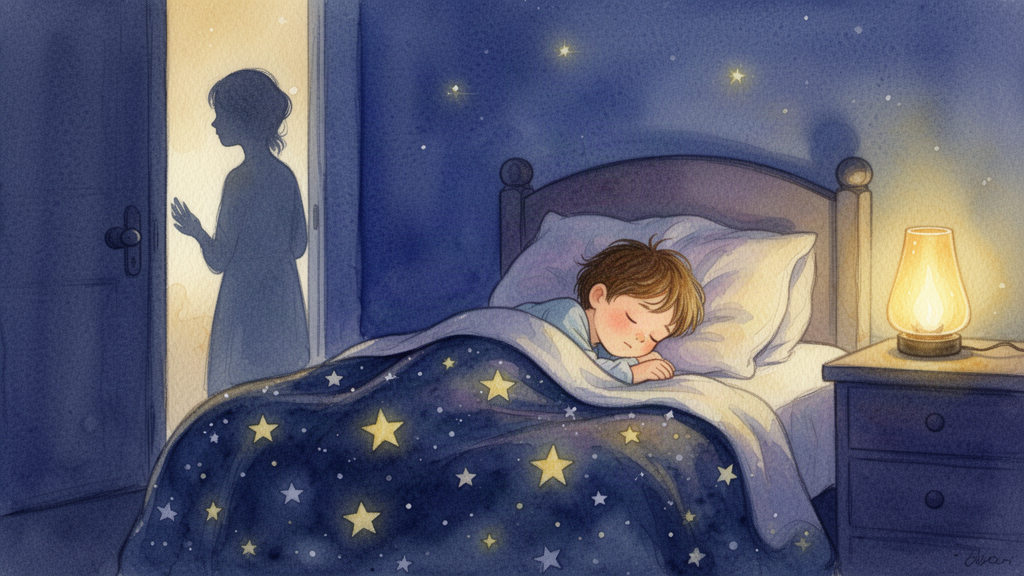
Your child sits bolt upright, screaming, eyes wide open, yet they don't seem to know you're there. Night terrors are frightening to watch but usually harmless for your child. Here's how to tell them apart from nightmares, what to do in the moment, and how to make them less likely.
It is the middle of the night and a scream rips through the house. You race to your child's room and find them sitting up, eyes wide open, thrashing or crying out. You say their name, you hold them, you try everything, and yet they look straight through you. Then, a few minutes later, they lie down and sleep on as if nothing happened. If this sounds familiar, your child may be having night terrors. They are among the most alarming things a parent can witness, but the reassuring truth is that they are common, usually harmless, and almost always outgrown.
What Are Night Terrors (and How Are They Different From Nightmares)?
Night terrors, sometimes called sleep terrors, are episodes of intense fear, screaming, or agitation that happen during deep sleep. They tend to occur in the first few hours after your child falls asleep, when they are in the deepest stage of non-REM sleep. They are most common between the ages of 3 and 8, and they affect a notable minority of children at some point.
The key difference from a nightmare is that your child is not actually awake. Their eyes may be open, but their brain is still asleep. That is why they do not respond to you, do not seem to recognise you, and usually remember nothing in the morning.
Here is a quick way to tell them apart:
- Nightmares happen later in the night, during lighter REM sleep. Your child wakes up, is scared, can be comforted, and often remembers the dream.
- Night terrors happen early in the night, during deep sleep. Your child is not truly awake, cannot be comforted in the usual way, and has no memory of it afterwards.
If you are mainly dealing with a child who wakes frightened and wants a cuddle, our guide to handling a nightmare will be more relevant. This post is for the episodes where your child seems to be somewhere you cannot reach.
What to Do During an Episode
The hardest part of a night terror is resisting your instinct to wake and rescue your child. Here is what tends to help:
- Stay calm and stay close. Your calm presence matters more than anything you say. Remind yourself that your child is not in distress the way it appears, and that they will not remember it.
- Do not try to wake them. Shaking or shouting can prolong the episode and leave them confused and upset. Waking a child from deep sleep is rarely successful and rarely kind.
- Keep them safe. Gently guide them back to bed if they get up, and move anything hard or sharp out of the way. This is the only time to physically intervene.
- Speak softly and sparingly. A low, steady "You're safe, I'm here" is plenty. Do not ask questions.
- Wait it out. Most episodes last between 5 and 15 minutes. Your child will settle back into normal sleep on their own.
In the morning, there is no need to bring it up with your child. Since they do not remember it, describing it in detail can create worry where none existed.
Common Triggers You Can Do Something About
Night terrors are linked to anything that makes sleep deeper or more disrupted. The most common culprits are:
- Overtiredness. This is the biggest one. A child who is sleep-deprived falls into deeper sleep more heavily, which makes terrors more likely. Protecting an age-appropriate bedtime is often the single most effective step.
- Irregular sleep schedules. Big swings between weekday and weekend bedtimes can unsettle the sleep cycle.
- Illness or fever. Terrors often flare up when a child is unwell.
- A full bladder. A last toilet trip before lights out can help.
- Noise, light, or being in an unfamiliar place. Travel and new beds can bring episodes on.
- Stress or big changes. Starting school, a house move, or family upheaval can show up in sleep.
If episodes happen at roughly the same time each night, some families try scheduled waking: gently rousing the child about 15 to 30 minutes before the usual time of the terror, for a week or so, to disrupt the sleep cycle. It does not suit every child, but it can be worth trying.
Build a Calmer Wind-Down
Since overtiredness and stress are the main drivers, a soothing pre-sleep routine is your best preventative tool. Aim for the last half hour before bed to be slow and predictable: dim lights, no screens, a warm bath if your child enjoys one, and quiet time together.
Storytime is ideal here because it gives your child's busy mind something gentle to follow while their body relaxes. Choose stories with a soft, steady rhythm and a peaceful ending, and avoid anything too exciting or suspenseful in the evening. If you would like a fresh, calming story each night without hunting through the bookshelf, Dreamtime can create a personalised one using your child's name and interests, with gentle narration and watercolour pictures to match. It is one simple way to keep the wind-down consistent, even on the nights when you are tired too.
When to Speak to Your GP
Night terrors are usually nothing to worry about, but it is sensible to check in with your GP or health visitor if:
- Episodes are happening several times a night or most nights
- They continue regularly beyond the age of 8 or 10
- Your child is injured or at risk of injury during an episode
- Your child snores loudly, pauses in their breathing, or seems very sleepy in the daytime, as sleep-disordered breathing can trigger terrors
- You simply feel something is not right
A professional can rule out other causes and give you reassurance and tailored advice.
You Are Doing Better Than You Think
Watching a night terror is far harder on you than it is on your child. They will wake up refreshed and unaware, while you may lie awake with your heart racing. Be kind to yourself, lean on your partner or a friend for the next day, and remember that this phase almost always passes by itself.
Keep the evening routine steady, protect their sleep, and stay calm when it happens. With time, the screams will fade, and the quiet nights will return.
Give your child a new story every night
Dreamtime creates personalised bedtime stories with beautiful illustrations, tailored to your child, every single night.
Start your free trial →