Is Your Child a Night Owl? How to Work With Their Natural Body Clock at Bedtime
Dreamtime
13 October 2026
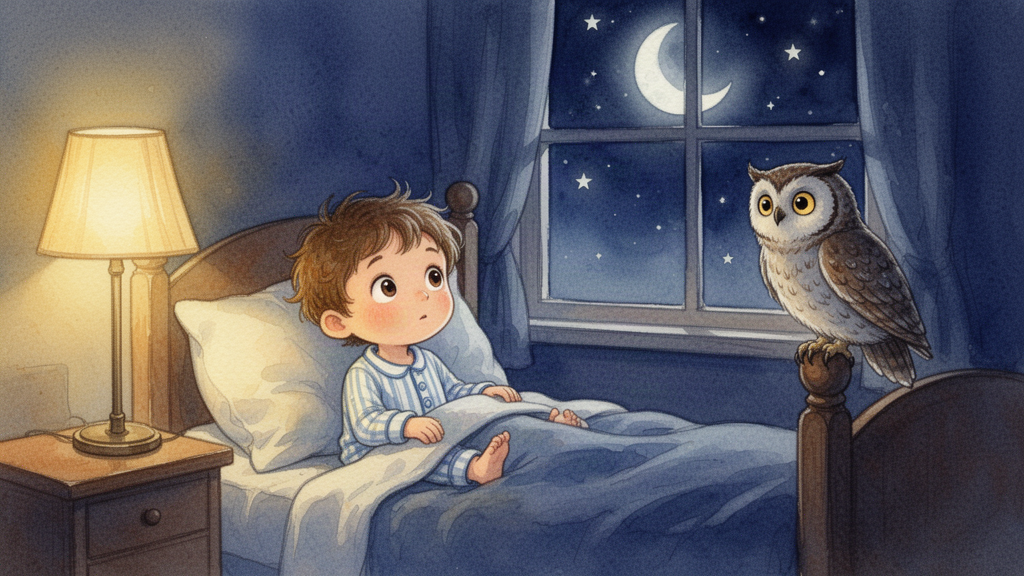
Some children seem wide awake long after the rest of the house is winding down, then struggle to get up in the morning. This guide explains chronotypes in kids and how to gently shift your night owl's body clock without a nightly battle.
It's 8:30pm. The bath is done, pyjamas are on, and the story has been read. Your child is lying in bed, bright-eyed and chatty, apparently ready to start the day. Meanwhile, their friend down the road is out cold by 7:15 every night. If this sounds familiar, you may not be dealing with a stalling tactic or a discipline problem at all. You may be raising a night owl.
Just like adults, children have a natural leaning toward earlier or later sleep. Understanding that wiring can change how you approach bedtime, and take a lot of the frustration out of it.
What Is a Chronotype (and Do Children Really Have One)?
A chronotype is your body's natural preference for when to sleep and wake. It's driven by your internal body clock, which controls the release of sleep hormones like melatonin. Some people's melatonin rises early in the evening (larks), while others' rises later (owls).
Children have chronotypes too, and they show up surprisingly early. Many parents notice a pattern from toddlerhood: one child bounces out of bed at 6am, while another seems to need a gentle dragging into the day. Genetics play a significant part, so if you or your partner are a night owl, it's worth checking whether your child has inherited the same rhythm.
It's also worth knowing that chronotypes shift with age. Young children tend to skew early, many children drift later through the primary school years, and the shift toward late nights becomes most pronounced in the teenage years. A child who is a late-evening spark at seven may look quite different at four or ten.
Signs Your Child Might Be a Night Owl
Not every bedtime struggle points to a late body clock, but these patterns are worth noticing:
- They fall asleep slowly, but sleep well once they're off. It regularly takes 45 minutes or more to drop off, yet they sleep soundly through the night.
- They hit a "second wind" in the evening. Energy and chattiness peak just when you want things to calm down.
- Mornings are hard. They're groggy, grumpy, or hard to wake on school days, but easy-going at weekends or holidays.
- They naturally sleep later when allowed. Given a free morning, they'll happily sleep until 8 or 9am.
- They seem sharper in the late afternoon and evening. Their best concentration, creativity, or mood arrives later in the day.
If your child also seems persistently exhausted, snores heavily, or has other sleep disruptions, mention it to your GP or health visitor to rule out other causes.
Why Forcing an Earlier Bedtime Often Backfires
The instinct is understandable: if they can't fall asleep, put them to bed earlier so they get enough rest. But an owl's body isn't producing sleep hormones yet, so an earlier bedtime often just means longer lying awake. That can create a frustrating cycle where bed becomes associated with boredom, worry, or conflict.
Lying awake in bed for an hour also teaches the brain that bed is a place for being awake. Over time, that can make falling asleep harder, not easier.
The goal isn't to fight your child's biology. It's to nudge their body clock a little earlier, gently and consistently, so that bedtime and school-morning wake-ups line up more comfortably.
How to Gently Shift a Night Owl's Body Clock
Small, steady changes work better than dramatic ones. Try these in combination:
1. Move bedtime earlier in 10 to 15 minute steps. Shift bedtime by a quarter of an hour every three or four days, rather than an hour overnight. This gives their body clock time to catch up.
2. Get bright light early in the day. Morning daylight is one of the strongest signals for setting the body clock. Open the curtains as soon as they wake, have breakfast near a window, and try to get outside before school if you can.
3. Dim the lights in the evening. Bright light late in the day tells the brain it's still daytime. An hour before bed, switch off overhead lights and use lamps instead. Keep screens out of the final stretch, as they combine bright light with stimulation.
4. Keep wake-up times consistent, including weekends. A fixed morning wake-up is the anchor for the whole system. Letting an owl sleep in until 10am on Saturday pushes their clock later and makes Monday harder.
5. Move active play earlier. Energetic, noisy games close to bedtime can keep an owl buzzing. Shift the rough-and-tumble to after school or before dinner, and save the evening for quieter activities.
6. Build a longer, calmer wind-down. Night owls often need more runway to power down. Aim for 30 to 45 minutes of predictable, low-key activities: a warm bath, soft music, tidying up, then stories.
Make the Wind-Down Something They Look Forward To
For a child who isn't sleepy yet, lights-out can feel like a punishment. The trick is to make the lead-up appealing, so that winding down feels like a reward rather than a shutdown.
Storytime is ideal for this. A calm, absorbing story gives an alert mind something gentle to focus on while the body slows down. Reading or listening in a dimly lit room, with a predictable rhythm, helps signal that the day is ending.
If your child is hard to settle, a story that features them as the hero can hold their attention in a soothing way. With Dreamtime, each night's story is created around your child's name, age, and interests, with watercolour illustrations and narration, so a wide-awake owl has something calm and captivating to drift off to, without you having to think up a new tale at the end of a long day. There's a free 7-story trial if you'd like to see how it fits your routine.
Be Patient, and Protect the Mornings
Shifting a body clock takes time, usually two to three weeks of consistency before you notice real change. Expect some bumpy evenings along the way.
It also helps to make mornings kinder for your owl. Prepare bags and uniforms the night before, allow a few extra minutes for waking up, and offer a good breakfast. A child who feels rushed and groggy at 7am is more likely to dread the whole cycle.
A Little Understanding Goes a Long Way
A night owl child isn't being difficult. They're running on a slightly different clock, and with some gentle nudges, steady routines, and a calming wind-down, you can help that clock fit the demands of school and family life. Along the way, try to see their late-evening spark as a strength: many owls are creative, curious, and full of great conversation once the lights go down. Bedtime may take a little longer, but it can become some of the best time you spend together.
Give your child a new story every night
Dreamtime creates personalised bedtime stories with beautiful illustrations, tailored to your child, every single night.
Start your free trial →