Molars, Wobbly Teeth and Sore Gums: How to Help Your Child Sleep Through Tooth Troubles
Dreamtime
18 November 2026
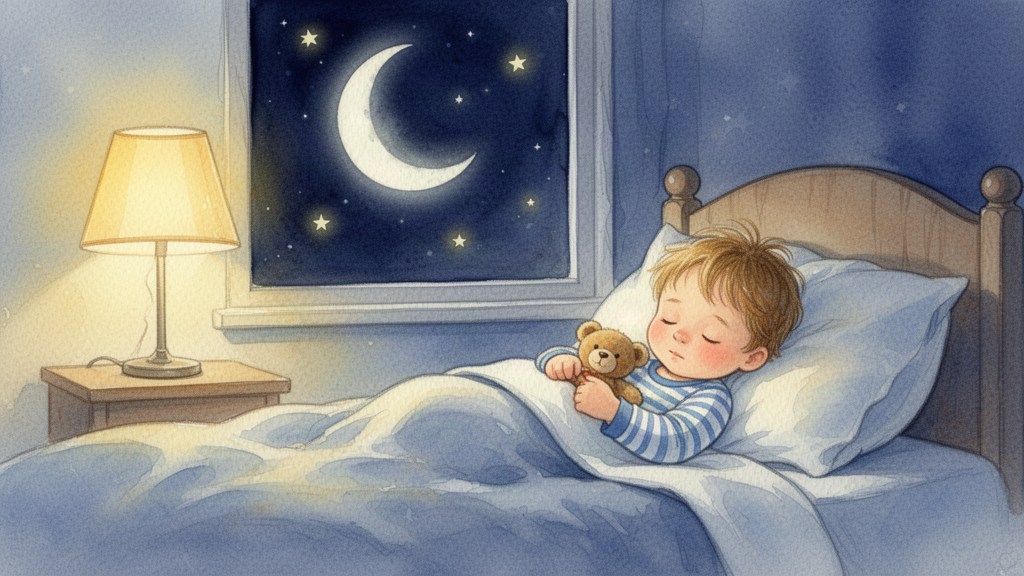
Teething doesn't stop at babyhood. From toddler molars to wobbly first teeth at six or seven, sore mouths can wreck a good bedtime. Here's how to soothe the discomfort, keep your routine steady and help your child settle.
When people talk about teething, they usually mean babies. But parents of two-year-olds know the sequel: the back molars arrive, your once-settled child is suddenly grizzly and wakeful, and bedtime feels like a step backwards. A few years later, wobbly baby teeth and new adult ones can bring a fresh round of niggles. If your child's sleep has wobbled along with their teeth, you're not imagining things, and there's plenty you can do to help.
Why Tooth Troubles Show Up at Bedtime
Children's teeth don't hurt more at night, but they feel worse. During the day, play, snacks and chatter keep little minds busy. When the house goes quiet and the lights dim, there's nothing left to distract from a throbbing gum. Lying flat can also increase blood flow to the head, which may make gums feel more tender.
Knowing the typical timeline helps you spot the cause:
- Around 12 to 18 months: first molars appear.
- Around 2 to 3 years: second molars push through, often the most uncomfortable set because they're large.
- Around 5 to 7 years: baby teeth start to loosen, and first adult molars erupt behind the back row.
- Up to 12 or 13 years: the remaining adult teeth continue to arrive.
Common signs include dribbling, chewing on fingers or toys, red or swollen gums, rosy cheeks, being clingier than usual and waking in the night. Teething can cause mild irritability, but a high fever, vomiting or severe diarrhoea is not caused by teething, so check with your GP or pharmacist if those appear.
Soothing Sore Gums Before Bed
A little preparation in the hour before lights out can make a real difference:
- Something cool to chew: a chilled (not frozen) teething ring or a clean, damp flannel from the fridge gives gentle counter-pressure. Older children might enjoy a cold cucumber stick or a few slices of chilled apple, offered well before brushing and while sitting down.
- A gentle gum massage: for toddlers, rub the gums with a clean finger for a minute or two. Many children find this comforting as part of the wind-down.
- Pain relief when needed: if your child is clearly in pain, ask a pharmacist or GP about age-appropriate paracetamol or ibuprofen and follow the dosing instructions carefully. Avoid teething gels containing choline salicylate for young children and always check the packaging for age guidance.
- Keep brushing: it's tempting to skip it when gums are tender, but a soft brush and a pea-sized amount of fluoride toothpaste keep inflamed areas clean. Brush gently and let your child hold the brush too, so they feel in control.
Wobbly Teeth: Comfort, Curiosity and Calm
For school-age children, a loose tooth is thrilling by day and surprisingly fiddly by night. They poke it, worry about swallowing it, or fret that it will fall out in their sleep.
- Reassure them: explain that if a tooth comes out overnight, it's completely safe. It usually ends up on the pillow, and the Tooth Fairy is very good at finding it.
- Skip the bedtime wiggling: encourage them to leave the tooth alone once they're in bed. Constant fiddling can make the gum sore and keep them awake.
- Offer a soft landing: a small pot by the bed means a lost tooth can be tucked away safely and found easily in the morning.
- Normalise the bleeding: a little blood on the pillow can be alarming. Tell them in advance that it's normal, and keep a spare pillowcase handy.
If a tooth is very loose but your child is anxious about it coming out, don't pull it at bedtime. Let it happen naturally, ideally on a calm morning.
Protecting the Routine When Sleep Goes Wobbly
Sore teeth can make you want to abandon the usual rules: extra cuddles, later nights, a bed full of company. A little flexibility is kind, but try to keep the framework steady. Children cope with discomfort far better when the rhythm of the evening is familiar.
- Keep the same order of events: bath, pyjamas, teeth, story, lights out. Predictability is soothing in itself.
- Add comfort, don't change the structure: an extra few minutes of cuddling or a cool drink of water is fine. Moving bedtime by an hour or letting them fall asleep in your bed can create new habits that outlast the sore gums.
- Expect a short rough patch: most tooth-related wakefulness settles within a few days. If poor sleep drags on for more than a week or two, or your child seems to be in significant pain, see a dentist or GP to rule out decay, infection or an abscess.
- Stay calm at 2am: brief, quiet reassurance, a sip of water and maybe a dose of pain relief if appropriate, then back to bed.
Use Story Time as a Gentle Distraction
The best remedy for a mouth that's all your child can think about is giving their mind somewhere else to go. A familiar, cosy story gives them something to focus on while the discomfort fades into the background.
This is where personalisation can really help. With an app like Dreamtime, you can create a story each night featuring your child's name and favourite things, whether that's a brave little dragon who finds a magical, tooth-shaped treasure or an explorer on a gentle moonlit adventure. The watercolour illustrations and calm narration give sore, tired children something soothing to look at and listen to, and the stories wind down gradually so they drift off feeling safe.
Whatever you choose, keep the lights low, the voice slow and the ending sleepy. A warm story and a steady hand are often just what a sore-mouthed child needs.
A Few Teeth, A Lot of Patience
Tooth troubles come in waves, and so do the rough nights that go with them. Each new tooth is a sign that your child is growing, even if it doesn't feel like progress at 3am. Offer comfort, keep the routine as steady as you can, and remember this phase will pass. Soon enough, you'll be tucking in a child with a gap-toothed grin, a tooth tucked under the pillow and a head full of sleepy stories.
Give your child a new story every night
Dreamtime creates personalised bedtime stories with beautiful illustrations, tailored to your child, every single night.
Start your free trial →