Is My Child's Snoring Normal? What Parents Should Know About Noisy Night-Time Breathing
Dreamtime
9 November 2026
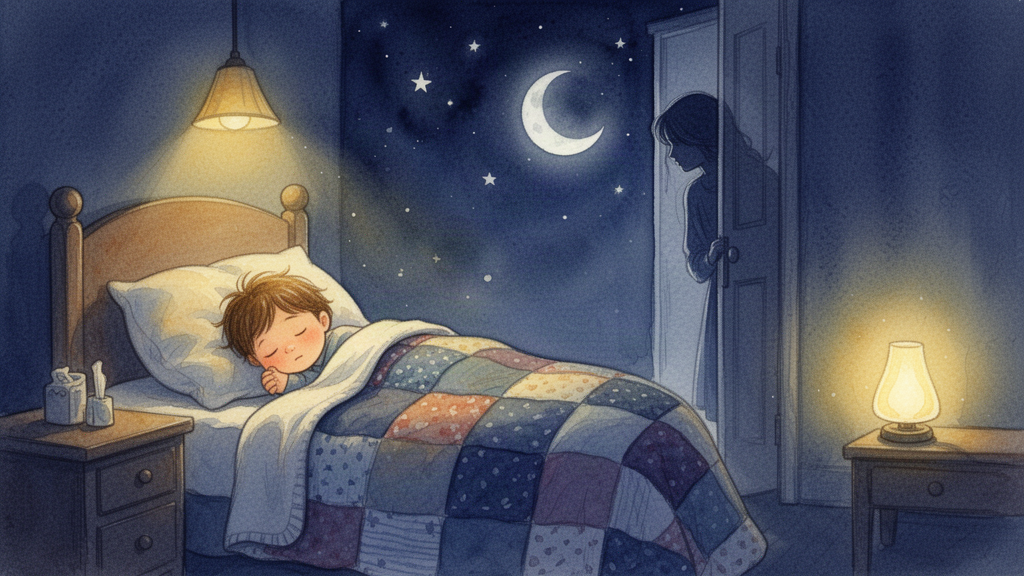
Hearing your child snore, snuffle or breathe noisily through the night can leave you wondering whether to worry. This guide explains the common causes, the signs worth mentioning to your GP, and gentle things you can try at home.
You tiptoe in to check on your little one and hear it: a rumbling snore that seems far too big for such a small body. Or perhaps it is a snuffly, whistling, open-mouthed kind of breathing that makes you pause at the doorway. Many parents quietly wonder whether this is just a cold, a quirk, or something they should be doing something about. The good news is that occasional snoring is very common in children. The more useful news is that knowing what is typical, and what is worth a conversation with your doctor, can help you feel calm and confident.
Why Do Children Snore?
Snoring happens when air does not flow smoothly through the nose and throat during sleep, causing the soft tissues to vibrate. In children, there are a handful of everyday reasons this can happen:
- Colds and blocked noses. A runny or stuffy nose is the most common culprit. Snoring that comes and goes with a cold usually settles once the cold clears.
- Allergies. Hay fever, dust mites or pet dander can inflame the nose and make breathing noisier, especially at certain times of year.
- Enlarged tonsils or adenoids. These are part of your child's immune system and are naturally larger in the early and primary school years. When they are bigger than average, they can narrow the airway.
- Sleeping position. Lying flat on their back can let the tongue and soft tissues relax backwards, which sometimes makes snoring louder.
- Deep sleep. Some children simply breathe noisily when they are very relaxed, particularly after a busy day.
If your child snores now and then, otherwise sleeps soundly and wakes up bright and cheerful, it is usually nothing to worry about.
Signs Worth Mentioning to Your GP
Snoring on its own is rarely an emergency. However, it can sometimes be linked to a condition called obstructive sleep apnoea, where breathing is briefly interrupted during sleep. It is worth booking a chat with your GP or health visitor if you notice any of the following:
- Snoring most nights, rather than only when they have a cold
- Pauses in breathing, gasping, or choking sounds
- Persistent mouth breathing, even when they are well
- Restless sleep, heavy sweating, or unusual sleeping positions such as with the neck stretched back
- Frequent night waking or new bedwetting
- Daytime tiredness, or the opposite: hyperactivity, irritability and difficulty concentrating
- Morning headaches or a dry mouth and sore throat on waking
A short video of your child sleeping, recorded on your phone, can be surprisingly helpful to show a doctor. Noting how often it happens and whether it follows a pattern gives them a much clearer picture. This is general guidance rather than medical advice, so always trust your instincts and ask a professional if you are worried.
Gentle Things to Try at Home
While you are keeping an eye on things, a few simple adjustments can make night-time breathing easier:
Keep the air comfortable. A bedroom that is too dry can irritate the nose and throat. Aim for a comfortable, well-ventilated room, and regularly wash bedding to reduce dust mites. A cool, calm space also supports better sleep overall.
Help with a blocked nose. For a cold, a saline nasal spray or drops (suitable for their age) can loosen congestion before bed. Steam from a warm bathroom can also help. Check with your pharmacist about what is appropriate for your child.
Reduce allergy triggers. If you suspect allergies, try washing pillowcases and soft toys more often, keeping pets out of the bedroom, and showering or changing clothes after a day outdoors in high pollen season.
Encourage side sleeping, gently. You cannot control how a sleeping child moves, but a comfortable pillow for older children and a relaxed, unrushed settling routine can help them drift off in a position that feels good.
Stay on top of a healthy routine. Regular physical activity, a balanced diet and a consistent bedtime all support healthy sleep. Children who carry extra weight are more likely to snore, so focus on gentle, positive habits rather than anything that feels like pressure.
Keep Bedtime Calm and Unworried
It is easy to feel anxious when you are listening to every breath, but children pick up on our worry. Try to keep the wind-down relaxed and predictable, so your child feels safe and sleepy rather than aware that something might be wrong.
A quiet story can be a lovely anchor for this. Slow, steady reading encourages deep, even breathing, and a familiar ritual signals that the day is done. If you would like something fresh each night, an app like Dreamtime can create a brand-new personalised story with your child's name and interests, narrated softly so you can sit back, cuddle up and simply enjoy the calm. There is a free 7-story trial if you would like to see whether it suits your routine.
When to Relax, and When to Ask
Most childhood snoring is harmless and passes with time, a cleared cold or a change of season. Watch for patterns, notice how your child feels during the day, and speak to your GP if anything on the warning-sign list sounds familiar. Asking is never wasting anyone's time, and early support can make a real difference to how well your child sleeps and grows.
Until then, take a deep breath yourself. A snoring child who is happy, energetic and growing well is usually just a noisy sleeper, and those rumbling little snores may well be a sound you miss one day.
Give your child a new story every night
Dreamtime creates personalised bedtime stories with beautiful illustrations, tailored to your child, every single night.
Start your free trial →