How to Help Your Child Stop Sleepwalking (And When to See a Doctor)
Dreamtime
3 October 2026
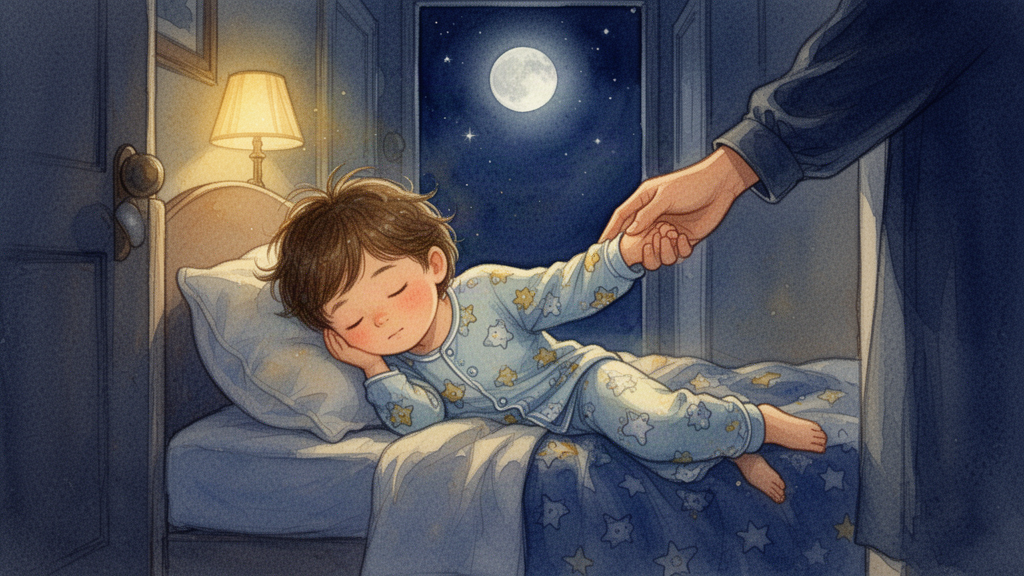
Sleepwalking can be unsettling to witness, even though it's usually harmless. Here's what causes it, how to keep your child safe during an episode, and the practical steps that can help reduce how often it happens.
The first time it happens, it can be genuinely alarming. You hear footsteps, and there's your child, eyes open, wandering down the hallway or standing at the top of the stairs, seemingly awake but not really there at all. Sleepwalking affects somewhere between 15 and 30 percent of children at some point, usually between the ages of 4 and 8, and in the vast majority of cases it's a normal, if strange, part of growing up. Still, most parents want to know two things: how do I keep them safe, and how do I make it stop.
Here's what's actually going on when your child sleepwalks, and what you can do about it.
What Sleepwalking Actually Is
Sleepwalking (the medical term is somnambulism) happens during deep, non-REM sleep, usually in the first third of the night. It's considered a "disorder of arousal", meaning the brain is partially waking up from deep sleep but getting stuck in between states. Part of the brain is awake enough to control movement, but the parts responsible for full consciousness and memory stay offline.
This is why a sleepwalking child can have their eyes open, mumble a few words, or even navigate around furniture, but will have no memory of it in the morning. It isn't dreaming in the way we usually think of it (dreams mostly happen during REM sleep, later in the night), and it isn't dangerous in itself. It's simply a glitch in the transition between sleep stages, and children are especially prone to it because their sleep architecture, with long stretches of deep slow-wave sleep, makes those glitches more likely.
Sleepwalking tends to run in families. If you or your partner sleepwalked as a child, there's a good chance your child inherited the tendency too.
What Triggers an Episode
Sleepwalking is more likely to happen when a child's sleep is disrupted or their deep sleep is unusually heavy. Common triggers include:
- Overtiredness. An overtired brain spends more time in deep sleep trying to catch up, which increases the odds of a sleepwalking episode.
- Irregular sleep schedules. Late nights, early starts, or travel across time zones can all throw off the sleep cycle.
- Fever or illness. Being unwell often intensifies deep sleep in the first part of the night.
- A full bladder. Needing the toilet can be enough to trigger partial arousal in a susceptible child.
- Stress or big changes. Starting school, a new sibling, or a change in routine can all increase the likelihood of episodes.
- Noise or light disturbances. Anything that partially rouses a sleeping child can tip them into a sleepwalking episode rather than a full wake-up.
Keeping a simple log of when episodes happen, bedtime, wake time, anything unusual that day, can help you spot your child's personal triggers.
How to Handle an Episode Safely
The most important thing to know is this: do not try to wake your child up. Waking a sleepwalker abruptly can cause confusion, distress, or even a brief panic, and it rarely helps them settle back to sleep faster. Instead:
- Gently guide them back to bed. Speak in a calm, quiet voice and steer them by the shoulders rather than shaking or shouting.
- Don't expect a conversation. They may mumble or respond strangely. That's normal. Keep your own words simple and soothing: "Time for bed, let's go this way."
- Avoid bright lights. Turning on a harsh light can jolt them into a more confused, agitated state.
- Stay calm yourself. Children can sometimes sense tension even in this semi-awake state, so a steady, unhurried presence helps them settle faster.
Most episodes last just a few minutes, and your child will usually go straight back to sleep once resettled, with zero memory of it the next morning.
Making the Bedroom (and House) Sleepwalk-Safe
Since the real risk with sleepwalking is injury, not the episode itself, safety-proofing matters more than trying to prevent every instance:
- Install a gate at the top of stairs if your child's room is upstairs.
- Lock or alarm exterior doors and windows.
- Remove tripping hazards like toys or cables from the floor between their bed and door.
- Consider a motion-sensor alarm or bell on their bedroom door so you're alerted if they wander.
- Keep sharp or breakable objects out of their room if episodes are frequent.
These small adjustments mean you can relax a little more once your child is down for the night.
Reducing How Often It Happens
While you can't always prevent sleepwalking entirely, these strategies genuinely reduce the frequency for many children:
Protect their sleep schedule. Consistent bed and wake times, even on weekends, help stabilise the deep sleep cycles that trigger episodes.
Watch for overtiredness. If your child has had a few late nights or a packed week, try to get them down earlier than usual to help them catch up gently rather than crash into extra-deep sleep.
Try "scheduled waking". If episodes happen at a predictable time each night, some parents find success gently waking their child about 15 minutes before that time, then letting them fall back asleep naturally. This can interrupt the deep sleep cycle enough to prevent the episode.
Wind down properly before bed. A calm, unhurried bedtime routine, think dim lights, a bath, and a quiet story, helps ease the transition into sleep rather than sending an overstimulated brain straight into deep sleep too fast. This is one of the reasons a gentle, predictable wind-down story works so well. In the Dreamtime app, each night's story is created fresh around your child's name, age, and interests, giving them something calm and familiar to focus on as part of a consistent routine, read aloud so they can simply listen and relax rather than process more screen time right before lights out.
Address bladder triggers. Make sure your child uses the toilet right before bed, and limit drinks in the last hour.
When to See a Doctor
Most childhood sleepwalking is harmless and children outgrow it by their teenage years. However, it's worth talking to your GP or paediatrician if:
- Episodes are frequent (several times a week) or increasing
- Your child does something dangerous during an episode
- Sleepwalking is accompanied by screaming, intense fear, or seems to be night terrors rather than calm wandering
- It starts suddenly in a teenager who never sleepwalked before
- You notice signs of another sleep disorder, like loud snoring or pauses in breathing, which can sometimes trigger arousal episodes
- Your child seems excessively tired during the day
A doctor can rule out other causes and, in persistent cases, may refer you to a sleep specialist.
A Reassuring Final Word
Sleepwalking looks dramatic, but for most children it's a passing phase rooted in a still-maturing sleep system, not a sign that something is wrong. With a few safety measures in place and a steady, calm response when it happens, you can handle it without losing too much sleep yourself. Focus on consistency, a gentle wind-down, and protecting those precious hours of deep sleep, and in time, those midnight wanderings will become far less frequent, then stop altogether.
Give your child a new story every night
Dreamtime creates personalised bedtime stories with beautiful illustrations, tailored to your child, every single night.
Start your free trial →