Hay Fever at Bedtime: How to Help Your Child Sleep When Pollen and Allergies Keep Them Sniffling
Dreamtime
20 November 2026
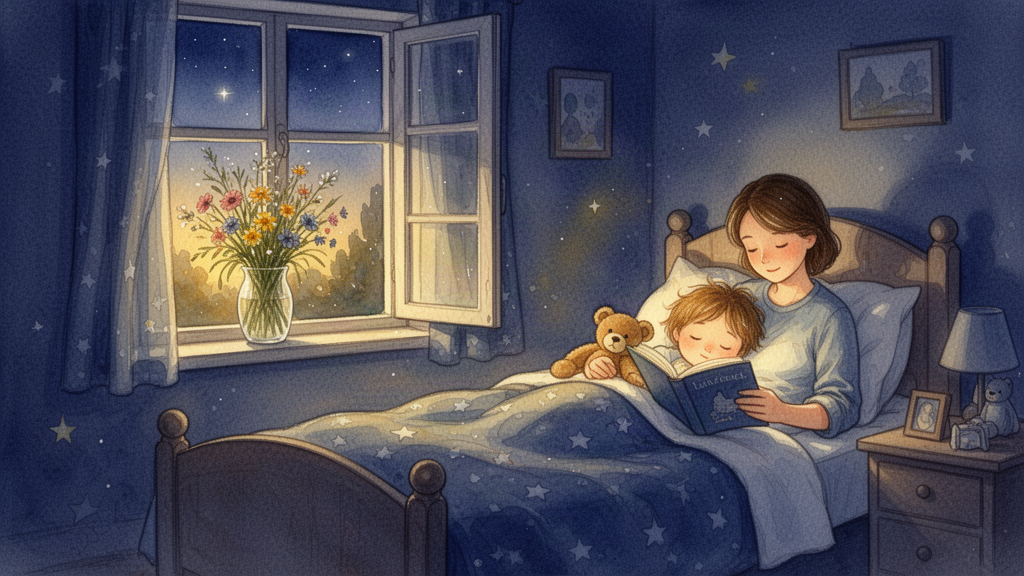
Itchy eyes, sneezing fits and a stuffy nose can make summer evenings miserable for children with hay fever. Here are practical, parent-tested ways to reduce pollen in the bedroom and help your child settle into a calmer, more restful night.
Every spring and summer, the same pattern shows up in many households. Your child plays happily outside all afternoon, then bedtime arrives and the sneezing starts. Eyes are red and itchy, their nose is running or blocked, and they keep rubbing their face and saying they can't get comfortable. Hay fever is common in children, and because pollen counts often stay high into the evening, it has a sneaky way of wrecking sleep. The good news is that a few small changes to your evening routine and bedroom can make a real difference.
Why Hay Fever Feels Worse at Bedtime
Many parents notice that symptoms seem to flare up just as the lights go down. There are a few reasons for this.
- Pollen comes home with your child. It clings to hair, skin, clothes and soft toys, then gets carried straight into the bedroom.
- Lying flat can increase congestion. When your child is horizontal, mucus pools more easily and a blocked nose feels more noticeable.
- There are fewer distractions. During the day, busy play masks the itchiness. At night, in the quiet, every tickle and sniffle feels louder.
- Pollen levels can peak in the evening. On warm, still days, pollen released during the day settles lower and can linger around dusk.
Poor sleep can also make a child grumpier and more sensitive to discomfort the next day, which can feel like a frustrating cycle. If you are not sure whether it is hay fever or a cold, it is worth speaking to your pharmacist or GP, as the treatments differ.
Build a "Pollen Reset" Into the Evening
The most effective approach is to stop pollen reaching the bed in the first place. Think of it as a short routine that fits naturally before pyjamas.
- Change clothes when you come in. Outdoor clothes carry pollen, so pop them straight in the wash basket rather than leaving them on a bedroom chair.
- Wash hands and faces. A quick rinse removes pollen from skin and around the eyes. A cool, clean flannel pressed gently over closed eyes can also feel soothing.
- Wash hair before bed on high-pollen days. Pollen collects in hair and then transfers to the pillow. If a full wash every night feels like too much, a rinse in the bath or shower can help.
- Keep outdoor shoes and bags downstairs. The fewer places pollen travels, the better.
Making this a game, such as a "pollen patrol" where your child gets to be the detective hunting invisible dust, can turn a chore into something they look forward to.
Make the Bedroom a Low-Pollen Zone
Your child's bedroom should be the calmest, cleanest space in the house. A few simple habits go a long way.
- Keep windows closed in the evening and early morning, when pollen counts tend to be highest. If the room gets warm, use a fan rather than opening the window wide.
- Wash bedding weekly in a hot wash, and avoid drying sheets on an outdoor line during peak pollen season, as they will collect it.
- Damp-dust surfaces rather than dry dusting, which just sends particles back into the air.
- Tidy soft toys. A heap of cuddlies can trap pollen and dust. Choose a few favourites for the bed and wash them regularly (or pop them in the freezer in a sealed bag for a few hours, then wash, if they cannot go in the machine).
- Check the pollen forecast. Most weather apps include a daily pollen count, so you can plan ahead on the worst days.
If your child's nose is blocked, raising the head of the mattress slightly or using an extra pillow (for children old enough to sleep safely with one) can help them breathe more comfortably. For younger children, check current safe-sleep guidance before changing anything about their bed.
Soothing Itchy, Tired Eyes and a Busy Nose
Alongside the environment, think about comfort. Saline nasal sprays or drops can help clear pollen from little noses, and many families find that a cool compress eases itchy eyes. Antihistamines and other treatments are available for children, but the right option depends on their age, so ask a pharmacist or your GP what is suitable and when to give it. Some medicines are best taken in the morning, others at night, so it is worth getting advice rather than guessing.
It is also a good idea to speak to your GP if symptoms are severe, if your child is wheezing or coughing at night, or if over-the-counter remedies are not helping. Hay fever can sometimes be linked with asthma or eczema, and a professional can check for this.
Keep the Wind-Down Calm and Distracting (in a Good Way)
A child who is focused on how itchy and uncomfortable they feel will find it hard to drift off. Gentle distraction is a powerful tool, and this is where a cosy story routine really shines. Dim the lights, get comfortable and give your child something else to concentrate on besides their nose and eyes.
Slow, warm storytelling shifts attention away from physical discomfort and encourages the body to relax. If you would like fresh ideas each night, an app like Dreamtime can create a personalised bedtime story with your child's name and interests, narrated so you can sit beside them with a cool flannel and a cuddle rather than doing all the performing yourself. A story about a brave explorer in a quiet, starlit meadow (with no sneezing in sight) can be a lovely way to turn the mind towards rest.
Pair the story with slow breathing. Ask your child to smell an imaginary flower and blow out an imaginary candle. It is simple, free and helps both nose and nerves settle.
Be Patient, and Expect Good Nights to Return
Hay fever season does not last forever, and neither do the sleepless evenings. In the meantime, remember that a child who is struggling to sleep is not being difficult. They are uncomfortable, and what they need most is reassurance, routine and a calm, familiar way to end the day.
Start with the pollen reset, keep the bedroom clean and closed up, get advice on treatments that suit your child's age, and wrap it all up with a gentle story and a cuddle. With a few small habits in place, those itchy, sniffly evenings can become softer, quieter and much more restful for everyone.
Give your child a new story every night
Dreamtime creates personalised bedtime stories with beautiful illustrations, tailored to your child, every single night.
Start your free trial →