Growing Pains at Night: How to Comfort Your Child When Aching Legs Keep Them Awake
Dreamtime
12 November 2026
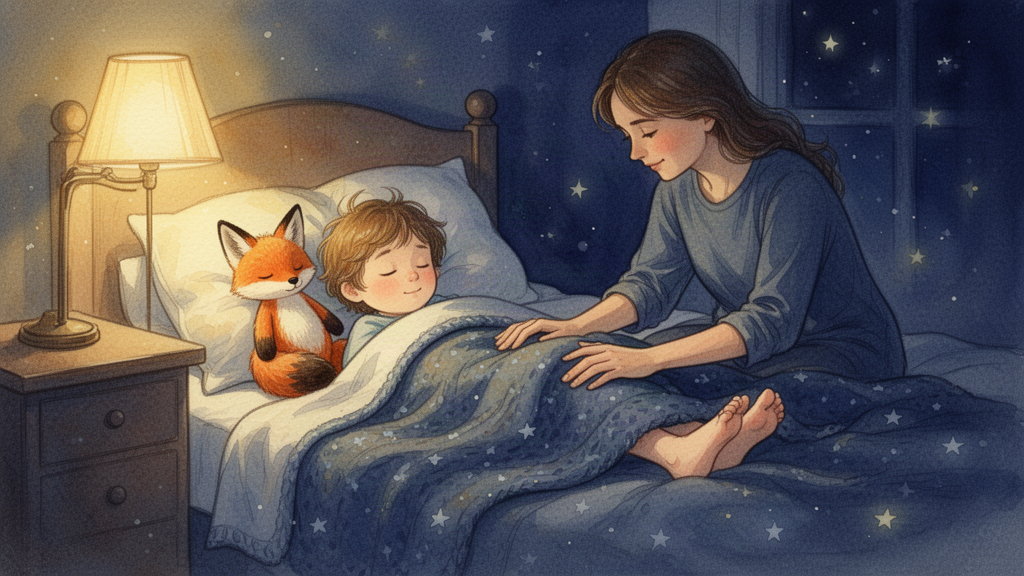
Does your child wake up crying about sore legs, even though they were running around happily all day? Here is what growing pains actually are, how to soothe them at bedtime, and when it is worth checking in with your GP.
It is 10pm, the house is finally quiet, and then you hear it: a small voice from the bedroom, tearful and confused. "My legs hurt." Your child was racing around the park this afternoon without a care, so where has this pain come from? If this sounds familiar, you may be dealing with growing pains, one of the most common night-time complaints in childhood, and one of the most puzzling for parents.
The good news is that growing pains are harmless and temporary. The even better news is that there is plenty you can do to help your child feel comforted and get back to sleep.
What Are Growing Pains, Really?
Growing pains are aching or throbbing sensations in both legs, usually in the muscles of the thighs, calves or behind the knees. They most often affect children between about 3 and 12, and they tend to show up in the late afternoon or evening, often waking children from sleep.
Despite the name, there is no evidence that growth itself hurts. The leading theory is that very active days, full of climbing, jumping and running, leave little muscles tired and sore, and the ache is simply more noticeable when the distractions of the day fall away at bedtime. That is why pain often follows a particularly busy day at soft play or a school sports afternoon.
A few typical features of growing pains:
- The pain is in both legs, not just one
- It is in the muscles, not the joints
- It comes and goes, and is gone by morning
- Your child is walking, running and playing normally the next day
- There is no swelling, redness, fever or limp
How to Soothe Aching Legs Tonight
When your child is upset and uncomfortable, you do not need anything complicated. Simple, gentle comfort works best.
Try a gentle leg massage. Slow, firm strokes along the calves and thighs can ease muscle tension and, just as importantly, give your child your calm, undivided attention. Many children find this is half the cure.
Use warmth. A warm bath earlier in the evening, or a warm (not hot) wheat bag or hot water bottle wrapped in a towel on the sore spot, can relax tired muscles. Always check the temperature yourself and never leave a child to fall asleep with a hot water bottle.
Offer a little gentle stretching. Slowly bending and straightening the legs, or a few calf stretches during the evening routine, may help some children. Keep it playful, like "stretching like a cat".
Talk about pain calmly. Children pick up on our worry. A steady, matter-of-fact tone ("Lots of children get achy legs after busy days, and it will feel better soon") reassures them that this is normal and not scary.
Ask your pharmacist or GP about pain relief. If the pain is really distressing, a children's dose of paracetamol or ibuprofen may be appropriate. Check with your pharmacist or GP first, and always follow the dosing guidance for your child's age and weight.
Make the Bedtime Routine Do Some of the Work
Pain feels bigger when a child is anxious, overtired or focused on it. A predictable, soothing routine can quietly turn the volume down.
- Build in a wind-down. A warm bath, a few minutes of leg massage and dimmed lights signal that it is time to relax.
- Avoid a frantic final hour. Over-excited, overtired children often report more aches. Quiet play before bed helps.
- Give the mind something else to hold. Distraction is genuinely powerful. A story, a quiet game of "I spy" or slow breathing together shifts attention away from the sore legs.
This is where storytelling shines. A calm, absorbing story gives your child's brain somewhere gentle to go. If your child has a favourite animal or hobby, weaving it into a soothing tale about a sleepy fox padding home through the woods can make aching legs fade into the background. Dreamtime can help here: it creates a fresh story each night using your child's name, age and interests, with narration you can play when you are busy with a hot water bottle and a fretful toddler.
When to Check In With Your GP
Growing pains are common and benign, but it is wise to rule out other causes. See your GP if your child has:
- Pain that is in one leg only, or in a joint
- Swelling, redness or warmth around a joint
- A limp or reluctance to walk in the daytime
- Pain that persists through the morning or is there during the day
- Fever, unusual tiredness, weight loss or a rash
- An urge to move the legs constantly, with tingling or crawling sensations, which can point to restless legs syndrome, particularly if it is worse at bedtime and disturbs sleep regularly
Trust your instincts. If something feels different or worrying, a quick check-up is always reasonable and can give you peace of mind.
A Little Comfort Goes a Long Way
Growing pains can feel unsettling in the moment, but they usually fade on their own as children get older. In the meantime, the most powerful tools are the simplest ones: a warm touch, a calm voice, a predictable routine and a story to carry them off to sleep.
Those night-time moments of comfort matter more than they seem. Your child learns that when something hurts or worries them, someone will be there, and that feeling will stay with them long after the aching legs are forgotten.
Sleep well, and may tonight be a quiet one.
Give your child a new story every night
Dreamtime creates personalised bedtime stories with beautiful illustrations, tailored to your child, every single night.
Start your free trial →