Ditching the Night Nappy: How to Know When Your Child Is Ready for Dry Nights (and How to Start)
Dreamtime
6 November 2026
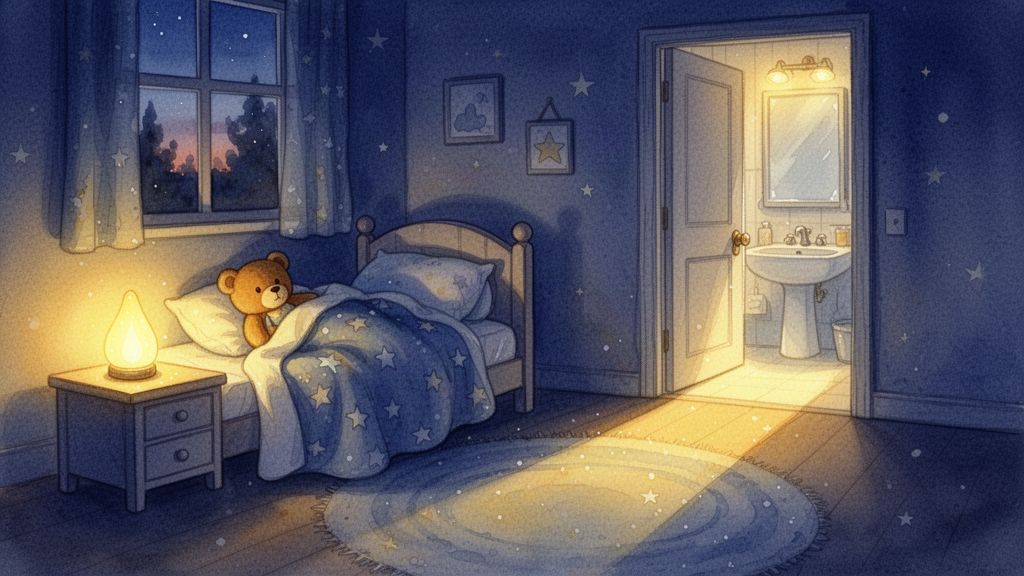
Your child is dry all day, but what about the night? Learn the signs that your little one is ready to drop the night nappy or pull-up, plus a gentle, practical plan for making the move without stress or broken sleep.
Your child has been confidently using the toilet in the daytime for months, so why are you still reaching for a night nappy or pull-up every evening? If you are wondering when (and how) to make the switch, you are far from alone. Night-time dryness is a different skill from daytime toilet training, and it follows its own timetable. The good news is that with a little patience and a few smart preparations, you can move on from night nappies in a way that feels calm and positive for everyone.
Why Night-Time Dryness Is Its Own Milestone
Daytime toilet training is largely about awareness and habit: your child notices the sensation, holds on, and makes it to the toilet. Night-time dryness depends on something your child cannot learn or be taught: their body's physical development.
Two things need to happen:
- The brain wakes up to a full bladder. Many young children sleep so deeply that the signal simply does not rouse them.
- The body produces less urine overnight. A hormone called vasopressin tells the kidneys to slow down production while we sleep. In some children, this rhythm takes longer to mature.
This is why a child can be dry by day at two and a half but still need protection at night until five, six, or even later. It is not a failure of training, and it is not something your child is doing on purpose. It is simply biology, and it varies widely from child to child. Many children are reliably dry at night by age five or six, though plenty take a little longer, and that is still within the normal range.
Signs Your Child Might Be Ready
Rather than going by age alone, look for these signs that your child's body is catching up:
- Consistently dry nappies or pull-ups in the morning. If you are finding them dry most mornings over a couple of weeks, that is the strongest signal.
- Waking up and asking to go to the toilet in the night or first thing in the morning.
- Staying dry during daytime naps (for younger children who still nap).
- Showing interest. Your child says they want to try sleeping without a pull-up, or feels uncomfortable wearing one.
- Reliable daytime control for at least a few months, including holding on when they need to.
You do not need to see every sign, but a few together suggest it is a good time to try. If your child is still wet every morning, there is no harm in waiting a while longer. Pushing too early usually just leads to disrupted sleep and discouraged little ones.
A Gentle Step-by-Step Plan for Dropping the Night Nappy
When you feel the time is right, a gradual, low-pressure approach works best.
1. Make the toilet part of the bedtime routine. Add a final toilet trip right before lights out, after the story rather than before it. This way your child's bladder is as empty as possible when they settle down.
2. Be sensible about drinks. Make sure your child drinks plenty during the day, but wind down the volume in the last hour before bed. A small sip is fine. There is no need to restrict fluids drastically, which can actually make bladders less efficient.
3. Make the route to the toilet easy. A nightlight in the hallway or bathroom, a clear path, and perhaps a potty in the bedroom for little ones can make the difference between a child who gets up and a child who stays put.
4. Protect the bed. Use a waterproof mattress protector and keep a spare set of sheets and pyjamas close to hand. Some parents layer the bed with a waterproof sheet, a fitted sheet, another waterproof sheet, and another fitted sheet, so a quick strip-and-go is possible in the dark without remaking the whole bed.
5. Try a trial run. Pick a calm week, not one full of new things like starting school or a house move. Let your child know in a positive way: "Tonight, let's see if your body is ready to stay dry." Treat it as an experiment, not a test.
6. Keep a relaxed attitude to accidents. Expect some wet nights. If your child has several in a row, it is perfectly fine to go back to pull-ups for a few weeks and try again later. Going back is not a step backwards, it is simply good timing.
How to Handle Accidents Without Shaming
How you respond to a wet bed shapes how your child feels about bedtime itself. Keep your tone matter-of-fact and warm: "No problem, let's get you changed." Avoid sighing, comparing them to siblings, or offering rewards for dry nights, which can make accidents feel like failures.
It can also help to involve your child in a small way, such as choosing fresh pyjamas, so they feel capable rather than embarrassed. Keep night-time changes quiet and dim, with minimal chat, so everyone can drift back to sleep quickly.
If your child is still regularly wet after the age of seven, or if they were dry for six months and then start having accidents again, it is worth a chat with your GP or health visitor. Often there is a simple explanation and plenty of support available.
Keep Bedtime Itself Calm and Confident
Worries about dry nights can quietly creep into bedtime. Some children feel anxious about "getting it right," and that tension can make it harder to relax into sleep. This is where a soothing, predictable wind-down really helps.
A calm story is a lovely way to take the pressure off. Some parents use a Dreamtime story, which is created fresh each night with your child's name and interests, to gently weave in themes of feeling brave, growing bigger, and trusting their own body. Whether you use an app or a favourite book from the shelf, the aim is the same: a relaxed, cosy end to the day before the final toilet trip and lights out.
Be Patient, It Will Happen
Dry nights arrive when your child's body is ready, and not a day before. In the meantime, you can support them with a good routine, a protected bed, and plenty of reassurance that they are doing nothing wrong. One morning, you will pull back the covers and find everything dry, and it will feel like a small celebration. Until then, keep it calm, keep it kind, and trust that your child is growing at exactly the right pace for them.
Give your child a new story every night
Dreamtime creates personalised bedtime stories with beautiful illustrations, tailored to your child, every single night.
Start your free trial →