Better Bedtimes Start at Breakfast: How Your Child's Daytime Habits Shape Their Night's Sleep
Dreamtime
1 November 2026
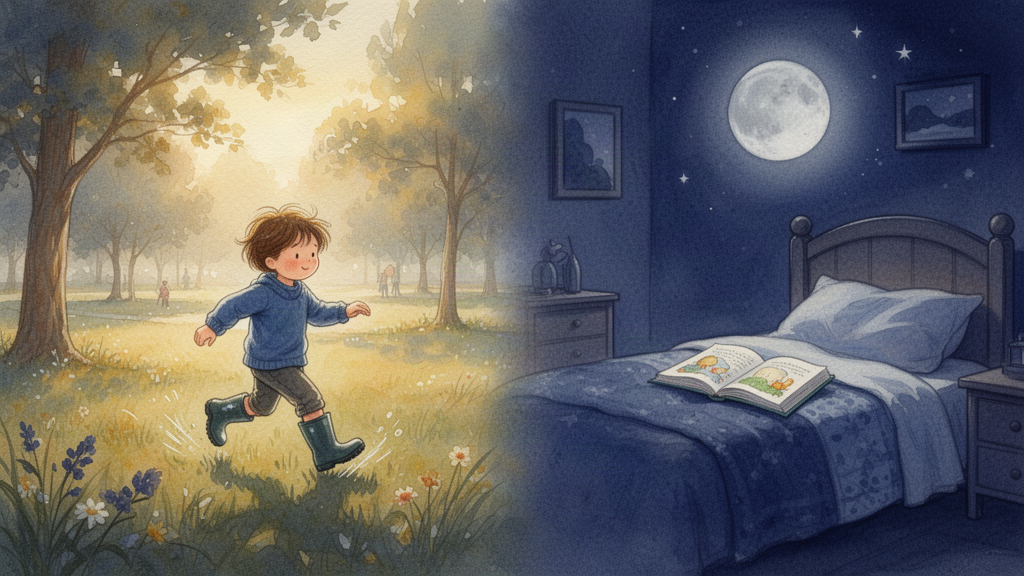
If bedtime feels like an uphill struggle, the solution might begin hours earlier. Discover how morning light, movement, meals and a calm afternoon can set your child up for easier, more restful nights.
When bedtime goes wrong, it is natural to look at what happens in the hour before lights out: the bath, the pyjamas, the story, the stalling. But many sleep experts will tell you that a good night's sleep is built across the whole day. The way your child spends their morning, afternoon and early evening quietly shapes how easily they drift off at night.
The good news is that these daytime habits are simple, mostly free, and easy to fit into family life. Here is how to make the hours before bedtime work in your favour.
Why the Whole Day Matters for Sleep
Children (and adults) have an internal body clock, known as the circadian rhythm, which tells the body when to feel alert and when to feel sleepy. This clock is set by cues from the world around us, especially light, movement, food and routine.
When those cues are clear and consistent, the body clock runs smoothly. Your child feels properly awake by day and naturally sleepy by evening. When the cues are muddled, for example a dim, sedentary day followed by a bright, busy evening, bedtime can feel like trying to start a car on a cold morning.
Think of daytime habits as the groundwork. You are not trying to force sleep. You are giving your child's body the right signals so that sleep comes more easily when the time arrives.
Start With Morning Light
Natural daylight is the most powerful signal for your child's body clock. Bright light in the morning helps the brain know that the day has begun, and it helps set the timing of sleepiness roughly twelve to fourteen hours later.
A few easy ways to get more morning light:
- Open the curtains as soon as your child wakes. Even a cloudy day is far brighter than indoor lighting.
- Eat breakfast near a window, or outside on a mild day.
- Walk or scoot part of the way to nursery or school if you can, rather than going door to door by car.
- Aim for at least 20 to 30 minutes outdoors in the first half of the day, more if possible.
On dark winter mornings, switch on bright lights in the kitchen and keep the curtains open. It is not quite the same as sunshine, but it still helps.
Make Room for Movement and Fresh Air
Children are built to move, and physical activity is one of the best natural sleep aids there is. Running, climbing, jumping and playing outdoors use up energy and help the body feel genuinely ready for rest.
You do not need organised sport or a packed schedule. Look for everyday opportunities:
- A trip to the park, even a short one
- Dancing in the living room on a rainy afternoon
- A family walk after nursery or school
- Games like hide and seek, obstacle courses or "the floor is lava"
Try to keep the most energetic play to the daytime and early afternoon. Very vigorous, high-excitement activity in the last hour before bed can leave some children wired rather than tired, so save that time for quieter play.
Watch the Timing of Food, Caffeine and Naps
What and when your child eats can also nudge their sleep in either direction.
- Regular meals help the body clock. Breakfast, lunch and dinner at roughly the same times each day give another steady signal about when the day starts and ends.
- Avoid a very heavy or very late dinner, which can make settling uncomfortable. Finishing the main meal an hour or two before bed works well for many families.
- Be mindful of hidden caffeine. Chocolate, cola, some squashes and iced teas can contain more than you would expect, and caffeine can linger for hours.
- Keep an eye on naps. For younger children who still nap, a nap that runs too long or finishes too late in the afternoon can push bedtime later. For school-age children who have dropped naps, a long snooze in the car on the way home can have the same effect.
If your child seems unable to fall asleep until well after their usual bedtime, it is worth checking whether a late nap or snack is playing a part.
Build a Calm Afternoon Landing Zone
The transition from a busy day to a sleepy evening does not happen in a single moment. It helps to create a gentle slope downwards, starting well before bedtime.
After school or nursery, many children need a little time to decompress. Offer a snack, some unstructured play, or a quiet cuddle before launching into the evening routine. As the evening progresses, gradually lower the lights, turn down the noise, and swap fast, stimulating activities for slower ones such as drawing, puzzles or building with blocks.
Dimming the lights in the home an hour or so before bed also supports the natural rise of melatonin, the hormone that helps us feel sleepy. That makes the bedtime routine itself feel like a natural next step rather than an abrupt stop.
Let Storytime Be the Final Piece
Once the day has done its work, storytime is the perfect closing chapter. A familiar, cosy story tells your child that the day is ending and that it is safe to relax. If you would like to make that moment extra special, an app like Dreamtime can create a fresh bedtime story each night, tailored to your child's name, age and interests, with gentle narration and watercolour illustrations to help them wind down. You can try seven stories free to see how it fits your evenings.
Whether you use a favourite picture book, an invented tale or a personalised story, the key is consistency: the same calm moment, in the same cosy spot, at roughly the same time each night.
Small Changes, Big Difference
You do not need to overhaul your whole day to see results. Pick one or two changes to try this week: perhaps opening the curtains at breakfast and adding a walk after school. Give it a week or two, as body clocks take a little time to adjust, and notice whether bedtime starts to feel easier.
Better sleep rarely comes from a single magic trick at 7pm. It comes from a day that gently points your child towards night, one sunny morning, one muddy puddle and one cosy story at a time.
Give your child a new story every night
Dreamtime creates personalised bedtime stories with beautiful illustrations, tailored to your child, every single night.
Start your free trial →