Duvet, Sleeping Bag or Weighted Blanket? How to Choose the Right Bedding for Your Child's Age
Dreamtime
17 November 2026
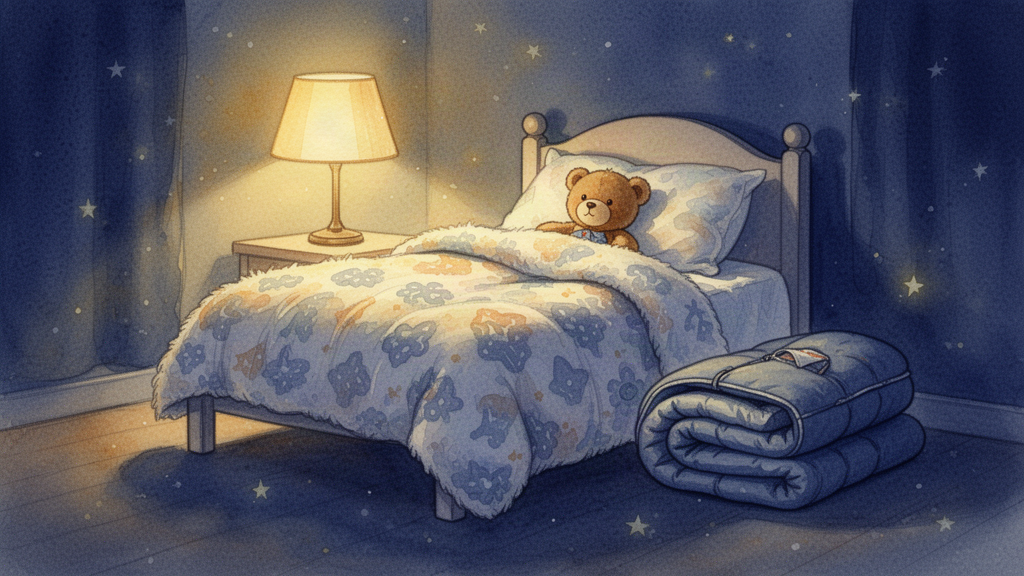
Knowing when to swap the baby sleeping bag for a duvet, and whether weighted blankets are safe, can feel confusing. This age-by-age guide explains what is safe, what is comfortable, and how to make the switch calmly.
Every parent eventually stands in a shop aisle, surrounded by duvets, sleeping bags, pillows and the occasional very expensive weighted blanket, wondering what their child actually needs. The right bedding can make a real difference to how cosy and settled your child feels at night, but the "right" choice changes as they grow. Here is a clear, age-by-age guide to what is safe, what is comfortable, and how to make each switch without a fuss.
Why Bedding Matters More Than You Might Think
Bedding does three jobs at once. It keeps your child at a comfortable temperature, it needs to be safe for their age and size, and it plays a part in whether the bed feels like a calm, inviting place to be. A scratchy, heavy or constantly slipping cover can quietly sabotage bedtime, even when everything else in your routine is working well.
The key principle is simple: match the bedding to your child's developmental stage, not just their age on the calendar. A confident, mobile three-year-old has very different needs from a younger toddler who is still learning to pull covers off their face.
Babies and Young Toddlers: Stick With Sleeping Bags
Safety guidance in the UK, including advice from The Lullaby Trust, recommends that babies under 12 months sleep without loose bedding such as duvets, pillows and bumpers. A well-fitted baby sleeping bag is the safest option because it cannot ride up over the face.
Many families keep using sleeping bags well into toddlerhood, and that is perfectly fine. Some practical tips:
- Check the size. The neck and armholes should be snug enough that your child cannot slip down inside.
- Choose the right tog. A lower tog suits warm rooms and a higher tog suits cooler ones. The tog rating on the label usually comes with a handy room-temperature guide.
- Consider a sleeping bag with feet or leg openings once your toddler is walking, so they can get to the toilet or climb out of bed safely.
Moving to a Duvet: When Is Your Child Ready?
There is no magic birthday for the first duvet. Guidance generally suggests waiting until at least 12 months, and many parents wait until their child is closer to two or three, or has moved from a cot to a bed. Look for these signs of readiness:
- They can easily move and reposition themselves in bed.
- They can pull covers off their face without help.
- They are asking for a "big kid" bed, or already sleep in one.
When you make the switch, choose a lightweight duvet with a low tog to begin with, and avoid anything bulky or fluffy at first. A cot-bed or toddler-sized duvet is easier for small hands to manage than an adult one. Skip the pillow until at least two years old, and when you do introduce one, keep it thin and firm.
A gentle way to introduce the change is to let your child help choose the duvet cover. A favourite character or colour turns a big transition into something exciting.
What About Weighted Blankets?
Weighted blankets have become hugely popular, and parents often ask whether they help children sleep. The honest answer is that the evidence is limited, particularly for young children, and safety is the main concern. A heavy blanket can be a risk if a child cannot easily move it off themselves.
Here is a cautious approach:
- Do not use weighted blankets for babies or toddlers. Most manufacturers and paediatric sleep experts advise against it for very young children.
- Speak to your GP, health visitor or an occupational therapist first, especially if your child has sensory needs, as they can advise on whether a weighted product is suitable and what weight is appropriate.
- Never use one as a substitute for a calm routine. If your child is struggling to settle, the cause is rarely the blanket alone.
If your child simply loves the feeling of snug pressure, a well-fitted sleeping bag or a firmly tucked sheet and blanket can offer a similar sense of security without the extra weight.
Making the Switch Feel Calm, Not Chaotic
Whatever you choose, how you introduce it matters as much as the product itself. A few ideas to help:
- Make it part of the story. Talk about the new bedding in the days before the switch, so it feels familiar rather than strange.
- Change one thing at a time. If you are also moving to a new bed or room, keep the bedtime routine itself exactly the same so there is something steady to hold on to.
- Do a practice run. Let your child have a cuddle or a story under the new duvet during the day, so it feels safe and pleasant before bedtime.
- Keep the comfort items. A favourite soft toy or familiar sheet can bridge the gap between old and new.
Stories can be a lovely way to smooth the transition. With Dreamtime, you can ask for a bedtime story starring your child as an explorer who discovers a cosy, magical bed in the clouds, with their name, age and interests woven in. A story that makes the new duvet feel like part of an adventure can help a nervous child look forward to climbing in.
When to Check In and Adjust
Children's needs change with the seasons and as they grow. If your child seems too hot (damp hair, flushed cheeks, kicking covers away) or too cold (cool chest, restlessness), adjust the tog or layers rather than adding more blankets. Wash bedding regularly, and replace pillows and duvets as they flatten or wear out.
A Cosy Conclusion
There is no single perfect answer to the bedding question, only the one that suits your child's age, size and stage right now. Start with safety, add comfort, and introduce changes gently with plenty of reassurance. Before long, that new duvet will feel like it has always been part of the bedtime ritual, and your child will be tucked in, warm and ready for their story.
Give your child a new story every night
Dreamtime creates personalised bedtime stories with beautiful illustrations, tailored to your child, every single night.
Start your free trial →