My Child Won't Sit Still for Stories: How to Enjoy Bedtime Reading With a Wriggly, Reluctant Listener
Dreamtime
22 October 2026
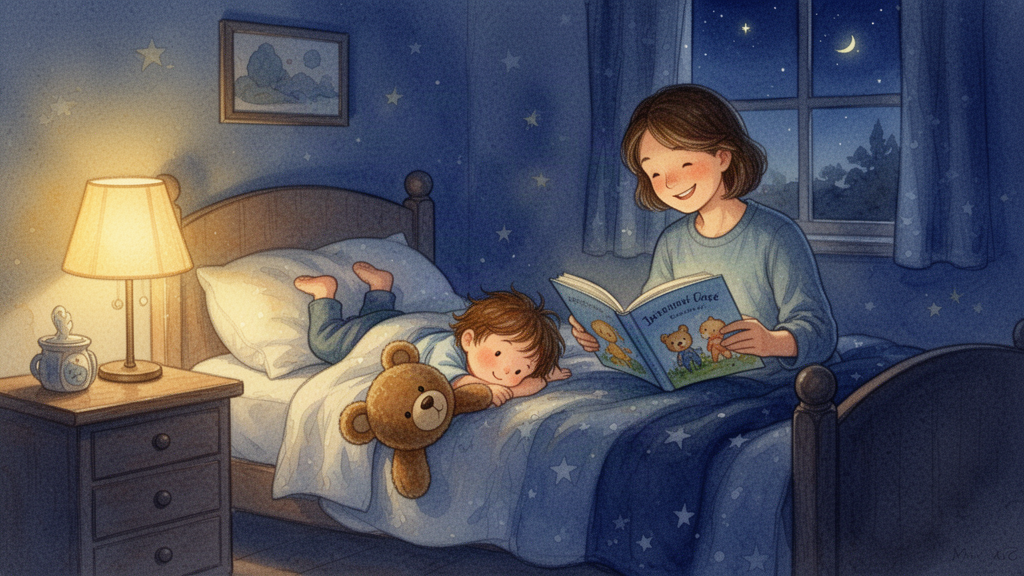
Not every child curls up quietly for a bedtime story, and that is completely normal. Here is how to make storytime work for wrigglers, wanderers and reluctant listeners, without forcing it or giving up.
You have the pyjamas on, the lamp glowing and a lovely book in your hands. Then your child bounces off the bed, crawls under the desk and asks for a biscuit, all before page two. If this sounds familiar, you are far from alone. Plenty of children simply do not enjoy sitting still and being read to, and it can feel disheartening when storytime is supposed to be the cosiest part of the day. The good news is that a wriggly listener is not a bad listener, and with a few small tweaks, bedtime stories can work for even the most restless child.
Why Some Children Can't Sit Still for Stories
Before changing anything, it helps to understand what is going on. A child who fidgets during a story is not necessarily bored or uninterested. There are several common reasons:
- They are still full of energy. Young children, especially between ages 2 and 6, need a lot of movement. If the day has not given them enough chances to burn it off, stillness at bedtime feels almost impossible.
- They learn through movement. Some children process information best when their bodies are active. Wriggling, rolling or playing with a toy can actually help them concentrate.
- The story does not match their mood or stage. A long text-heavy book can lose a three-year-old quickly, while a very simple story may bore an eight-year-old.
- They are overtired. Paradoxically, tired children often become more wired and fidgety, not less.
- Being still feels like a demand. If storytime has become a place where they are told to "sit down and listen", it can start to feel like a chore.
Knowing the reason helps you pick the right fix, rather than simply asking for more stillness.
Let Go of the "Perfect Storytime" Picture
The first shift is often a mental one. Many of us imagine a child nestled on our lap, eyes wide, hanging on every word. But research on early literacy suggests children can absorb stories while moving, drawing, building or even looking away. Listening does not require stillness.
Try allowing your child to:
- Lie upside down on the bed or sofa
- Hold a soft toy or a small fidget item
- Colour quietly or doodle while you read
- Play with a few building blocks beside you
- Change position as often as they like
If they can answer a question about the story afterwards or chuckle at the funny parts, they are listening. Relaxing your expectations often makes storytime calmer for everyone, because the tension around "sitting properly" disappears.
Burn Off Energy and Build a Gentle Runway
A wriggly child at 7pm is often a child who needed more movement at 5pm. A short burst of physical play in the late afternoon, such as a walk, a scoot, a dance in the kitchen or a quick garden run, can make a real difference to how settled they feel later.
Then build a calming runway into the evening:
- Wind down the lights and noise about 30 minutes before stories.
- Offer a "body reset", such as a warm bath, a few slow stretches or a gentle back rub.
- Try heavy-work movements, like pushing against the wall, carrying a pile of pillows or doing animal walks to the bedroom. These calm the nervous system in many children.
- Keep screens out of the lead-up, as they tend to leave children more wound up and less able to settle.
By the time the book opens, their body has had a chance to say "I'm ready".
Make the Story Itself Easier to Engage With
Sometimes the problem is not the child but the format. A few adjustments can bring a restless listener back into the story:
- Shorten it. A five-minute story that is enjoyed beats a fifteen-minute one that ends in frustration. You can always build up gradually.
- Make it interactive. Ask your child to make the animal sounds, turn the page, find a hidden object or guess what happens next. Active involvement gives restless minds something to do.
- Use your voice. Whisper, slow down, speed up, and let your tone rise and fall. Variety holds attention far better than a steady monotone.
- Choose stories about what they love. A child who is obsessed with diggers, dragons or dinosaurs will sit through far more if the story is about their favourite thing.
- Let them choose the setting. Telling the story in a tent made of blankets, or by torchlight, can turn storytime into an adventure rather than a request.
Personal connection matters most of all. Children listen harder when the story feels like it is about them.
Where Personalised Stories Can Help
This is one area where a personalised story can genuinely make a difference. When a child hears their own name and recognises their own favourite things in the plot, they tend to lean in. With Dreamtime, each night's story is created fresh around your child's name, age and interests, with watercolour illustrations and narration. That means a child who normally wanders off can be drawn in by a tale starring themselves and their beloved rocket ship or pet rabbit. The narration option also frees you to sit alongside them, which some wriggly children find easier than being read to face to face. There is a free 7-story trial if you would like to see how your child responds.
Whatever tools you use, the aim is the same: make stories feel like a treat, not a test.
Keep It Positive and Keep It Going
Finally, remember that consistency matters more than perfection. Even a short, imperfect storytime builds a warm association with books and bedtime. A few things to keep in mind:
- Avoid turning storytime into a power struggle. If your child leaves, calmly keep reading nearby. Many will drift back.
- Praise what is working. "I loved how you joined in with the roar!" encourages engagement without pressure.
- Be patient with phases. Attention spans grow with age, and many fidgety four-year-olds become avid, still-as-a-mouse listeners by seven.
- Talk to your health visitor or GP if you have wider concerns about your child's attention, hearing or development.
A Gentle Reminder
A child who squirms, rolls and wanders during storytime is still learning, still bonding with you and still building the foundations of a lifelong love of stories. Bedtime does not need to look like a picture-book illustration to be special. Start small, follow your child's lead, and trust that those cosy, slightly chaotic moments are doing more good than you might think.
Give your child a new story every night
Dreamtime creates personalised bedtime stories with beautiful illustrations, tailored to your child, every single night.
Start your free trial →