Middle-of-the-Night Wake-Ups: What to Do When Your Child Wakes at 2am Asking for a Story
Dreamtime
3 November 2026
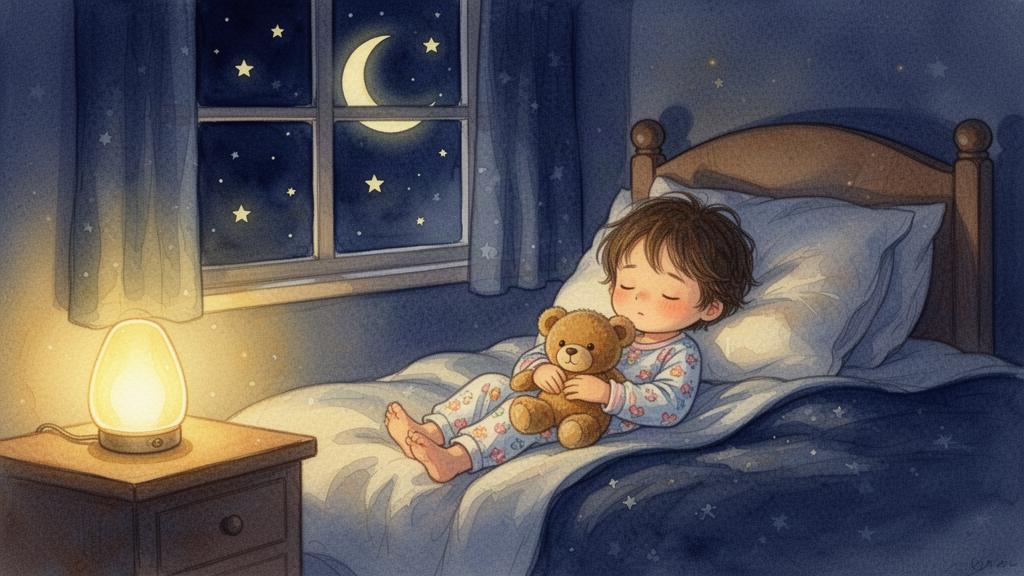
It is 2am, and a small voice is asking for a story. Learn why children wake in the night wanting stories, how to respond calmly without creating a new habit, and gentle ways to help everyone get back to sleep.
It is 2am. The house is dark and quiet, and then you hear it: a small, hopeful voice at the side of your bed. "Can I have a story?" You are exhausted, they are wide awake, and part of you is tempted to say yes if it means everyone gets back to sleep faster. Night-time story requests are very common among children aged two to eight, and they are rarely a sign that anything is wrong. With a calm, consistent approach, you can respond kindly without turning a 2am wake-up into a nightly event.
Why Children Ask for Stories in the Night
Before changing anything, it helps to understand what is really behind the request. A child who asks for a story at 2am is usually not asking for the story itself. They are asking for something the story represents.
Everyone wakes briefly during the night. Sleep moves in cycles of roughly 60 to 90 minutes for young children, and between cycles there is a light moment of surfacing. Most of us roll over and drift off again. Children who have learned to fall asleep with a story, a song or a parent nearby may notice the absence of that comfort and call out for it.
Stories mean connection. Bedtime storytime is often the calmest, closest part of your child's day. When they wake in the dark, asking for a story is a way of asking for that warmth again.
They may be working through something. A busy day, a worry, a nightmare or a change in routine can all make night waking more likely. If the wake-ups are new, think about what has changed recently.
Sleep associations are at play. If your child always falls asleep during a story, they may come to believe the story is what makes sleep happen. When they wake, they feel they need it to fall asleep again.
Check the Basics First
Before settling on a plan, rule out the simple causes of night waking:
- Temperature: Is the room too warm or too cold? Around 16 to 20°C is a good target.
- Light and noise: Is there a streetlight, an early bin lorry or a noisy pipe?
- Hunger or thirst: A small, balanced snack before bed can help some children sleep through.
- Toilet needs: Older toddlers who are newly out of nappies may simply need a quick trip.
- Bedtime timing: An overtired child often wakes more frequently. If bedtime has crept later, try bringing it forward by 15 minutes.
If your child is unwell, in pain, or the waking is sudden and intense, speak to your GP or health visitor.
How to Respond at 2am (Without Creating a New Habit)
The goal is to be warm and reassuring while keeping the night boring. A night wake-up should feel very different from bedtime so that your child learns the night is for sleeping.
1. Keep it calm, quiet and dim. Avoid turning on bright lights. Use a soft voice and keep your movements slow and gentle.
2. Acknowledge the feeling, not the request. Try: "I can hear you are awake. It is still sleepy time. I am right here." This tells your child they have been heard without starting a negotiation.
3. Offer a short, repeatable script. Children thrive on predictability. Choose a line you say every time, such as: "It is night-time. Stories are for the morning. Let's snuggle your teddy and close your eyes." Saying the same words in the same tone, night after night, is far more effective than a long explanation.
4. Walk them back to bed. If they have come to your room, guide them back to their own bed and tuck them in. Stay for a minute or two if they need it, then leave while they are calm but still awake.
5. Offer a "story promise" for the morning. For many children, the worry is that the story is being refused altogether. Say: "We will have a lovely story tomorrow night, and I will tell you a little bit in the morning too." This reassures them that nothing is being taken away.
6. Try a quiet, no-screen option if they truly cannot settle. A short, soft lullaby, a few slow breaths together, or an audio story played at a very low volume can work as a one-off, but be careful. If it happens every night, it can become part of the sleep routine. Use it as a bridge, not a permanent solution.
Strengthen the Evening So the Night Gets Easier
Most night-waking is solved at bedtime, not at 2am. A few small adjustments can make a big difference.
Let your child fall asleep in their bed, awake. If they drift off during the story every night, try finishing the story a few minutes earlier, giving a cuddle and a kiss, and leaving the room while they are drowsy but still awake. This helps them learn to fall asleep without a specific cue, so waking between cycles feels less alarming.
Make the story the end of the routine, not the sleep trigger. A good order is bath, pyjamas, teeth, story, then lights out. Keep the story calm and wind-down in tone, and finish it with a clear closing ritual, such as the same final sentence or a special goodnight phrase.
Give them a comfort object. A soft toy or a small blanket can act as a night-time companion when you are not there. You can even weave it into the story: "Teddy is going to keep watch while you sleep."
Use the story to talk about the night. Stories are a gentle way to prepare a child for the dark hours. A tale about a sleepy owl or a little star who waits for the morning can make the night feel friendly and safe. This is one place where a personalised story can help: with Dreamtime, you can create a story that features your child's name and favourite things and gently reassures them that sleep is cosy, the night is calm, and morning always comes.
Be Patient and Consistent
Changing a night-waking pattern takes time. Most children need at least one to two weeks of consistent responses before the wake-ups begin to fade, and it is normal for things to get a little worse before they get better. Try to agree on the plan with your partner so that whoever responds at 2am says the same thing in the same way.
Remember, too, that this phase will pass. A child who calls for a story in the night is a child who loves stories and loves you. With a calm, loving routine and a few gentle boundaries, the nights will become quieter, and the stories can stay where they belong: at the cosy, happy end of the day.
Give your child a new story every night
Dreamtime creates personalised bedtime stories with beautiful illustrations, tailored to your child, every single night.
Start your free trial →