Spotting the Sleep Window: How to Read Your Child's Tiredness Cues Before Bedtime Falls Apart
Dreamtime
15 November 2026
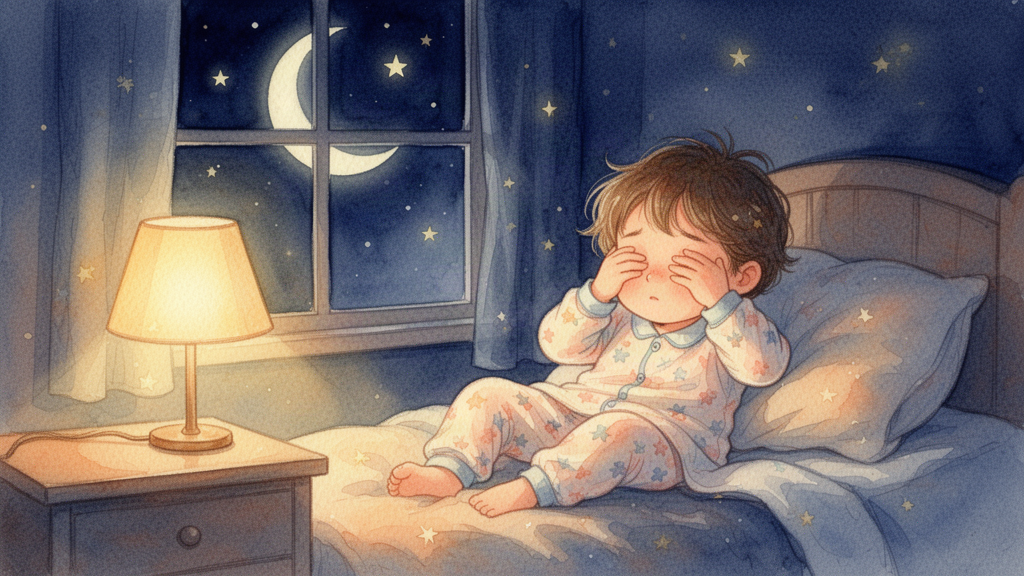
Ever wondered why bedtime goes smoothly some nights and turns into chaos on others? Often it comes down to timing. Learn the early signs of tiredness in children aged 2 to 10, and how to use them to catch the perfect sleep window.
Some nights, your child drifts off peacefully halfway through a story. Other nights, the exact same routine ends in tears, tantrums and a toddler (or a seven-year-old) bouncing off the sofa at 8.30pm. The difference is rarely your routine. More often, it's timing. Children have a natural sleep window, a short stretch when their body is ready to wind down, and if we miss it, sleep gets harder to find. The good news is that your child is already telling you when that window is open. You just need to know what to look for.
What Is the Sleep Window?
The sleep window is the period when your child's body clock and sleep pressure line up. Sleep pressure is the build-up of tiredness across the day, and your child's internal clock releases melatonin, the hormone that makes us drowsy, in the evening. When both are in place, falling asleep feels easy and natural.
If you start bedtime inside this window, your child tends to settle quickly. If you miss it, the body responds by releasing cortisol and adrenaline to keep going. This is the "second wind" many parents know well: suddenly your sleepy child is giggly, clingy, or running laps around the living room. It looks like energy, but it's really the body fighting tiredness.
The window usually lasts around 20 to 30 minutes, which is why catching it matters so much.
The Early Cues Most Parents Miss
Most of us know the obvious signs: yawning, rubbing eyes, going floppy. But by the time those appear, the window is often already closing. Look for the quieter early signals:
- Going quiet or still. A chatty child who suddenly stops talking or stares into space is often winding down.
- Losing interest in toys or play. If they drift from activity to activity without settling, tiredness may be the cause.
- Seeking comfort. Wanting a cuddle, sucking a thumb, or reaching for a favourite blanket are all early cues.
- Clumsiness. Tripping, dropping things or poor coordination can signal fading energy.
- Pale skin or dark circles. A slightly pale face or shadows under the eyes often show up before the yawns.
- Short temper. Sudden whining, frustration, or tears over small things is classic tired behaviour.
The late cues, the ones that tell you the window may have passed, include hyperactivity, silliness that tips into meltdown, and fierce resistance to anything you suggest.
How Cues Change by Age
Tiredness doesn't look the same at every age, so it helps to adjust what you watch for.
Ages 2 to 4: Toddlers and preschoolers tend to show tiredness physically and emotionally. Expect clinginess, rubbing eyes and ears, and sudden meltdowns. They also hit the "wired" stage quickly, so aim to start winding down at the first hint of grizzling.
Ages 5 to 7: School-age children often hide tiredness behind busyness. Watch for increased silliness, difficulty following instructions, and bickering with siblings. After a full school day, many are more tired than they realise.
Ages 8 to 10: Older children may insist they aren't tired at all. Look for irritability, trouble concentrating on homework, zoning out in front of screens, and slumped posture. Their window can also shift later as they approach the pre-teen years, so check in on what you're seeing rather than assuming last year's bedtime still fits.
How to Find Your Child's Window
Every child is different, so a little detective work pays off. Try this for a week:
- Keep a simple log. Note when your child wakes, any naps, and what time you see the first tiredness cues each evening.
- Look for patterns. You'll probably spot a consistent time, give or take 15 minutes, when the cues start.
- Work backwards. If cues appear around 7.15pm, begin your wind-down routine (bath, pyjamas, teeth) around 6.45pm, so lights-out lands right in the window.
- Adjust gently. If your child is regularly wired and wild before bed, try moving the whole routine 15 minutes earlier for a few nights and see what happens.
Remember that growth spurts, busy days, illness and changing seasons can all shift the window, so stay flexible.
Make the Wind-Down Match the Window
Once you've spotted the cues, you want to channel that fading energy into something calm rather than let it tip into overtiredness. A consistent, soothing sequence helps the body recognise that sleep is coming: dim the lights, lower your voice, and move into quiet activities.
Storytime is a brilliant anchor here because it naturally slows the pace. A story that is calm, familiar and just the right length helps a tired mind let go of the day. If your child's cues are showing and you want a story that fits right then, a personalised option can help. Dreamtime creates a fresh bedtime story each night using your child's name, age and interests, with gentle narration and watercolour illustrations, so you're never scrambling for something suitable when the window is open.
When Bedtime Still Feels Hard
If you've timed things well and your child still struggles to fall asleep, don't be discouraged. A few other things are worth checking:
- Daytime naps that run too late, or are too long, can push the window later.
- Bright light or screens in the hour before bed can delay melatonin.
- Hunger, discomfort or worry can all keep a tired child wide awake.
If problems persist for weeks, or your child seems excessively sleepy during the day, snores heavily or wakes frequently, it's worth mentioning to your GP or health visitor.
Trust What You See
You know your child better than any chart or clock. Learning to read their tiredness cues is less about getting it perfect and more about tuning in. Some evenings you'll catch the window beautifully, and others you'll miss it, and that's completely normal. Each night is a chance to notice a little more, adjust a little, and make bedtime feel softer for both of you. Before long, you'll spot that first sleepy sigh from across the room, and you'll know exactly when it's time for the story to begin.
Give your child a new story every night
Dreamtime creates personalised bedtime stories with beautiful illustrations, tailored to your child, every single night.
Start your free trial →