How to Help Your Child Stop Asking for the Landing Light On (Without a Nightly Negotiation)
Dreamtime
12 September 2026
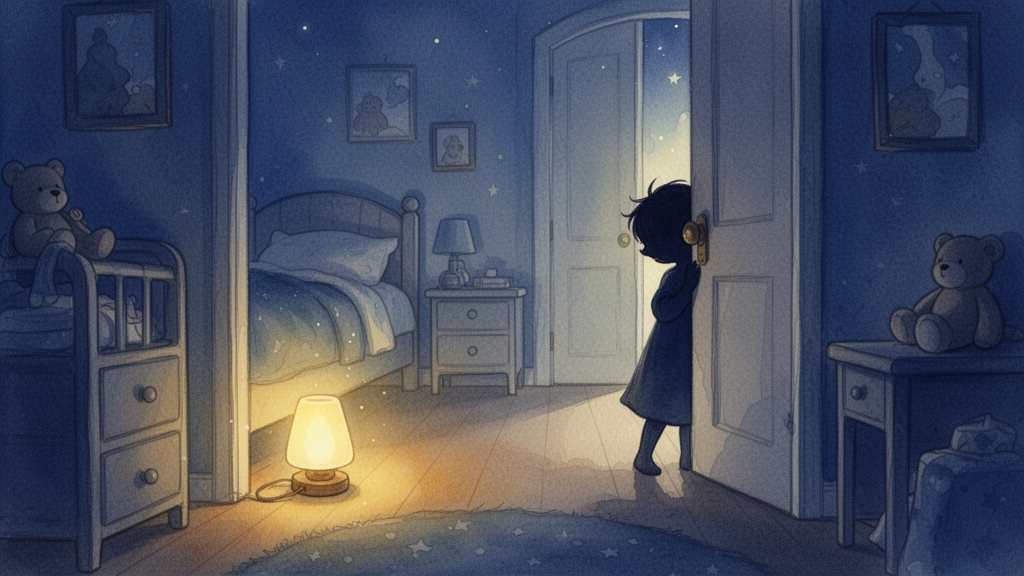
If your child insists the landing light stays on all night, you're not alone. Here's why this request is so common, and gentle, practical ways to help your child feel safe with less light over time.
Every parent knows the drill: teeth brushed, story read, tucked in, and then, just as you're about to sneak out the door, the request comes. "Can you leave the landing light on?" It seems small, but multiply it by every night for months and it starts to feel like a fixture you can't shake. The good news is that this is one of the most common bedtime requests there is, and there are gentle, effective ways to help your child feel secure without leaving every hallway lit up like a runway.
Why the Landing Light Feels So Important to Them
For young children, the landing light isn't really about the light itself. It's about the sense of connection it represents. A glow under the door or spilling through the gap means the rest of the house is still awake, still there, still safe. Darkness, on the other hand, can feel like disappearing into the unknown, especially for children between the ages of 2 and 7 whose imaginations are developing faster than their ability to distinguish fantasy from reality.
There's also a practical layer to it. Some children genuinely fear tripping in the dark if they need the toilet, or they simply find total blackness disorientating after a lifetime of sleeping in a room with some ambient light. Understanding that this request comes from a real, developmentally normal place makes it much easier to respond with patience rather than frustration.
Start With Small, Gradual Changes
Trying to switch straight from "landing light blazing" to "pitch black" rarely works and can backfire into bigger bedtime battles. Instead, aim for incremental shifts that your child barely notices:
- Dim before you remove. If you have a dimmer switch, lower the landing light gradually over a couple of weeks before turning it off completely.
- Move the light further away. Try swapping the landing light for a low, warm nightlight actually inside their room, positioned low to the ground rather than at eye level. This often satisfies the need for some glow while training them to sleep with softer light.
- Shrink the light source. Star projectors, plug-in nightlights, or a small lamp on a timer can replace a fully lit hallway with something cosier and more controllable.
- Use a fade-out timer. Some children do well with a light that dims automatically after 20 to 30 minutes, giving them the reassurance of light while they settle, without it running all night.
The goal isn't to remove comfort, it's to gently redefine what "enough light" looks like.
Build a Sense of Safety That Doesn't Depend on the Switch
Light is often a stand-in for a deeper need: feeling safe and unafraid. Addressing that underlying feeling makes the actual light less important over time.
Try talking through the layout of the house together during the day, when it's light outside and everything feels ordinary. Walk the route to the bathroom, name what's in the hallway, and let your child see that nothing changes when the sun goes down, it just looks different. This "daytime rehearsal" can take the mystery out of the dark hallway.
You can also give your child a sense of control. Let them choose their nightlight, pick where it goes, or decide whether the door is open a crack or fully. Involving them in the decision turns it from something being done to them into something they're actively managing, which builds confidence.
A comforting bedtime story can help enormously here too. Stories where a character faces the dark and feels brave, or where nighttime is shown as calm and magical rather than scary, quietly reshape how your child thinks about their own dark hallway. This is something Dreamtime does well: because each story is personalised with your child's name and interests, you can ask for a tale where they, as the hero, discover that nighttime isn't something to fear at all. Hearing themselves be brave in a story can translate into real courage at the bedroom door.
Handle the Pushback Without a Power Struggle
Some children will test the new arrangement, especially in the first week. Expect a bit of resistance and plan for it rather than being caught off guard.
- Validate, then hold the boundary. "I know you'd feel better with the big light on, and we're trying the small light instead so you can practise feeling brave." Acknowledging the feeling while keeping the plan steady helps avoid nightly renegotiation.
- Use a reward chart for small wins. A sticker for each night they settle with the new light setup can turn an anxious habit into something they feel proud of overcoming.
- Avoid sudden cold-turkey changes during stressful periods, like starting school, moving house, or a new sibling arriving. Save the transition for a calmer stretch.
- Check in during the day, not just at bedtime. Ask how the new light felt, what worked, what didn't. This takes the pressure off the actual moment of turning it off.
When to Let It Go for Now
If your child is going through a particularly anxious phase, or there's been a recent change like a house move or a scary experience, it's fine to pause the plan and simply keep the light on for a while. Sleep security matters more than winning the light battle on any given night. You can always return to gradual changes once things settle. This isn't a habit that needs urgent fixing, it's simply one that most families eventually want to soften as children grow more independent.
A Gentle Path Forward
Helping your child feel safe with less light isn't about being tougher on fear, it's about building genuine confidence, one small step at a time. With gradual changes, a bit of daytime preparation, and stories that model bravery in the dark, most children naturally start needing less and less light as they grow. Be patient with the process, celebrate the small wins, and remember that this phase, like so many others, is one your child will eventually outgrow, landing light and all. <illustration_prompt">A soft watercolour illustration of a cosy children's bedroom hallway at night, a small warm nightlight glowing gently near the floor, a child's silhouette peeking bravely around a doorway, soft blues and warm golden light tones.
Give your child a new story every night
Dreamtime creates personalised bedtime stories with beautiful illustrations, tailored to your child, every single night.
Start your free trial →