Creaks, Bangs and Bumps in the Night: How to Help Your Child Feel Safe When the House Makes Noises
Dreamtime
2 November 2026
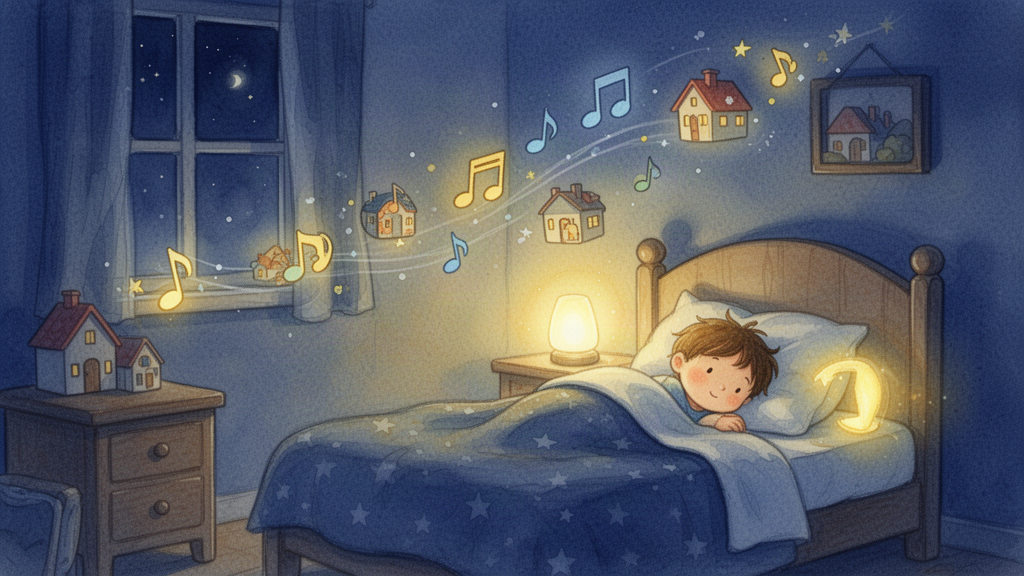
Boilers clunking, floorboards creaking, neighbours slamming doors: night-time noises can turn a calm bedtime into a worried one. Here is how to help your child understand the sounds around them and feel safe enough to drift off.
You have done the bath, the pyjamas, the story and the cuddle. The lights are off and the house is finally quiet, and then: clunk. The heating pipes tick. A floorboard creaks. Next door's car door slams. A small voice calls out from the darkness, "What was that?"
If your child gets worried by the sounds of the house at night, you are far from alone. Many children between the ages of 3 and 8 go through a phase of being unsettled by unexpected noises after lights out. The good news is that it is very manageable, and with a few gentle habits you can turn those mysterious sounds into something familiar and even comforting.
Why Night-Time Noises Feel So Big to Children
During the day, a house is full of background sound, so individual noises barely register. At night, everything goes quiet, and suddenly every small sound stands out. A child lying still in the dark with nothing else to focus on will notice things you would never hear at 2pm.
There is a developmental side to this too. Young children are still learning to tell the difference between harmless and threatening sounds. They also have vivid imaginations, which is wonderful in the daytime but can fill in the gaps at night. A creak on the stairs is not just a creak: it might be a visitor, a monster or something they cannot name.
Finally, sounds are unpredictable. A child can see a shadow and work out it is a coat on a hook, but a sound comes from nowhere. Not knowing the source is often what causes the worry, not the sound itself.
Make the Mystery Sounds Familiar in Daylight
The most effective approach is to introduce your child to the noises of your home while they are calm, curious and wide awake.
- Go on a sound safari. Walk around the house together and make the noises on purpose. Turn the heating on and listen to the pipes. Flush the toilet. Open and close the creaky door. Let your child be the detective who finds out what makes each sound.
- Give the noises names and explanations. "That's the boiler saying goodnight" is far less alarming than an unexplained clunk. Simple, factual explanations work best: wood expands a little as the house cools, pipes tick as water warms up.
- Talk about outdoor sounds too. Foxes, wind, passing cars, sirens and neighbours are all normal parts of the night. A quick chat on the way home from school ("I wonder if we'll hear the owl tonight") can make them feel expected rather than surprising.
When a sound has a name and a reason, it loses much of its power.
Respond Calmly When the Worry Comes at Night
Even with good preparation, your child may still call out. How you respond in that moment matters.
- Stay calm and matter-of-fact. Your tone tells your child whether to be concerned. A relaxed "That's just the heating, sweetheart" does more than a long reassurance.
- Acknowledge the feeling without feeding it. Try "That did sound loud, didn't it? It made you jump." Then follow with the explanation. Avoid searching the house with a torch, which can accidentally suggest there is something to find.
- Keep it short and boring. A brief, warm check-in followed by a gentle goodnight teaches your child that noises are not an emergency.
- Use a simple phrase. Many families like a little ritual such as, "House sounds are friendly sounds." Repeating the same words each time becomes a comforting signal to the brain.
If your child often needs reassurance, it can help to agree on one check-in. "I'll pop back in five minutes" gives them something to hold on to, and most children are asleep before you return.
Soften the Soundscape
You cannot silence a house, but you can change how the night sounds feel.
- Try gentle, consistent background sound. Soft white noise or a low, steady fan can mask sudden bumps so they stand out less. Keep it quiet and constant rather than loud.
- Choose the room layout wisely. If possible, move the bed away from a wall shared with a noisy boiler, a bathroom or the street.
- Keep the evening wind-down calm. A child who goes to bed already wound up, or who has just watched something exciting, is more likely to be jumpy. A slow, predictable routine helps their body feel settled.
- Check the basics. A comfortable temperature, a cuddly toy and a dim nightlight can all help a child feel secure enough to let small noises pass.
Use Stories to Turn Scary Sounds Into Friendly Ones
Stories are one of the gentlest ways to help children reframe something worrying. When a child hears about a character who also heard a strange noise, investigated it, and discovered something kind or funny, they get to rehearse bravery from the safety of their own bed.
You can make up your own: a little hedgehog who hears a tap-tap-tap and discovers it is the rain, or a sleepy bear who learns that the creaky stairs are just the house stretching. Keep the tone warm and the ending cosy, and always resolve the sound with a friendly explanation.
If you would like a little help, Dreamtime creates a brand-new bedtime story every night tailored to your child's name, age and interests. You could ask for a story where your child's favourite animal hears a mystery sound and solves it, complete with soothing narration and watercolour illustrations. It is a lovely way to make night noises part of a story your child feels in control of.
When to Seek Extra Support
Most noise-related worries pass as children grow and gain confidence. It is worth speaking to your GP or health visitor if the fear is intense, lasts for several weeks, leads to regular panic or significant sleep loss, or comes alongside other changes in mood or behaviour. Occasionally, children are sensitive to sound for reasons that benefit from a professional conversation, and getting advice early can be very reassuring.
Quiet Nights Are Built Slowly
Helping your child feel safe around night-time noises is not about removing every sound. It is about teaching them, bit by bit, that the sounds of home are familiar, explainable and nothing to fear. With daylight explorations, calm responses, a softer soundscape and a few comforting stories, those creaks and bumps will fade into the background.
Before long, the clunk of the heating might even become a sleepy little lullaby.
Give your child a new story every night
Dreamtime creates personalised bedtime stories with beautiful illustrations, tailored to your child, every single night.
Start your free trial →