How to Help Your Child Stop Dreading Bedtime After a Scary Movie or TV Show
Dreamtime
2 October 2026
When a scary scene from a film or show sneaks into your child's imagination, bedtime can suddenly become a battleground. Here's how to help your child process what they saw and feel safe again at night.
It usually happens out of nowhere. Your child watched something at a birthday party, a sleepover, or even just a few minutes of a trailer, and now they can't stop thinking about it. The lights need to stay on. They want to check under the bed three times. They ask you to "just sit here a bit longer" because they're scared of what might be lurking in the shadows. A single scary image from a screen can lodge itself in a young child's mind and turn bedtime into a nightly negotiation.
This is incredibly common, and it's not a sign you've done anything wrong. Children's brains, especially between ages 2 and 10, are still learning to separate fantasy from reality, and vivid visual media can feel much more real and much more frightening than a story told aloud or read from a book. The good news is there are concrete, gentle steps you can take to help your child feel safe again, often within just a few nights.
Why Screens Scare Kids More Than Books Do
When a child reads or listens to a scary story, their brain fills in the details itself, often in a way they can manage because they're in control of the pacing and the imagery. A scary movie or show, on the other hand, delivers fully-formed, often loud and fast-moving images straight to a child's brain with no buffer. There's no pause to process, no gentle narrator's voice to soften it, and no control over what they see next.
Younger children especially struggle with something psychologists call "the suspension problem": they understand a story is pretend while it's happening, but the fear response still fires anyway, and it tends to linger well after the screen turns off. This is why a cartoon villain or a jump scare in a "kids'" film can cause real, lasting anxiety, even if the show was rated for their age group.
Don't Dismiss It, But Don't Dramatise It Either
The instinct to say "it's not real, don't worry about it" is understandable, but it rarely helps. To your child, the fear is very real, even if the monster isn't. Instead, try acknowledging the feeling directly: "That part sounds like it was really scary. I can see why you're thinking about it."
At the same time, avoid over-dramatising the incident by asking endless questions about what exactly scared them or acting alarmed yourself. Children take emotional cues from the adults around them, so a calm, matter-of-fact tone helps signal that this is a manageable feeling, not an emergency.
Give the Fear Somewhere to Go
Vague fear is much harder for a child to handle than fear with a shape and a name. Try these strategies to help your child externalise and process what they saw:
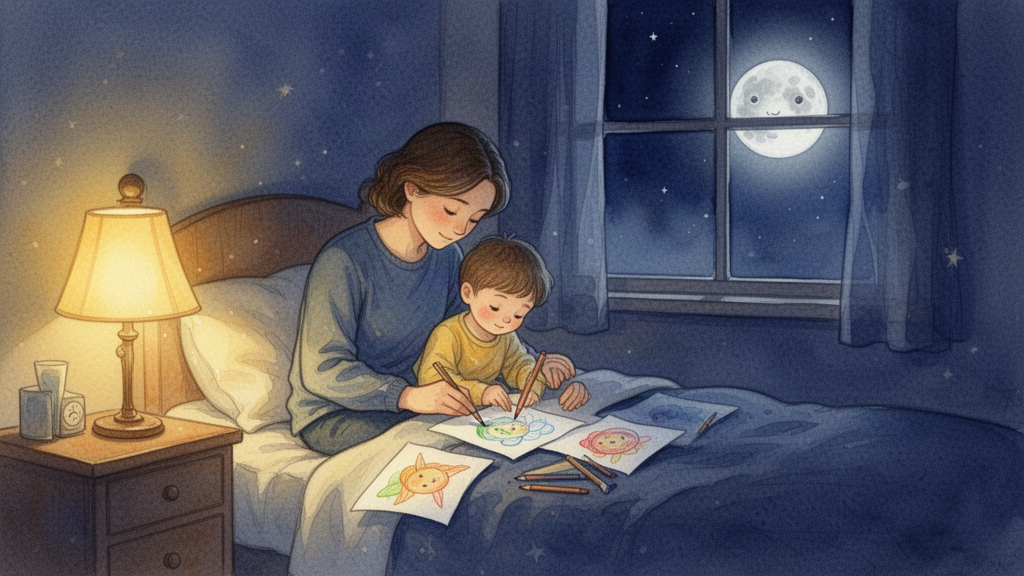
- Draw it out. Ask your child to draw the scary character or scene, then draw themselves as bigger, stronger, or with a funny weapon like a giant tickle stick. This simple act of creative control can defuse a lot of the emotional charge.
- Rewrite the ending. Talk through what could have happened differently. Could the "monster" have just been lonely? Could the hero have made a joke instead of fighting? Letting your child reshape the narrative puts them back in the driver's seat.
- Name the feeling, not just the monster. Instead of only talking about what scared them, talk about the feeling itself: "That jumpy, tight feeling in your tummy is called fear, and everybody gets it sometimes, even grown-ups."
- Avoid a screen replay right before bed. Steer clear of rewatching clips, even "funny" ones, in the hour before bedtime. The goal is to let your child's nervous system settle, not re-trigger it.
Rebuild a Calm Bedtime Routine
Once the initial fright has been acknowledged, the next job is to rebuild a sense of safety and predictability at bedtime. A few small but powerful changes can help:
- Return to a familiar, cosy routine. Same bath time, same pyjamas, same order of events. Predictability is deeply calming for an anxious brain.
- Do a "safety check" together. Let your child lead a quick tour of their room, checking the wardrobe, under the bed, behind the curtains. Doing this with you once or twice (rather than every single night) can help them feel capable of reassuring themselves later.
- Swap scary content for gentle, controlled stories. This is a good moment to lean into calm, age-appropriate stories rather than anything with suspense or surprise. A story where your child is the brave, clever hero, rather than the frightened bystander, can be especially powerful for rebuilding confidence at night.
This is one of the areas where Dreamtime can genuinely help. Because every story is generated fresh and tailored to your child's name, age, and interests, you can steer the tone exactly where you need it, gentle, warm, and free of anything unexpected. If your child loves space or animals but is currently wary of anything spooky, you can ask for exactly that: an adventure with no scary surprises, where they're the confident one in charge.
Know When It's More Than a Phase
Most children bounce back from a scary movie moment within a few days to a week, especially with a calm, consistent response from parents. But keep an eye out for signs that it's becoming something bigger, such as:
- Frequent nightmares lasting more than two weeks
- New fears spreading to unrelated situations (school, being alone in any room, car journeys)
- Regression in other areas, like toilet training or separation anxiety
- Physical symptoms like stomach aches or trouble falling asleep most nights
If these persist, it's worth mentioning to your GP or health visitor, who can suggest further support. For the vast majority of children though, a bit of patience, a predictable routine, and some gentle creative processing is all it takes to turn the lights back down to normal.
A Gentle Reminder for Tired Parents
If your child has recently been spooked by something they saw on a screen, know that this is a completely normal part of growing up and learning to understand big feelings. With a little extra warmth, some creative processing, and a calm, familiar bedtime routine, most children find their way back to feeling safe within a week or two. Bedtime will feel ordinary again before you know it, and in the meantime, you're teaching your child something valuable: that scary feelings can be named, understood, and gently put back in their place.
Give your child a new story every night
Dreamtime creates personalised bedtime stories with beautiful illustrations, tailored to your child, every single night.
Start your free trial →