How to Help Your Child Stop Kicking Off the Covers All Night (And Actually Stay Warm)
Dreamtime
20 September 2026
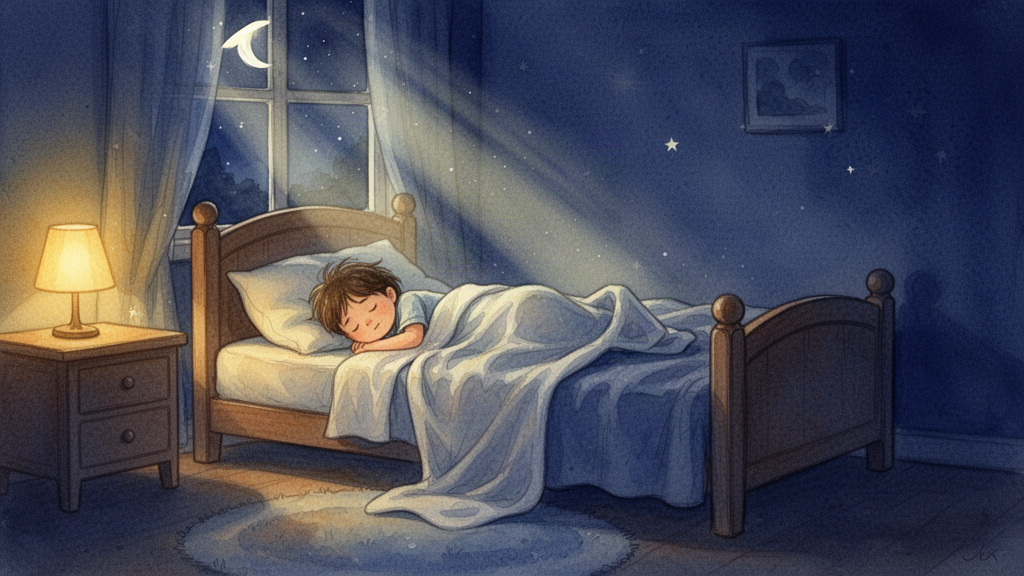
If you're forever tiptoeing in to re-cover a child who's kicked their duvet onto the floor, you're not alone. Here's why kids do it, and the practical fixes that actually help them stay warm and asleep all night.
You tuck them in. You smooth the duvet just the way they like it. You tiptoe out feeling like you've nailed bedtime. Then two hours later you creep back in to check on them, only to find the duvet in a heap on the floor, one sock missing, and your child spread-eagled like a starfish in nothing but pyjama shorts. If this is your nightly routine, you're far from alone. Covers-kicking is one of the most common (and most puzzling) bedtime mysteries parents face, and while it can feel like your child is simply determined to freeze, there's usually a very logical explanation behind it.
The good news is that once you understand why it happens, there are some genuinely effective ways to help your child stay warm and settled through the night, without the 2am cover-replacing mission.
Why Children Kick Off Their Covers
Kids move a lot more in their sleep than adults do. Studies on children's sleep patterns show that younger children spend more time in lighter sleep stages and shift position far more frequently through the night, sometimes dozens of times. Every roll, stretch and wriggle is a chance for the duvet to end up somewhere near the ceiling fan instead of on the bed.
There's also a temperature regulation piece at play. Children's bodies run warmer than adults' and their internal thermostats are still developing. A child who feels too hot will instinctively push covers away in their sleep, even if the room feels perfectly cool to you. Add in the fact that many children go to bed in cosy fleece pyjamas under a thick duvet, and it's no wonder they're overheating and shedding layers by midnight.
Finally, some children simply find a heavy or tucked-in duvet restrictive. If your child likes to sleep with their arms free or in unusual positions, a snugly tucked-in cover might be fighting against their natural sleep style from the moment you close the door.
Get the Room Temperature Right
Before you troubleshoot anything else, check the thermostat. The ideal bedroom temperature for children's sleep is generally between 16 and 20°C (60 to 68°F). A room that's too warm is one of the biggest reasons children throw off their covers altogether, so a room thermometer can be a surprisingly useful bedtime tool. If you're not sure whether your child's room runs warm, place a simple thermometer on their bedside table for a few nights and see what the temperature looks like when they wake up sweaty or cold.
Ceiling fans, cracked windows, and breathable curtains can all help keep a room from getting stuffy overnight, especially in the warmer months when covers-kicking tends to spike.
Rethink Layers Instead of One Big Duvet
Rather than relying on a single thick duvet, try building a layered system your child can adjust themselves, or that works even when they can't. A lightweight blanket under a slightly heavier one gives you more flexibility than one all-or-nothing option. If your child tends to run hot, a breathable cotton or bamboo duvet with a lower togs rating will keep them comfortable without overheating.
Pyjamas matter here too. Lightweight, breathable cotton pyjamas are usually a better bet than fleece, even in winter, if paired with appropriate bedding. Overdressing a child for bed is one of the most common causes of restless, cover-kicking sleep.
Try a Sleep Sack or Weighted Blanket
For younger children (roughly ages 2 to 6, always check weight and safety guidelines for your child's age), a wearable sleep sack can be a genuine game-changer. Because it's worn rather than laid on top of the body, it can't be kicked off in the same way a loose duvet can. Many parents find that once they switch to a sleep sack, the midnight cover-replacing missions simply stop.
For slightly older children, a weighted blanket (used safely and appropriately for their age and weight) can also help. The gentle, even pressure can be calming and tends to stay put better than a lightweight duvet, though it's worth checking with your GP or health visitor before introducing one, particularly for children under 4 or those with any medical conditions.
Build a Wind-Down Routine That Encourages Stillness
A child who goes to bed overtired, overexcited or overstimulated is more likely to toss, turn and fling covers around than one who drifts off calmly. A predictable wind-down routine, dim lighting, and a calm activity like a bedtime story all help signal to the body that it's time to slow down, which in turn tends to mean less thrashing about once they're actually asleep.
This is where a calming, consistent story routine earns its keep. Many parents find that a short, soothing story read in a dim room helps their child settle into a stiller, calmer sleep than screen time or an overstimulating game ever could. Apps like Dreamtime, which generate a new personalised story each night featuring your child by name, can be a lovely way to build this wind-down habit, giving your child something to look forward to that also helps their body ease into rest mode rather than revved-up wriggling.
When to Not Worry About It
It's worth remembering that some covers-kicking is completely normal and not a sign that anything is wrong. Children move around a lot in their sleep, and as long as they're not waking up cold, distressed, or with disrupted sleep, an uncovered child who's otherwise sleeping soundly may simply have found their own comfortable way to rest. The goal isn't a perfectly still, perfectly tucked-in child all night, it's a child who's warm enough, comfortable enough, and sleeping well.
A Gentler Night Ahead
Covers-kicking can feel like a small thing, but disrupted sleep (yours from checking on them, and potentially theirs from getting cold) adds up over time. With the right room temperature, breathable layers, and a calming bedtime routine in place, most children settle into steadier, warmer sleep without you needing to become a nightly duvet-replacement service. Give a few of these changes some time to bed in, quite literally, and you may find those 2am check-ins become a thing of the past.
Give your child a new story every night
Dreamtime creates personalised bedtime stories with beautiful illustrations, tailored to your child, every single night.
Start your free trial →