Itchy at Bedtime: How to Help Your Child Sleep When Eczema or Dry Skin Keeps Them Scratching
Dreamtime
8 November 2026
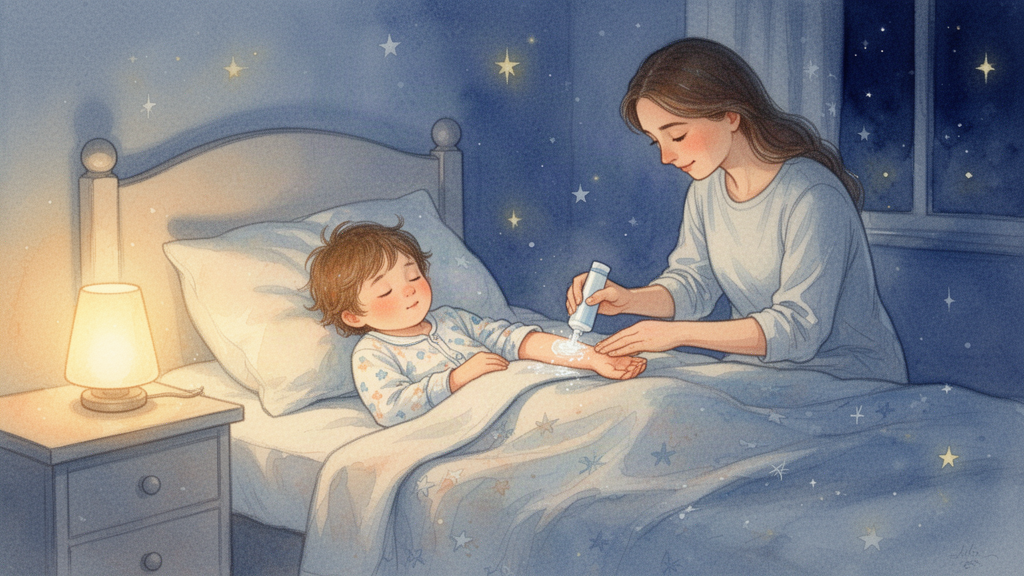
Eczema and dry skin tend to flare up at night, leaving children scratchy, restless and exhausted. This gentle guide covers evening skincare, bedroom tweaks and calming bedtime habits that can help your child settle and sleep more comfortably.
You have done the bath, the pyjamas and the story, and your child is finally tucked in. Then the wriggling starts. A scratch here, a rub there, a sleepy whimper of "it's itchy." If your child has eczema or very dry skin, bedtime can feel like a nightly tug of war between tiredness and discomfort, and it is exhausting for both of you.
You are not imagining it: itchy skin really does get worse at night. The good news is that a few small changes to your evening routine and your child's bedroom can make a real difference. (This post offers general parenting guidance. If your child's skin is cracked, weeping, infected or not improving, do speak to your GP, health visitor or pharmacist.)
Why Itching Gets Worse at Night
There are a few reasons the scratching ramps up just when you want calm:
- Body temperature rises as we settle into bed. Warmth makes skin itchier, and a cosy duvet can quickly tip a child from comfortable to prickly.
- Skin loses more moisture overnight. The skin's natural barrier is less effective in the evening hours, so dry skin dries out further.
- There are no distractions. During the day, play and friends keep minds busy. In a quiet, dark bedroom, itchiness is all your child can think about.
- Natural hormone shifts. The body produces less of its own anti-inflammatory hormones at night, which can make flare-ups feel stronger.
Understanding this can help you stay patient. Your child is not stalling or being dramatic. They are genuinely uncomfortable, and tired children find itching much harder to ignore.
Build a Skin-Soothing Evening Routine
A consistent routine is your best tool, and it fits neatly into the wind-down you probably already have.
Keep baths short and lukewarm. Hot water strips natural oils from the skin. Aim for 5 to 10 minutes in comfortably warm water, using a fragrance-free wash or emollient wash substitute rather than bubble bath.
Moisturise straight after. Pat your child dry gently (no rubbing) and apply a generous layer of emollient within a few minutes, while the skin is still slightly damp. This helps lock in moisture. Use whatever your GP or pharmacist has recommended, and apply it in downward strokes in the direction of hair growth.
Make it part of the fun. Many children resist creams because they feel cold or sticky. Try warming the moisturiser in your hands first, letting your child "paint" it on a favourite toy, or turning it into a calm, cuddly massage. Done slowly, it can become one of the most soothing parts of the evening.
Allow time. Rushing a skincare routine often means skipping it. Build in an extra ten minutes so it never feels like a chore squeezed in before lights out.
Set Up the Bedroom for Comfort
Small environmental tweaks can reduce night-time scratching:
- Keep the room cool. Slightly cooler than you think is usually best, around 16 to 18 degrees Celsius, with layers that are easy to remove.
- Choose soft, breathable fabrics. Cotton pyjamas and bedding are gentler than synthetics or wool. Check labels and cut out scratchy tags.
- Wash bedding in fragrance-free detergent. Skip fabric softener, which can irritate sensitive skin, and rinse thoroughly.
- Trim nails short. Smooth, short nails limit damage from unconscious scratching. Soft cotton mittens or scratch-proof sleepsuits can help for younger children.
- Consider dust and pets. If dust mites or pet dander seem to trigger flare-ups, regular washing of bedding and keeping soft toys to a minimum in the bed can help.
Give Busy Minds Something Else to Focus On
Even with perfect skincare, a few itchy moments are likely. What your child does with their attention matters a great deal, because itching feels stronger the more you notice it.
Teach a scratch alternative. Gently pressing, patting or squeezing the itchy spot is kinder to skin than scratching. A cool, damp cloth or a soft cuddly toy to squeeze can also help.
Use calming focus. Slow "balloon breathing" (breathe in to fill the tummy, out to let the air go) gives anxious little minds a job to do and relaxes the body.
Lean on storytelling. A gentle story gives your child something absorbing to listen to, which can pull attention away from the itch and lull them toward sleep. Choose calm, slow-paced tales with soothing imagery, such as cool streams, soft clouds or snowy forests, rather than anything exciting or action-packed.
This is one of the places a personalised story can really shine. With Dreamtime, you can create a brand-new story each night featuring your child's name and favourite things, with narration so you can sit beside them applying cream or holding their hand while the story plays. Many parents find that a story their child feels is truly theirs holds attention far better than a familiar book they have heard a dozen times.
Look After the Emotional Side Too
Chronic itching is tiring and can make children feel cranky, anxious or self-conscious. Some children begin to dread bedtime because they associate it with discomfort.
- Acknowledge how they feel. Simple phrases like "I know it's itchy, that's really annoying. Let's help it feel better" validate their experience without feeding worry.
- Avoid scolding for scratching. Nagging adds stress, and stress can trigger more itching. Focus on gentle redirection instead.
- Praise the routine, not the results. Celebrate that they let you put cream on or tried their breathing, rather than whether they scratched.
- Keep a short note of flare-up triggers. Patterns around foods, soaps, weather or stress can help you and your doctor adjust the plan.
When to Seek Extra Help
Speak to your GP or pharmacist if your child's sleep is regularly disrupted, the skin looks infected (yellow crusting, oozing or painful), over-the-counter emollients are not helping, or you suspect a food or environmental trigger. There are stronger treatments and tailored advice available, and you should never feel you have to cope alone.
Small Steps, Softer Nights
Helping a child sleep with eczema or itchy skin is rarely about one big fix. It is a collection of small, kind habits: a lukewarm bath, a generous layer of moisturiser, a cool room, soft pyjamas and a calming story to carry them off. Some nights will still be bumpy, and that is completely normal. Keep the routine steady, stay gentle with your child (and yourself), and comfortable, restful nights will come more often than not.
Give your child a new story every night
Dreamtime creates personalised bedtime stories with beautiful illustrations, tailored to your child, every single night.
Start your free trial →