Blocked Nose at Bedtime: How to Help Your Child Sleep Comfortably When They Have a Cold
Dreamtime
14 November 2026
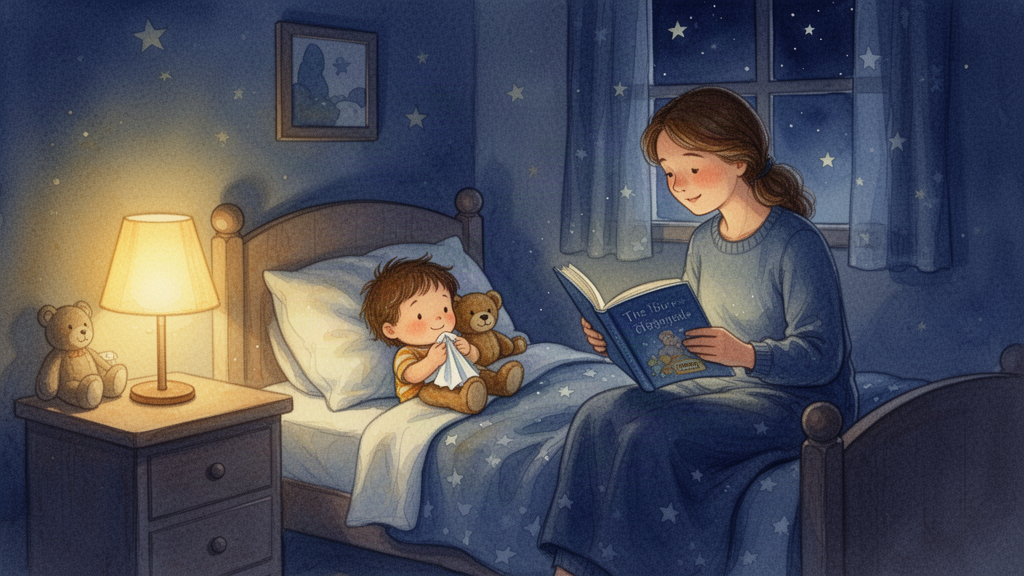
A snuffly, blocked nose can turn a calm bedtime into a long, grumpy night for everyone. Here are gentle, practical ways to help your child breathe easier, settle faster and get the rest their body needs while they fight off a cold.
It is 8pm, your child is tucked up in bed, and the snuffling begins. A blocked nose makes it hard to breathe, hard to relax, and very hard to fall asleep. Little ones do not understand why they cannot just "breathe normally", and they often become fretful, clingy or wide awake just when you were hoping for a quiet evening. Children catch an average of several colds every year, so most parents will face this bedtime challenge again and again. The good news is that a few simple, gentle steps can make nights with a cold far more comfortable for everyone.
Why a Blocked Nose Feels Worse at Night
If your child seems much more congested at bedtime than during the day, you are not imagining it. When we lie flat, mucus does not drain as easily, and blood flow to the nasal passages increases slightly, which can make swelling worse. There are also fewer distractions at night. During the day, your child is busy playing and barely notices their nose. In a quiet, dark bedroom, every sniffle and stuffy breath feels louder and more uncomfortable.
Young children, especially babies and toddlers, are also more affected because their nasal passages are tiny. Even a small amount of mucus can make breathing feel difficult. Understanding this can help you stay patient when your child is restless. They are not being difficult. They are genuinely uncomfortable.
Simple Ways to Clear the Way Before Bed
You do not need much equipment to help your child breathe more easily. Try these gentle approaches as part of your wind-down:
- Steam from a warm bath or shower. A warm bath before bed can loosen mucus and relax tired muscles. Sit in the bathroom with the door closed and the shower running for a few minutes if a full bath is too much.
- Saline drops or spray. Salt water nasal drops are widely recommended for children because they thin mucus and make it easier to clear. Follow the instructions on the packaging for your child's age, and ask your pharmacist if you are unsure which product to choose.
- Blowing or wiping the nose. For older children, teach them to blow one nostril at a time, gently. For younger ones, a soft tissue and a little patience work best.
- Plenty of fluids during the evening. Staying hydrated helps keep mucus thinner. Offer water or a warm, caffeine-free drink earlier in the evening so you are not creating extra night-time toilet trips.
- A little extra air moisture. Dry air can irritate a sore nose and throat. A bowl of water near (not on) a radiator can help, but avoid anything with hot water or steam that a child could reach or knock over.
Always check with your pharmacist or GP before giving any medicine, and remember that many over-the-counter cold remedies are not suitable for young children.
Setting Up the Bedroom for Easier Breathing
Small changes to the sleep space can make a real difference:
Raise the head slightly, only if it is safe. For children over the age of one, a firm, flat pillow may help older children breathe a little easier. Do not put pillows or wedges in a cot with a baby or toddler, and never prop up an infant to sleep. Safe sleep guidance for babies should always come first.
Keep the room comfortable, not hot. Overheating can make a child feel more congested and restless. A cool, comfortable room is usually best, with light, breathable bedding.
Keep the air clean. Dust, pet hair and strong smells can all irritate a sore nose. A quick tidy and a freshly washed pillowcase can help.
Have tissues and a bin within reach. For older children, a box of tissues by the bed means they can sort themselves out without calling for you every few minutes.
Keeping Bedtime Calm When Your Child Feels Rotten
Physical comfort is only half the story. A poorly child often wants extra reassurance, and a blocked nose can make them anxious about not being able to breathe properly. Gentle emotional support matters just as much as the nasal drops.
Keep the routine, but soften it. Familiar steps like pyjamas, teeth, a cuddle and a story tell your child that bedtime is safe and predictable, even when they feel unwell. You might shorten the routine slightly, but try not to scrap it entirely.
Offer calm, low-energy activities. Choose a quiet story, soft music or a few slow breaths together. Try the "smell the flower, blow out the candle" breathing game, which encourages slow, calm breaths and gives your child something to focus on besides their nose.
Reassure them honestly. Something like, "Your nose is blocked because your body is fighting the cold. It will get better, and I am right here," can be very comforting.
Expect a slightly rougher night. Your child may wake more often, and that is normal. Responding calmly and briefly, with a sip of water, a quick tissue and a cuddle, helps them drop back off more easily.
On nights like these, a story can do a lot of heavy lifting. A gentle, familiar tale takes your child's mind off how they feel and helps their body relax. If you would like something a little special, Dreamtime creates a brand-new personalised story each night, using your child's name and interests, with soft watercolour illustrations and calm narration. It can be a lovely way to give a snuffly child something cosy to focus on while you stay close.
When to Call the Doctor
Most colds clear up on their own within a week or so, but it is important to know when to seek advice. Contact your GP or call NHS 111 if your child:
- Has difficulty breathing, is breathing very fast, or you can see the skin sucking in around their ribs
- Has a high temperature that does not come down, or a fever lasting more than a few days
- Is unusually drowsy, floppy or hard to wake
- Is refusing fluids or has fewer wet nappies or toilet trips than usual
- Has ear pain, or the cold seems to be getting worse after a week
- Is a baby under three months with any signs of illness
If you are ever worried, trust your instincts and get advice. You know your child best.
Be Kind to Yourself, Too
Sleepless nights with a poorly child are exhausting, and it is easy to feel frustrated when bedtime takes twice as long as usual. Remember that this is temporary. Rest, comfort and closeness are exactly what your child needs, and a few slower evenings will not undo all your hard work with their routine. Once the cold clears, you can gently return to your usual rhythm.
A blocked nose may make bedtime bumpy for a few nights, but with a little steam, a few saline drops, a calm room and plenty of cuddles, your child can find their way to sleep. Soon enough, the sniffles will pass and bedtime will feel peaceful again.
Give your child a new story every night
Dreamtime creates personalised bedtime stories with beautiful illustrations, tailored to your child, every single night.
Start your free trial →