How to Help Your Child Stop Using Bedtime as a Stage for Big Feelings (Tantrums, Tears and Meltdowns Explained)
Dreamtime
14 August 2026
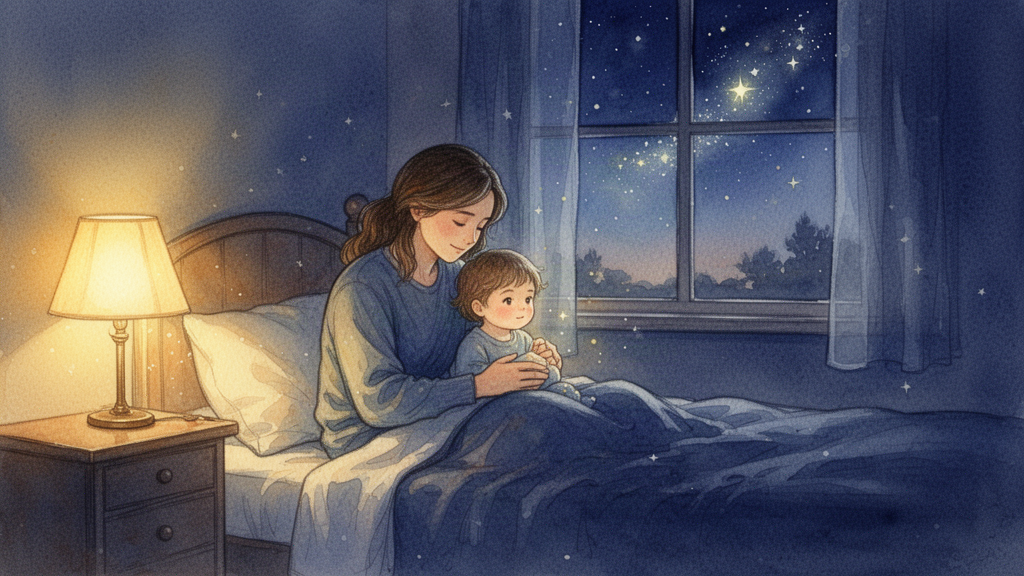
Bedtime meltdowns can feel like they come out of nowhere, but they're rarely really about pyjamas or the "wrong" cup. Here's why big emotions surge at the end of the day and a practical, step-by-step approach to help your child (and you) get through it calmly.
If you've ever wondered why your calm, cheerful child seems to transform into a sobbing, screaming bundle of fury the second the bath drains or the lights dim, you're not alone. Bedtime tantrums are one of the most common — and most exhausting — parenting challenges, and they can strike even children who've never shown a hint of a meltdown all day. The good news is that these evening explosions almost always have a logical explanation, and once you understand what's driving them, you can respond in a way that actually helps rather than escalates the situation.
Why Bedtime Is a Meltdown Magnet
Bedtime sits at the exact intersection of everything that makes emotional regulation hard for young children. By the end of the day, your child has used up most of their supply of patience, flexibility and self-control — psychologists sometimes call this "ego depletion," but parents just call it "running on empty." Add in the natural dip in blood sugar before dinner has fully digested, the drop in stimulation as the busy day winds down, and the low-level dread some children feel about separating from you for the night, and you have the perfect storm.
Crucially, bedtime is also often the first quiet moment your child has had all day. Without the distraction of school, screens or play, difficult feelings that have been bubbling under the surface — a friendship squabble, a telling-off, a worry about tomorrow — finally have room to surface. The meltdown about the "wrong" blanket is rarely about the blanket at all.
Spot the Difference: Tiredness, Testing, or Big Feelings
Not all bedtime meltdowns are the same, and figuring out which type you're dealing with helps you respond well.
- Overtired meltdowns tend to be sudden, intense, and slightly irrational — your child might cry over something trivial and then struggle to even explain what's wrong. These usually need calm, quiet, low-stimulation comfort rather than problem-solving.
- Testing-the-boundary meltdowns often ramp up gradually and include a lot of watching your reaction. These respond best to warm, firm consistency — acknowledging the feeling while holding the routine steady.
- Emotional processing meltdowns tend to come with real tears and specific words ("I don't want to go to school tomorrow," "Jamie wasn't nice to me"). These need listening more than fixing.
You'll get better at telling these apart the more you watch for them, and that alone makes the nightly chaos feel less random and more manageable.
A Calmer Way Through the Storm
When a meltdown hits, your instinct might be to reason, bargain or discipline your way out of it. Unfortunately, a child in full meltdown mode is not in a state to process logic — the emotional part of the brain has temporarily taken over from the rational part. Here's what tends to work better:
- Get low and get quiet. Crouch to their level, soften your voice, and resist the urge to match their volume or urgency.
- Name the feeling, not the behaviour. Try "You're really upset right now" instead of "Stop shouting." This helps children feel understood rather than judged, which often de-escalates faster.
- Offer comfort before conversation. A hug, a hand on the back, or simply sitting nearby communicates safety. Save the "what happened?" chat for once the storm has passed.
- Hold the boundary gently. You can be warm and still keep bedtime happening. "I know you don't want pyjamas on, and pyjamas are happening" is calm, kind, and clear.
- Wait for the dip before you talk it through. Once the crying softens, that's your window to ask what's really going on, if anything is.
Preventing the Meltdown Before It Starts
While you can't eliminate every bedtime meltdown, you can reduce how often they happen by addressing the root causes earlier in the evening.
- Start winding down sooner than you think you need to. Many meltdowns are simply overtiredness catching up with a child who's been running on adrenaline. Begin the calm-down process 45–60 minutes before lights out.
- Give a gentle heads-up, not a surprise. "In ten minutes it'll be time for pyjamas" prepares a young nervous system for transition far better than an abrupt switch.
- Build in a feelings check-in. A simple question like "did anything tricky happen today?" asked during a calm moment (bath time, brushing teeth) can let big feelings out before they build to boiling point.
- Keep the final stretch predictable. Children who feel overwhelmed often crave certainty. A consistent sequence — bath, pyjamas, teeth, story, cuddle, lights out — gives their nervous system something steady to hold onto.
This is where a calming, familiar storytime ritual earns its keep. Many parents find that a gentle, personalised story provides exactly the kind of soothing, predictable landing pad a wound-up child needs — something to look forward to that isn't a negotiation. In the Dreamtime app, each night's story is built around your own child's name, age and interests, so it becomes a comforting, expected part of the routine rather than one more decision to fight over. For a child who's spent all day holding it together, hearing themselves gently written into a calm adventure can be just the emotional reset they need before sleep.
Be Kind to Yourself, Too
It's worth remembering that bedtime meltdowns are a sign of a child who trusts you enough to fall apart in front of you — not a sign that you're doing something wrong. Every child, no matter how easy-going, will have hard evenings. What matters most isn't a perfectly tantrum-free bedtime, but a consistent, warm response that tells your child, night after night: even your biggest feelings are safe with me. With time, patience and a routine that protects your child from getting too overtired in the first place, those stormy evenings will become fewer and further between — and the calm ones will start to feel like the norm.
Give your child a new story every night
Dreamtime creates personalised bedtime stories with beautiful illustrations, tailored to your child, every single night.
Start your free trial →