How to Choose the Right Bedtime Story Length for Your Child's Attention Span
Dreamtime
8 August 2026
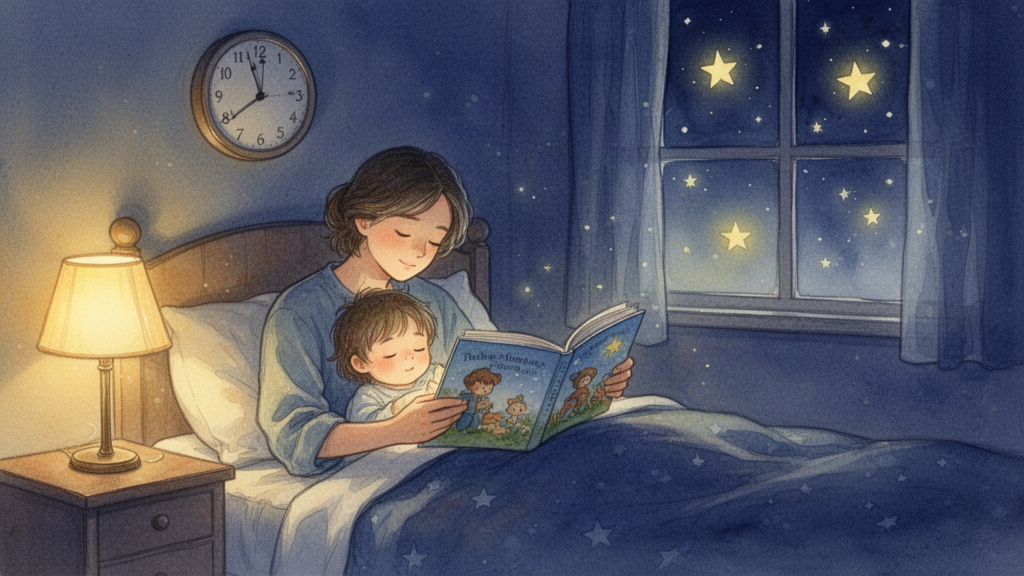
Too short and your child feels short-changed; too long and they're wriggling before the middle. Here's how to match story length to your child's real attention span, at every age and energy level.
Every parent has lived through both versions of this scene: the night the story is too short and your child protests before you've even closed the book, and the night it's too long and they're rolling around, poking their sibling, or asking "is it nearly finished?" halfway through. Story length isn't just a matter of convenience — it's closely tied to your child's attention span, which shifts constantly as they grow, and even from day to day depending on how tired or wound up they are. Getting the length right can be the difference between a peaceful drift into sleep and a frustrating battle to keep everyone still.
The good news is that attention span at bedtime isn't a fixed number you need to memorise. It's a moving target you can learn to read — and once you do, choosing (or telling) the right length of story becomes second nature.
Why Story Length Matters More Than You Think
A story that's too long asks a tired brain to do more work than it has energy for. As focus fades, children start fidgeting, interrupting, or zoning out — not because they're not enjoying it, but because sustained listening is a skill that's still developing. On the other hand, a story that wraps up too quickly can leave a child feeling unsatisfied, which often shows up as "one more story!" pleading, stalling, or a sense that bedtime was rushed.
The sweet spot is a story that fits comfortably within your child's current listening capacity, with just enough room to build a small sense of anticipation and resolution. That's what makes a story feel complete rather than abrupt or endless.
A Rough Guide by Age
These are starting points, not rules — every child is different, and the right length can vary by mood and day. But they're a useful baseline:
- Ages 2–3: 3–5 minutes. Simple, repetitive language, familiar characters, and a predictable structure work best. Attention at this age is short and easily broken by big plot twists or too many new ideas at once.
- Ages 4–5: 5–8 minutes. Children this age can follow a simple beginning-middle-end arc and enjoy a bit of gentle suspense, as long as it resolves warmly.
- Ages 6–7: 8–12 minutes. This is often when children can sit through a story with a few more characters or a subplot, especially if it connects to their own interests.
- Ages 8–10: 10–20 minutes, or a chapter of a longer book. Many children this age are ready for serialised stories that continue night after night, which can actually help them settle into bedtime because they know what to expect.
The key is to treat these as flexible ranges. A wired, overtired four-year-old might only manage three minutes tonight, even if they usually love an eight-minute story.
Reading the Signs in the Moment
Rather than sticking rigidly to a length, it helps to watch for real-time cues:
- Restlessness or fidgeting often means the story has outstayed its welcome for that particular night.
- Repeated questions unrelated to the plot ("can I have water?", "is it nearly bedtime?") can be a sign focus has drained.
- Leaning in, going quiet, or asking "then what happened?" means you likely have room to keep going a little longer.
- Glazed or drooping eyes are actually a good sign at bedtime — it usually means you're close to the right length and the story has done its job of winding them down.
Learning to notice these signs in your own child, rather than following a strict page count or time limit, will serve you far better over time than any general guideline.
Adjusting for Energy, Not Just Age
Attention span isn't only about age — it dips and rises with how the day has gone. A child who's had a big, exciting day (a party, a long car journey, screen time before bed) will often have a shorter fuse for sitting still, even if they normally love a longer story. On nights like these, it's worth having a shorter backup story ready, or simply reading fewer pages of a longer one and picking it up again tomorrow.
Conversely, a calm, unhurried evening is often when children can stretch a little further and enjoy a longer, richer story than usual. Rather than seeing this as inconsistent, it's worth thinking of story length as something you adjust nightly, the same way you might adjust bedtime itself around naps or busy days.
Building Flexibility Into Your Routine
One of the easiest ways to solve the length problem for good is to have stories on hand at a range of lengths, so you're never stuck trying to stretch or cut a story that doesn't fit the night you're having. This is where a personalised story app like Dreamtime can take the guesswork out of it — each night's story is generated fresh for your child's age, so a three-year-old and an eight-year-old naturally get a story pitched at a length and complexity that suits their attention span, without you needing to hunt for the "right" book or improvise an ending on the fly.
Some other simple ways to build in flexibility:
- Keep a couple of very short "backup" stories in your back pocket for overtired nights.
- Let older children help choose how long tonight's story should be — it gives them a sense of control and helps you gauge their energy.
- Don't be afraid to pause a longer story partway through and continue tomorrow. Cliffhangers can actually make bedtime something to look forward to.
The Takeaway
There's no universal "correct" length for a bedtime story — only the length that fits your particular child, on this particular night. By paying attention to their age, their energy, and the small cues they give you mid-story, you'll naturally get better at judging what they need. Some nights that will be a two-minute tale about a sleepy dinosaur; other nights, a proper ten-minute adventure. Either way, the goal is the same: a story that leaves your child feeling calm, satisfied, and ready to close their eyes — not one more thing to negotiate before lights out.
Give your child a new story every night
Dreamtime creates personalised bedtime stories with beautiful illustrations, tailored to your child, every single night.
Start your free trial →