Brave Little Dreamers: Bedtime Stories About Courage for Young Children
Dreamtime
16 April 2026
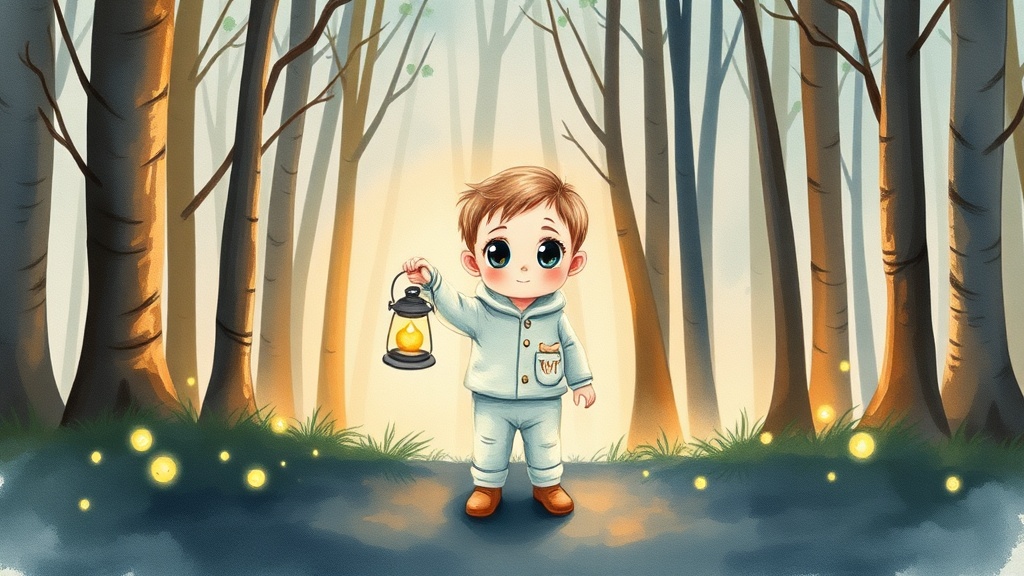
A bedtime story about courage for toddlers does more than entertain — it quietly teaches children that being scared and being brave can exist at the same time. Here's why brave-themed stories matter, and how to make the most of them at bedtime.
There's a particular kind of magic that happens when a small child hears a story about someone just like them — someone who felt a little bit scared, took a deep breath, and did the brave thing anyway. A bedtime story about courage for toddlers isn't just a lovely way to end the day. It's a gentle, powerful tool that helps young children make sense of their own fears, build emotional resilience, and drift off to sleep feeling just a little bit stronger. If you've ever wondered why brave-themed stories resonate so deeply with young children — or how to choose and use them well — this post is for you.
Why Courage Is Such an Important Theme for Young Children
For toddlers and young children, the world is enormous and often unpredictable. Starting nursery, meeting new people, sleeping in the dark, trying a new food, watching a parent leave the room — these are all acts of courage for a small person, even if they seem trivial to adult eyes.
Children between the ages of two and five are also at a stage of development where their imaginations are flourishing, but their ability to reason through fear is still very limited. They feel things intensely, and they don't yet have the language or cognitive tools to talk themselves out of worry the way adults can.
This is exactly where stories come in. When a child hears a character facing something scary — a dark forest, a big first day, a thunderstorm — and then watches that character find the courage to keep going, something clicks. They internalise the message not as a lecture, but as an experience. Oh. Being scared doesn't mean I have to stop. I can be scared and still be brave.
That's a lesson that takes many adults years to learn. A well-told story can plant the seed of it at bedtime.
What Makes a Good Bedtime Story About Courage for Toddlers
Not all brave-themed stories are created equal, especially when it comes to very young children. Here's what to look for:
The fear should feel real, not silly. If a toddler is afraid of the dark, a story where the character bravely faces a shadowy bedroom will land far more powerfully than one about slaying dragons. Relatability is everything at this age.
The courage should be small and achievable. Stories where a tiny mouse speaks up, where a nervous child takes one step forward, or where a little one asks for help — these feel possible. Grand heroic acts can feel exciting, but they're harder for a two or three-year-old to map onto their own life.
There should be warmth and safety at the end. Bedtime isn't the time for unresolved tension. A good courage story for young children ends with the character feeling proud, comforted, or celebrated — not still in danger. The emotional arc should move toward calm and security.
The language should be soothing. Even a story about bravery should be told in a gentle, rhythmic way at bedtime. Look for books or stories with flowing sentences, soft imagery, and a pace that naturally slows the body and mind down.
How to Read Courage Stories in a Way That Really Sticks
Reading the words is just the beginning. How you read a story matters enormously, and a few small habits can make brave-themed stories far more impactful.
Pause and connect. When the character in the story feels scared, pause and ask softly: "Have you ever felt like that?" You're not looking for a long conversation — just a nod, a "yes", or even silence is enough. That tiny moment of connection tells your child: this story is about you too.
Name the emotion out loud. "She felt really scared, didn't she? And she still kept going. That's what brave means — doing something even when you feel scared." Narrating emotional moments helps children build their emotional vocabulary, which is a genuine developmental skill.
Revisit the story when courage is needed in real life. If your child is nervous about something the next day — a new class, a doctor's appointment — a gentle "Remember what [story character] did when they felt scared?" can be surprisingly effective. Stories become internal scripts that children carry with them.
Let them choose. When children select a courage story themselves, they're often doing so because it speaks to something they're working through. Trust that instinct, and don't push them to explain why they like it. Just read it.
Ages and Courage: Matching the Story to the Child
What feels brave changes significantly as children grow, and it's worth choosing stories that reflect where your child actually is.
Ages 2–3: At this age, the biggest fears tend to be separation, the dark, loud noises, and strangers. Stories about a small animal finding their way back to a parent, or a character who learns that the dark is actually safe, work beautifully. Keep stories very short — five to eight minutes is plenty.
Ages 4–5: Children this age are navigating social courage — joining in, making friends, speaking up. Stories about starting something new, being different, or finding your voice resonate strongly. They can also hold slightly longer, more layered narratives.
Ages 6–8: Children begin to grapple with more complex fears: failing, not being liked, getting things wrong. Stories about perseverance, standing up for others, and trying again after things go wrong are ideal. Characters who struggle — not just triumph — feel most authentic.
Ages 9–10: Older children often appreciate courage stories with real moral weight: stories about honesty when it's hard, kindness when it's unpopular, or facing a genuine challenge. They may also enjoy discussing the story afterwards, which makes for a wonderful pre-sleep wind-down ritual.
If you're looking for stories that grow with your child, Dreamtime creates a brand-new personalised bedtime story every night, tailored to your child's name, age, and interests — including themes like courage and bravery when that's what your child needs. Each story comes with watercolour illustrations and narration, so even the reading-aloud part is taken care of on those evenings when you're running on empty.
A Final Thought: You're Already Teaching Courage
Every time you sit beside your child at bedtime, open a story, and give them a few quiet minutes of connection before they sleep, you're doing something quietly remarkable. You're showing them that feelings — even the big, scary ones — are worth talking about. That the world is full of stories where people face hard things and come through. And that at the end of the day, they are safe, they are loved, and they are brave.
The best bedtime stories don't just help children sleep. They help children become. So tonight, pick a brave little story, dim the lights, and let the magic do its work.
Give your child a new story every night
Dreamtime creates personalised bedtime stories with beautiful illustrations, tailored to your child, every single night.
Start your free trial →