How to Choose the Right Bedtime Snack (And Which Foods Actually Help Kids Sleep)
Dreamtime
7 August 2026
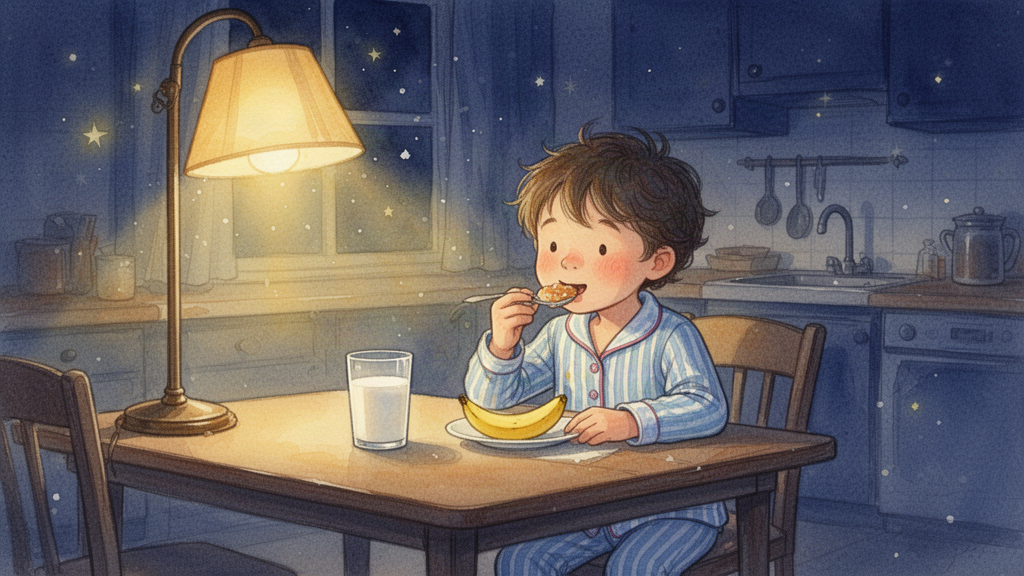
Not all bedtime snacks are created equal — some can actually work against a good night's sleep. Here's what the science says about food and sleep in young children, plus simple, sleep-friendly snack ideas parents can start using tonight.
If your child regularly asks for a snack right before bed, you're not alone — and it's not necessarily a stalling tactic. A rumbling tummy really can interfere with falling and staying asleep, especially in younger children who burn through energy fast and eat dinner hours before lights-out. But the type of snack matters enormously. The wrong choice can spike energy or blood sugar at exactly the wrong moment, while the right one can genuinely ease the way into a calmer, deeper sleep.
Why a Bedtime Snack Can Actually Help
Many parents assume snacking before bed is something to avoid altogether, but for young children this isn't quite right. Kids have smaller stomachs and faster metabolisms than adults, and if dinner was served at 5:30pm, a child going to bed at 7:30 or 8pm may genuinely be hungry by bedtime. Going to bed hungry can cause restlessness, early waking, or that frustrating "I need water/a snack/one more thing" loop that drags bedtime out.
A small, well-chosen snack 30–45 minutes before bed can:
- Prevent hunger-driven night waking
- Provide a calming, predictable step in the bedtime routine
- Support the production of sleep-friendly hormones like melatonin (more on this below)
The key word is small. This isn't a second dinner — it's a light bite that takes the edge off hunger without overloading digestion right before lying down.
Foods That Support Sleep
Certain nutrients genuinely support the body's sleep process, and a handful of everyday foods contain them:
Tryptophan-rich foods — Tryptophan is an amino acid that helps the body produce serotonin and melatonin, the hormones involved in regulating sleep. Milk, yoghurt, bananas, oats, and eggs all contain useful amounts.
Complex carbohydrates — Pairing tryptophan with a small amount of carbohydrate actually helps the body absorb it more effectively. This is part of why warm milk with a plain biscuit, or a small bowl of porridge, has been a bedtime staple for generations — there's real science behind the tradition.
Magnesium-containing foods — Magnesium supports muscle relaxation and nervous system calm. Good options include a small handful of pumpkin seeds, a few slices of banana, or a spoonful of nut butter (school-safe alternatives if needed) spread on wholegrain toast.
Calcium-rich foods — Calcium helps the brain use tryptophan, which is another reason dairy shows up so often in bedtime snack advice. A small glass of milk or a few cubes of cheese can help.
Good practical combinations for ages 2–10 include:
- Warm milk and a plain oat biscuit
- A small banana with a thin spread of nut or seed butter
- A few wholegrain crackers with cheese
- A small bowl of natural yoghurt with a spoon of oats
Foods and Drinks to Avoid Before Bed
Just as some foods help, others can work directly against a settled bedtime:
- Sugary snacks and desserts — Biscuits loaded with sugar, sweets, or chocolate can cause a short burst of energy right when you need the opposite.
- Caffeine — This one catches parents out. Chocolate, some flavoured milks, and certain fizzy drinks contain caffeine, which can affect sleep even in small amounts for young children.
- Very large or heavy portions — A big snack close to bedtime can cause discomfort and indigestion, making it harder to settle.
- High-sugar fruit juices — Even 100% fruit juice can cause a sugar spike; whole fruit is a better choice than juice at this time of day.
If your child tends to get a "second wind" of energy shortly after their evening snack, sugar is worth investigating as the culprit.
Building the Snack Into Your Routine
Bedtime works best as a predictable sequence of steps, and a snack can be a useful, calming anchor point rather than an afterthought that gets negotiated every night. Try placing it consistently in the same spot — for example, straight after bath time but before teeth brushing, so it doesn't undo the toothbrushing at the very end.
A simple, repeatable order might look like:
- Bath or wash-up
- Small sleep-friendly snack
- Teeth brushing
- Pyjamas and toilet
- Story and lights out
Keeping the snack itself boring and predictable (the same two or three simple options on rotation) also helps prevent it from becoming a new negotiation point — "can I have crisps instead," "can I have two biscuits," and so on. Offer a choice between two pre-approved, sleep-friendly options and let your child feel some control within those limits.
Where Storytime Fits In
Once the snack is done and teeth are brushed, the story portion of the routine is where a lot of the real winding-down happens — heart rate slows, the day's excitement fades, and the brain shifts into a calmer state. This is a good moment to keep things low-stimulation: a gentle, engaging story rather than screen time, which can undo all the good work the snack and routine just did.
This is one reason so many families like using something like Dreamtime, which creates a brand-new personalised story each night — featuring your child by name — with soft watercolour illustrations and calm narration. Because the story is tailored to your child's age and interests, it holds their attention without overstimulating them right before sleep, making it a natural, screen-light way to close out the routine.
A Gentle Reminder
There's no single "magic" bedtime snack that will transform sleep overnight, but small, thoughtful choices — a bit of dairy, a little complex carbohydrate, consistent timing, and a calm story to follow — add up over time. Pay attention to how your own child responds; some children do better with a snack, others don't need one at all. Trust what you observe, keep the routine consistent, and give any change a week or two before deciding whether it's working. Bedtime is rarely about one single fix — it's the small, steady habits that make the biggest difference.
Give your child a new story every night
Dreamtime creates personalised bedtime stories with beautiful illustrations, tailored to your child, every single night.
Start your free trial →