"But You Get to Stay Up!" How to Handle Bedtime FOMO When Your Child Thinks They're Missing Out
Dreamtime
20 October 2026
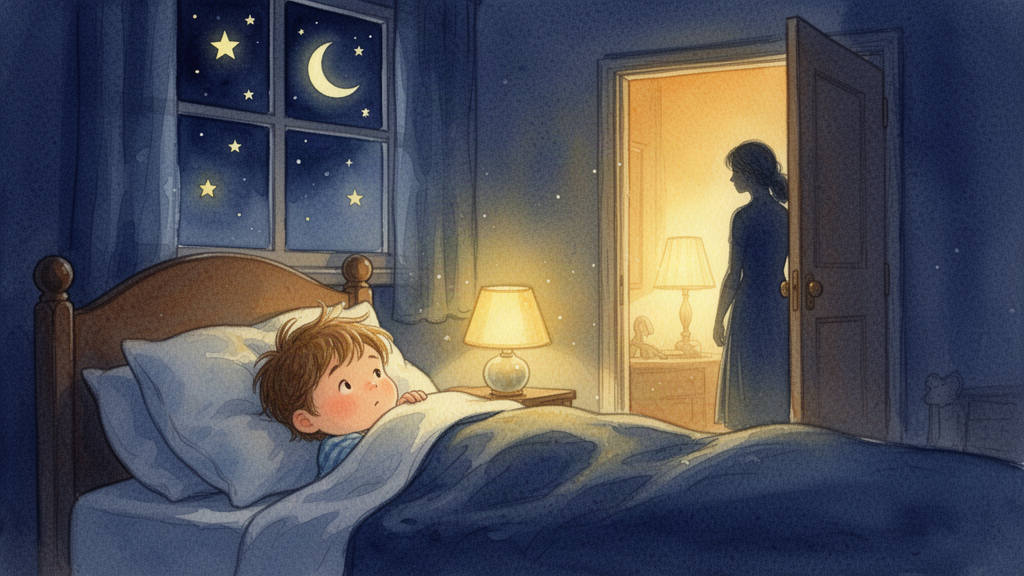
Does your child protest bedtime because they're convinced the fun starts the moment they leave the room? Bedtime FOMO is common in children aged 3 to 10, and it responds well to gentle, practical changes. Here's how to make going to bed feel like a gain rather than a loss.
"What are you going to do when I'm asleep?" "Are you watching telly without me?" "It's not fair, you get to stay up!"
If your child treats bedtime like a door slamming shut on all the good stuff, you're not alone. Fear of missing out (FOMO) isn't just a teenage thing. From around age three, many children start to notice that the household carries on without them after lights out, and they can feel genuinely left out, curious, or even a little suspicious. The good news is that bedtime FOMO is very manageable once you understand what's behind it.
Why Young Children Feel Like They're Missing Out
Children's days are full of connection, noise and activity. Bedtime is the one moment when they're separated from all of it, and they know you're still out there, awake, doing grown-up things. To a four-year-old, that can sound a lot like a secret party.
Several things feed this feeling:
- Growing awareness. Around ages three to five, children become much better at understanding that other people have their own experiences. They realise life continues without them.
- Big imaginations. Your quiet evening of folding laundry becomes, in their minds, a glamorous adventure involving biscuits and cartoons.
- Love of connection. Often "I'm missing out" really means "I'm going to miss you." The fear is about separation as much as about the fun.
- Sibling differences. If an older brother or sister goes to bed later, the unfairness feels very real.
Understanding this helps you respond with reassurance rather than frustration. Your child isn't being difficult. They're expressing a very human feeling in the only way they can.
Take the Mystery Out of the Evening
Children fill gaps with imagination, so give them facts. A simple, honest description of what happens after bedtime can work wonders.
Try saying: "After you're asleep, I'll tidy the kitchen, have a cup of tea, and watch something boring about gardens. Then I'll go to bed too." The more ordinary it sounds, the less appealing the secret party becomes.
You can even make it a little game. Ask your child to guess how dull your evening will be, and let them rate it out of ten. Laughing about how thrilling dishwasher-loading is can melt the tension surprisingly fast.
If your evening really is more fun than that (some nights it will be), you don't need to pretend otherwise. You can say, "Tonight we're having pizza, and you can have a special pizza picnic with me on Saturday." Which brings us to the next idea.
Give Them Something to Look Forward To
FOMO shrinks when children have something of their own to anticipate. Instead of bedtime being a loss, make it the doorway to tomorrow.
- Plan one small treat for the next day. It might be choosing the breakfast cereal, wearing a favourite top, or visiting the park. Mention it at bedtime: "When you wake up, it's pancake morning."
- Create a "special time" slot. A short, protected stretch of one-to-one attention before bed, such as ten minutes of cuddles, a game or a chat, tells your child they're not being sent away from the good part. They've already had it.
- Offer a weekend "stay up a little" ritual. If it fits your sleep plans, a very occasional slightly later bedtime for a family film can satisfy the curiosity. Just keep wake-up times steady, since lie-ins can unsettle the body clock.
Make Bedtime Itself the Good Part
If bedtime feels like a punishment, children will resist it. If it feels cosy, special and a bit magical, they start to see it as their time rather than time they're being excluded from the fun.
Think about what's uniquely lovely about the end of the day: soft lighting, snuggles, a favourite blanket, a story just for them. Lean into those. Let your child choose their pyjamas, pick the soft toy that will "keep watch," and decide which song or story comes next. Giving them genuine choices within a steady routine puts them back in control, which is often what FOMO is really asking for.
Storytime is especially powerful here. A story with your child at the centre says, "This is your adventure, and it's happening right now." Some families use a personalised app like Dreamtime, which creates a fresh story each night using the child's name, age and interests, with watercolour illustrations and narration. When a child hears their own adventure unfold at bedtime, they feel they're in the best place in the house, not the worst. Whether you use an app, a library book or a story you make up yourself, the aim is the same: make the end of the day feel like a treat.
Stay Consistent and Be Kind About the Feeling
Even with all of this in place, some evenings your child will still grumble. That's fine. You don't need to talk them out of the feeling. Try naming it instead:
"It's hard going to bed when you want to be with us. I get that. I'll see you first thing in the morning."
Then hold the boundary warmly. Children feel safer when the routine stays the same, even if they protest. A few things help:
- Keep bedtime and the pre-bed routine consistent from night to night.
- Avoid sneaking away or promising things you can't deliver, as this can make them more suspicious next time.
- Keep the room calm, with low lights and quiet voices, so the contrast with "the exciting living room" isn't so stark.
- If an older sibling stays up later, explain that bedtimes depend on how much sleep each body needs, and give the younger child a special job or perk of their own.
A Gentle Reminder
Bedtime FOMO is a sign of a child who loves being part of the family and wants to be close to you. With a little transparency, something to look forward to, and a bedtime that feels like a treat in its own right, that worry usually fades within a few weeks. Until then, a calm voice, a cuddle and a promise of tomorrow's adventure go a very long way. Sweet dreams to you both.
Give your child a new story every night
Dreamtime creates personalised bedtime stories with beautiful illustrations, tailored to your child, every single night.
Start your free trial →