How to Handle Bedtime When Your Child Refuses to Wear Pyjamas (Or Any Particular Item of Clothing)
Dreamtime
12 August 2026
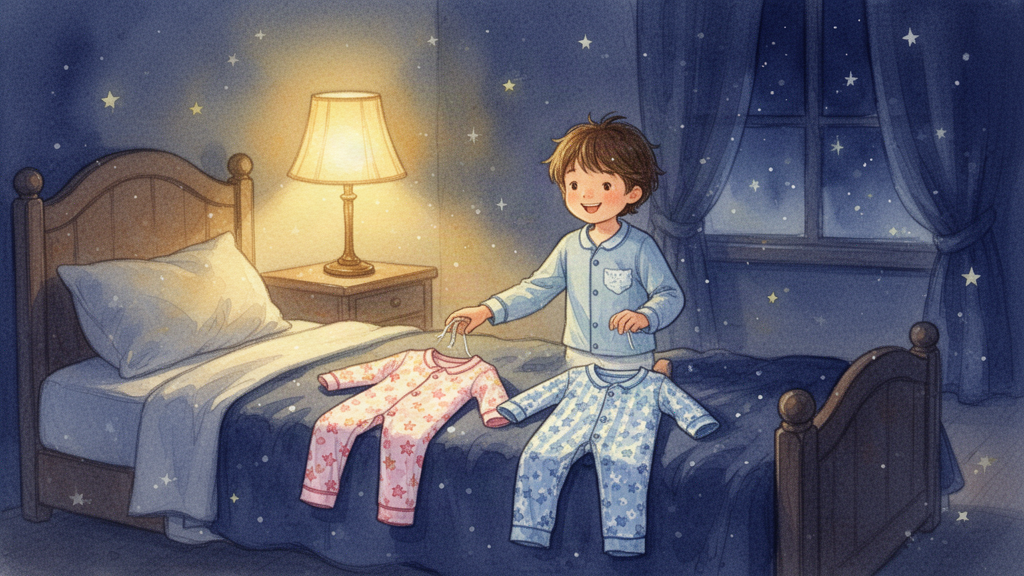
When bedtime turns into a wardrobe negotiation every single night, it's rarely about the pyjamas. Here's why clothing battles happen at bedtime and practical ways to defuse them without a fight.
It's 7pm, you're holding a perfectly innocent pair of pyjamas, and your child has just gone rigid with the kind of outrage usually reserved for major injustices. Maybe they refuse anything with a tag. Maybe they insist on wearing the same threadbare dinosaur top three nights running. Maybe they want to sleep in their school uniform, or nothing at all. If bedtime in your house has quietly turned into a nightly negotiation over what goes on your child's body, you are far from alone — and there's usually more going on than stubbornness.
Why Clothing Becomes a Bedtime Battleground
Bedtime is one of the last moments of the day when a child has any say over anything. They've been told when to eat, when to stop playing, when to brush teeth, and when to get in the bath. Choosing (or refusing) what to wear is often the one decision left that feels entirely theirs. Digging in over pyjamas can simply be a bid for control at the end of a day where they've had very little of it.
For other children, it's genuinely sensory. Seams, tags, tight cuffs, certain fabrics, or even the temperature of freshly washed clothes can feel uncomfortable or overwhelming, especially when a child is tired and their nervous system is already running low on patience. What looks like defiance is sometimes a very real physical complaint that they don't yet have the words to explain clearly — so it comes out as "I hate it" or a flat refusal to get dressed at all.
And then there's simple attachment. A favourite outfit can feel like a security object, something familiar and comforting to wear into the vulnerable, quiet hours of sleep. Insisting on the same top every night isn't usually about the top — it's about wanting something predictable when everything else (the day, the dark, the separation from you) feels a little uncertain.
Look for the Pattern Before You Look for a Solution
Before reaching for a fix, spend a few nights simply noticing what's happening. Ask yourself:
- Does the refusal happen with specific fabrics, brands, or features (tags, seams, tightness)?
- Does it happen more on days when your child is overtired, overstimulated, or has had a lot of transitions?
- Is it about a specific item, or literally anything you suggest?
- Does it ease if you offer choices rather than instructions?
If it's sensory, you're looking at solving a comfort problem. If it's control, you're looking at solving an autonomy problem. If it's attachment, you're looking at solving a security problem. They call for slightly different approaches, so a few nights of quiet detective work will save you a lot of frustration.
Practical Strategies That Actually Help
Offer a curated choice, not an open question. "What do you want to wear?" invites an argument. "Do you want the star pyjamas or the dinosaur ones?" gives your child real control within boundaries you've already set. Lay both options out earlier in the evening so the decision isn't happening in the stressful final stretch before bed.
Do a "tag and seam audit." If you suspect a sensory issue, go through the pyjama drawer and cut out tags, turn items inside out to check seams, and prioritise soft, well-worn fabrics over stiff new ones. Some children do better in slightly looser fits; others prefer snug, compression-style sleepwear that feels grounding rather than restrictive.
Let a favourite item go into rotation, not retirement. If your child is attached to one specific top, buy a couple of identical or near-identical backups so you're never stuck mid-meltdown with a garment in the wash. Attachment items don't need to be phased out abruptly — most children loosen their grip naturally over time if it isn't turned into a fight.
Move the decision earlier in the routine. Choosing pyjamas right at the point of getting into bed is often the worst possible timing — everyone's tired and the clock is ticking. Build "choosing pyjamas" into the bath or dinner part of the evening instead, well before the pressure of lights-out sets in.
Give a genuine reason to say yes. Some children respond well to a small incentive that isn't a bribe so much as a reframe: "Once you're in pyjamas, we get to pick tonight's story." This is where a wind-down ritual can do a lot of heavy lifting — if getting dressed is the gateway to something they love, the clothing itself becomes far less of a battleground. Many parents find that pairing the routine with something predictable and exciting, like a personalised story on the Dreamtime app that features their child by name, gives the whole sequence a positive pull rather than feeling like one more instruction to resist.
Pick your battles on the actual clothing. If your five-year-old wants to sleep in a superhero cape over their pyjamas, or odd socks, ask yourself whether it actually matters. Comfort and safety are non-negotiable; personal expression usually isn't. Letting the small, harmless quirks go gives you more authority when something genuinely does need to be addressed, like weather-appropriate sleepwear or a seam that's causing real distress.
When to Dig a Little Deeper
Occasional fussiness over pyjamas is developmentally normal, especially in toddlers and preschoolers testing boundaries. But if clothing refusal is intense, happens across many contexts (not just bedtime), and is accompanied by strong reactions to other textures, sounds, or sensations, it may be worth mentioning to your GP or health visitor, as it can sometimes point to broader sensory processing differences worth understanding better.
A Gentler Bedtime Is Possible
Pyjama battles rarely last forever, even when they feel endless in the moment. Most children grow out of the rigidity as they gain more control elsewhere in their lives, or simply settle on their sensory preferences and stop fighting about them. In the meantime, a little detective work, a touch more autonomy, and a calm, predictable routine around the moment of getting dressed can turn one of the most dreaded parts of the evening into a non-event — leaving everyone with more patience for the cuddles and stories that come next.
Give your child a new story every night
Dreamtime creates personalised bedtime stories with beautiful illustrations, tailored to your child, every single night.
Start your free trial →