How to Help Your Child Stop Snacking on Bedtime Stalling Tactics: The Bathroom Break Loop
Dreamtime
29 August 2026
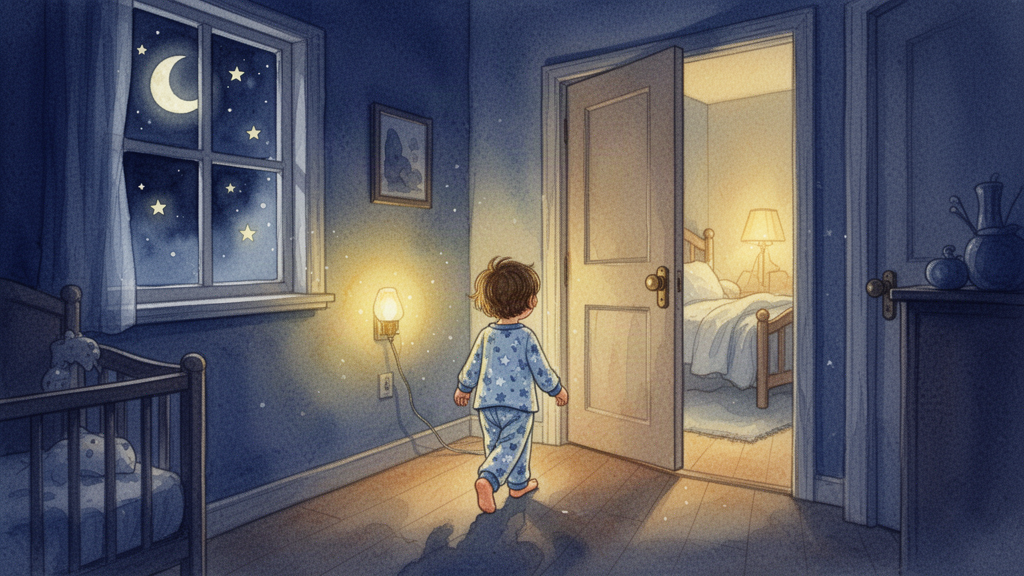
When "I need the toilet" turns into five trips a night, it's rarely about your child's bladder. Here's why the bathroom break loop happens and how to close it with a routine that respects real needs while ending the game.
You've done the story, the teeth, the tuck-in. You're halfway down the hallway when you hear it: "I need a wee." Fine, that's fair. Ten minutes later, another trip. Then another. By the third or fourth visit, you're no longer sure if your child has an unusually small bladder or has simply discovered the perfect loophole: a request no reasonable parent can refuse.
This is the bathroom break loop, and it's one of the most common (and maddening) bedtime stalling tactics out there. The good news is that once you understand what's actually driving it, you can respond in a way that meets genuine needs without turning your child's bedroom into a revolving door.
Why the Bathroom Break Loop Happens
First, the boring but important bit: sometimes it really is physical. Young children have smaller bladders, and if they've had a big drink close to bedtime, an extra trip or two isn't manipulation, it's biology. Constipation, urinary tract discomfort, or even excitement and anxiety can also genuinely increase the urge to go.
But when the "one more wee" becomes a nightly pattern with three, four, or five trips, something else is usually going on. Bedtime, for a lot of children, means separation. It means the fun of the day is over and they're being asked to lie still in a quiet room, alone, with their thoughts. The bathroom is a brilliant stalling tool because it's socially acceptable, hard to say no to, and gets them a few more minutes of your attention, a walk down the hallway, and a delay of the inevitable: being alone in the dark.
Understanding this reframes the whole problem. It's not defiance, it's usually a mix of habit, mild anxiety about being alone, and the simple fact that stalling works.
Set Your Child Up to Actually Not Need to Go
Before you deal with the behaviour, close the physical loopholes so you're dealing with a cleaner problem.
- Time drinks earlier. Offer the last full drink 45–60 minutes before bed, then just small sips if needed with brushing teeth.
- Make the toilet trip part of the routine, not after it. Build "wee and wash hands" into the sequence right before the final story, so it's already been done and done recently.
- Do a "just try" visit even if they say they don't need to go. This removes the "but I might need one later" argument before it starts.
Once the toilet trip is baked into the routine itself, rather than something that happens after lights are out, you remove a lot of the natural opportunity for the loop to start.
Create a Clear, Kind "One and Done" Rule
Children thrive on predictability, even when they protest it. Try setting an explicit, calmly stated rule during the day, not in the heat of the moment at 7pm.
Something like: "We do wee and teeth before our story. After that, the bathroom is closed until morning, unless it's a real emergency." Say it kindly, say it in advance, and say it consistently. The key word is consistency. If the rule bends every third night because you're tired, your child will (very reasonably) keep testing it, because sometimes it works.
If they call out for another trip after lights out, you can acknowledge the request without immediately granting it: "I hear you, but we already went. It's sleep time now." A calm, boring, unchanging response is far more effective than negotiation, because negotiation is exactly the game they're hoping for.
Address the Real Need Behind the Stalling
If the bathroom loop is really about not wanting to be alone, no amount of toilet logic will fully solve it. You have to address the underlying feeling too.
Try building in a small, predictable dose of connection at the very end of the routine, something that happens every night no matter what, so your child doesn't have to invent a reason to get it. This could be:
- A two-minute chat about one nice thing from the day
- A specific goodnight phrase or handshake
- A short story that signals "this is the last thing, and then it's time to rest"
This is where a wind-down story genuinely earns its keep. A calm, personalised story, one where your child hears their own name and sees themselves gently drifting into the plot, can offer that last hit of connection and reassurance before lights out, so there's less emotional need to invent reasons to call you back in. Apps like Dreamtime, which generate a new story each night featuring your child by name, can make this final moment feel special enough that it satisfies the need for closeness without becoming another negotiable, endlessly extendable event.
When to Take a Closer Look
Most bathroom-break loops are behavioural and respond well to routine changes within a week or two. But keep an eye out for signs it might be worth a chat with your GP:
- Pain, burning, or discomfort when going
- Sudden, dramatic increase in frequency alongside excessive thirst
- Bedwetting returning after a long dry spell
- Visible anxiety or distress, not just delay tactics
These aren't common, but ruling them out gives you peace of mind and confirms you're dealing with a habit rather than a health issue.
Bringing It All Together
The bathroom break loop is rarely about the bathroom. It's about bladders that are still learning, routines that leave room for negotiation, and a very natural, very human reluctance to be alone at the end of the day. The fix isn't to get stricter and stricter, it's to build a routine so clear and reassuring that there's simply nothing left to stall for.
Give it a couple of weeks of calm consistency, and don't be discouraged if the first few nights involve some protest, that's completely normal as old habits fade. Your child isn't trying to outsmart you (even if it feels that way at 8:47pm). They're just looking for one more moment of comfort before the lights go out, and once they know that moment is coming every single night, they'll stop needing to ask for it in disguise.
Give your child a new story every night
Dreamtime creates personalised bedtime stories with beautiful illustrations, tailored to your child, every single night.
Start your free trial →